Synapse Physiotherapy | Physio Center | Rehab Malaysia
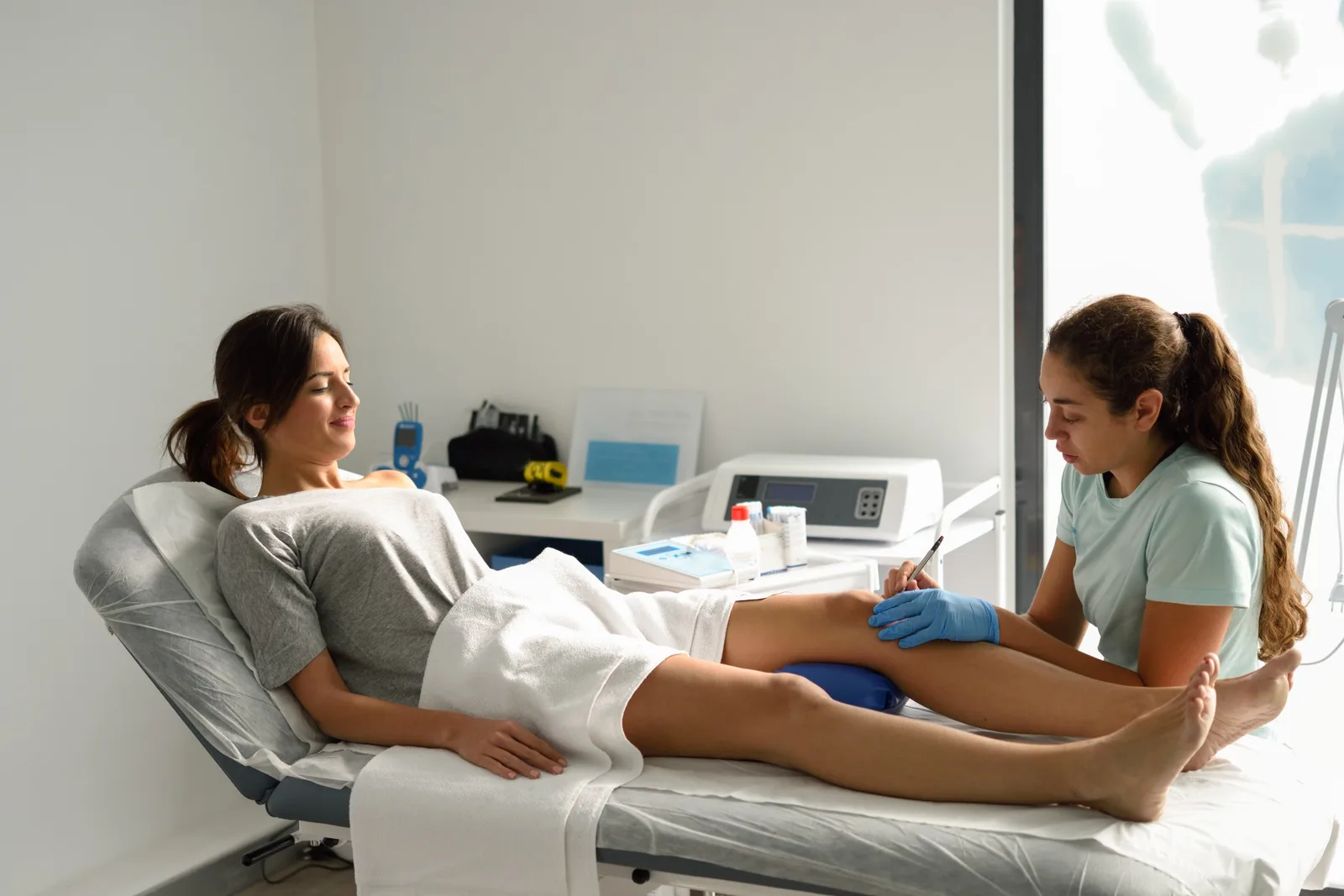
Muscle tightness, soreness, and recurring aches can affect anyone, from office workers who sit for long hours to athletes who train regularly. Whether you have neck stiffness after desk work, shoulder discomfort after weightlifting, or sore muscles after a long run, finding the right treatment helps you manage symptoms and return to daily activities.
Dry needling and sports massage are two common options for muscle-related discomfort. Both may help relieve certain symptoms, but they differ in how they are performed, the tissues they target, and their potential benefits. If you are searching for dry needling near me, understanding these differences helps you make a more informed decision.
Dry needling involves inserting thin, solid needles into selected areas of muscle or other soft tissues. Unlike injections, it does not involve injecting medication. A trained practitioner chooses treatment areas based on your symptoms and physical assessment.
It may be considered for:
Some patients feel a brief muscle twitch, pressure, or aching during treatment, while others feel very little. Research suggests dry needling may give short-term improvements in pain and function for certain conditions, but benefits vary between individuals. It is not a guaranteed solution or a replacement for a comprehensive rehabilitation programme.
Sports massage is a hands-on treatment that uses gliding strokes, kneading, and controlled pressure on muscles and surrounding soft tissues. Despite its name, it is not limited to athletes. It may also help people with soreness from exercise, repetitive movements, physically demanding work, or prolonged sitting.
People commonly seek sports massage to relieve muscle tightness, manage post-exercise soreness, improve flexibility, and relax after strenuous activity. Your therapist adjusts the pressure to your comfort, and treatment should not require you to tolerate excessive pain. Sports massage may help with short-term soreness and flexibility, but it does not automatically prevent injuries or guarantee better performance.
Both treatments may help manage musculoskeletal symptoms, but they differ in several ways:
Neither technique is universally superior. The right option depends on your condition, goals, and response to previous treatment.
The choice depends on the cause of your symptoms and your physical assessment findings.
Dry needling may be considered when specific areas of muscle tenderness appear to contribute to pain or limited movement. Someone with persistent neck and shoulder discomfort, for example, may have sensitive muscle areas that make turning the head uncomfortable. A physiotherapist may use dry needling as one part of treatment alongside exercise. However, not all tightness needs needling, as joint conditions, tendon problems, or nerve irritation can cause similar symptoms.
Sports massage may suit general soreness or tightness across a broader area. A runner with calf soreness after increasing distance, or a desk worker with upper-back tension, may find temporary relief. Persistent or worsening pain should not automatically be blamed on muscle tightness, and further assessment may be needed.
In some cases, both may be part of a physiotherapy programme, with symptom management before progressing to strengthening and functional rehabilitation. Combining them is not always necessary, and your plan should follow your assessment rather than the number of techniques used.
When searching for dry needling near me, choosing a qualified practitioner matters as much as a convenient location. Consider these five factors before booking.
Serious complications are uncommon, but risks include infection, bleeding, and injury to underlying structures. Needling around the chest and upper back can rarely cause a collapsed lung. A survey of licensed physiotherapists on dry needling found that minor effects like soreness were most common, while serious events were rarely reported.
Neither dry needling near me nor sports massage automatically resolves the cause of recurring pain. At Synapse, physiotherapy takes a broader approach by assessing muscle strength, joint mobility, movement patterns, and activity levels. If your shoulder discomfort keeps returning after massage, your physiotherapist can check whether weakness, training intensity, or movement restrictions are involved.
Your programme may include therapeutic exercises, progressive strengthening, mobility training, manual therapy, and activity advice. You can explore the dry needling and physiotherapy services offered at Synapse.
They both use thin needles, but dry needling is used by trained practitioners to target muscle and soft tissue based on a physical assessment. Ask your practitioner to explain their approach.
Some people feel a brief prick, pressure, or muscle twitch, while others feel very little.
No. It can help anyone with muscle soreness from exercise, repetitive movements, or prolonged sitting.
Tell your practitioner about any medication that affects clotting first, as it may change whether dry needling is appropriate.
Not on its own. Benefits vary, and long-term improvement often needs exercise and rehabilitation.
Dry needling uses fine needles to target selected tissue areas, while sports massage applies hands-on techniques to muscles and soft tissues. Neither is the best choice for everyone. If you are looking for dry needling near me, book a consultation with Synapse so a physiotherapist can assess your condition and explain the most suitable options.
Tags :






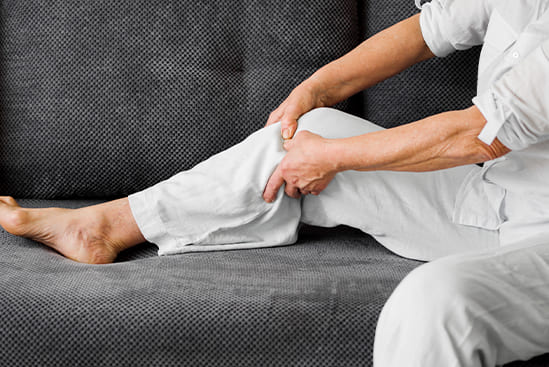
Joint degeneration and inflammation happens as the human body grows older, but that does not mean our way of life degenerates as well. Relief your joint pains with a joint effort together with your physiotherapist, who will provide pain-relief treatments and prescribe exercises for your wellbeing.

Common conditions in the older age population include hips & knee pain, back & neck pain, osteoarthritis, rheumatism, fear of falling and many more. Aging and degeneration of bodily function is inevitable, but here at Synapse, we will help you live the best of your life.