Synapse Physiotherapy | Physio Center | Rehab Malaysia

A slip disc, also known as a herniated or prolapsed disc, happens when material inside an intervertebral disc pushes through its outer layer. It may cause lower back pain, stiffness, and sometimes pain, numbness, or tingling that travels into the buttocks and legs. Symptoms depend on the affected disc and whether nearby nerves are irritated.
Exercise is often part of recovery, but choosing the right movements matters. Physiotherapy for slip disc care focuses on assessing your symptoms, identifying movement limitations, and building a rehabilitation programme around your condition. Rather than avoiding all movement, the goal is to modify aggravating activities and progress gradually under a qualified physiotherapist.
The spine is designed to move, but when a disc-related condition causes pain or nerve irritation, some movements and loads may temporarily increase symptoms. Repeated bending, combined bending and twisting, or heavy lifting can aggravate symptoms in some people, and high-impact activities may be uncomfortable when the back is sensitive.
There is no single exercise list that suits every slip disc. The response depends on symptom severity, the affected spinal level, neurological findings, physical capacity, and recovery stage. At Synapse, physiotherapy for slip disc starts with an assessment of these factors before any progression.
Loaded lifting places substantial demands on the spine, and heavy resistance or poor load management may increase discomfort in a sensitive lower back. This does not mean deadlifts are permanently unsuitable, as progressed resistance training may later become part of rehabilitation.
Do this instead: lighter, symptom-tolerated movements such as hip-hinge practice or controlled sit-to-stand exercises under professional guidance.
Sit-ups involve repeated trunk flexion, which can reproduce back pain or leg symptoms in some people. Flexion is not automatically harmful for everyone, so the key question is whether the movement suits your current symptoms.
Do this instead: gentle abdominal bracing or modified trunk-stabilisation exercises recommended after assessment.
Standing toe touches put the spine into substantial flexion, especially with straight knees or prolonged end-range positions. If you have radiating leg pain or tingling, forcing the stretch may increase discomfort rather than improve mobility.
Do this instead: avoid stretching through pain, and try gentle mobility exercises or alternative hamstring stretches if your physiotherapist advises.
Squats are useful, but heavy barbell or very deep squats beyond your tolerance may aggravate symptoms. The problem is not squatting itself, but excessive resistance, fatigue, and poor movement control during a painful period.
Do this instead: supported squats, sit-to-stand exercises, or partial-range movements, increasing depth and resistance as tolerated.
Box jumps and plyometric training involve rapid loading and need good strength and landing control. When symptoms are active, continuing them may interfere with recovery.
Do this instead: comfortable walking or stationary cycling, depending on your symptom response and your physiotherapist’s advice.
Loaded trunk rotation combined with forward bending, such as heavy rotational cable exercises or lifting while turning, can challenge an irritable lower back. These movements are not universally dangerous, and rotation can be reintroduced when appropriate.
Do this instead: start with controlled movements and turn your whole body when lifting or carrying objects.
Mild effort or temporary discomfort does not always mean injury, but worsening or spreading symptoms need attention. Stop and consult your physiotherapist if you notice:
Seek emergency medical attention if you develop new loss of bladder or bowel control, difficulty passing urine, numbness around the groin or saddle region, or rapidly worsening leg weakness. These may indicate a serious spinal nerve problem. The NHS slipped disc guidance also lists the symptoms that need urgent help. Do not try to manage these warning signs through exercise alone.
Once your condition has been assessed, a physiotherapist can recommend exercises that match your symptoms and goals. Rehabilitation may include:
Exercise selection should be individualised, especially when leg pain, numbness, or weakness is present.
Physiotherapy for slip disc recovery provides a structured way to manage symptoms, restore movement, and rebuild physical capacity. Your physiotherapist may examine spinal mobility, muscle strength, sensation, and reflexes. The plan may then include therapeutic exercises, education, activity modification, and manual therapy where appropriate, with regular reviews to adjust intensity. You can explore the physiotherapy treatment for slip disc available at Synapse.
The objective is not to avoid exercises forever, but to help you return to appropriate activities safely and with greater confidence in movement.
Not necessarily. A slip disc does not mean you must stop exercising, but some movements may need modifying until physiotherapy for slip disc assessment is complete.
No. They may be reintroduced gradually when your symptoms and capacity allow.
Short walks often help, provided symptoms remain manageable. Stop and seek advice if leg pain, numbness, or weakness worsens.
Not always. Your physiotherapist will decide after assessment whether further investigation is needed.
Pain that worsens or spreads down the leg, or new numbness or weakness, are signs to stop and seek advice.
A slip disc does not mean you must stop exercising, but heavy lifting, repeated bending, high-impact activity, and loaded twisting may need modifying while symptoms are active. If you have persistent back pain or symptoms extending into your leg, book a consultation with Synapse for an individualised assessment and a physiotherapy for slip disc plan that suits you.
Tags :



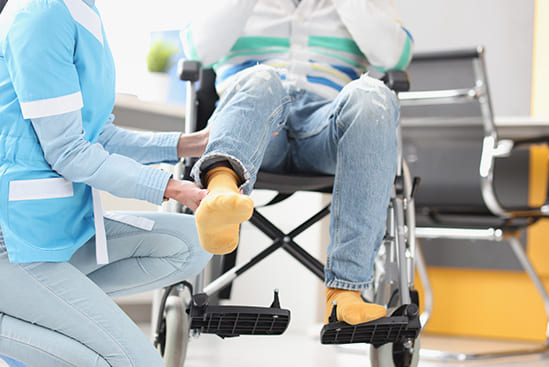


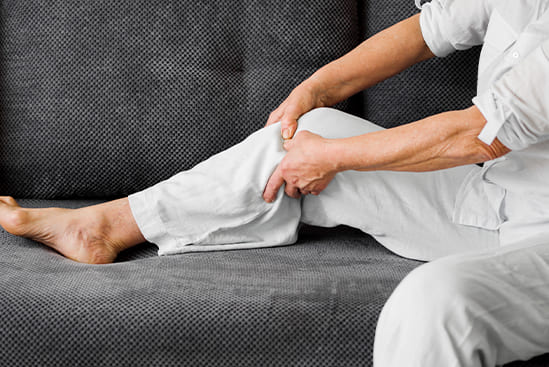
Joint degeneration and inflammation happens as the human body grows older, but that does not mean our way of life degenerates as well. Relief your joint pains with a joint effort together with your physiotherapist, who will provide pain-relief treatments and prescribe exercises for your wellbeing.

Common conditions in the older age population include hips & knee pain, back & neck pain, osteoarthritis, rheumatism, fear of falling and many more. Aging and degeneration of bodily function is inevitable, but here at Synapse, we will help you live the best of your life.