Synapse Physiotherapy | Physio Center | Rehab Malaysia
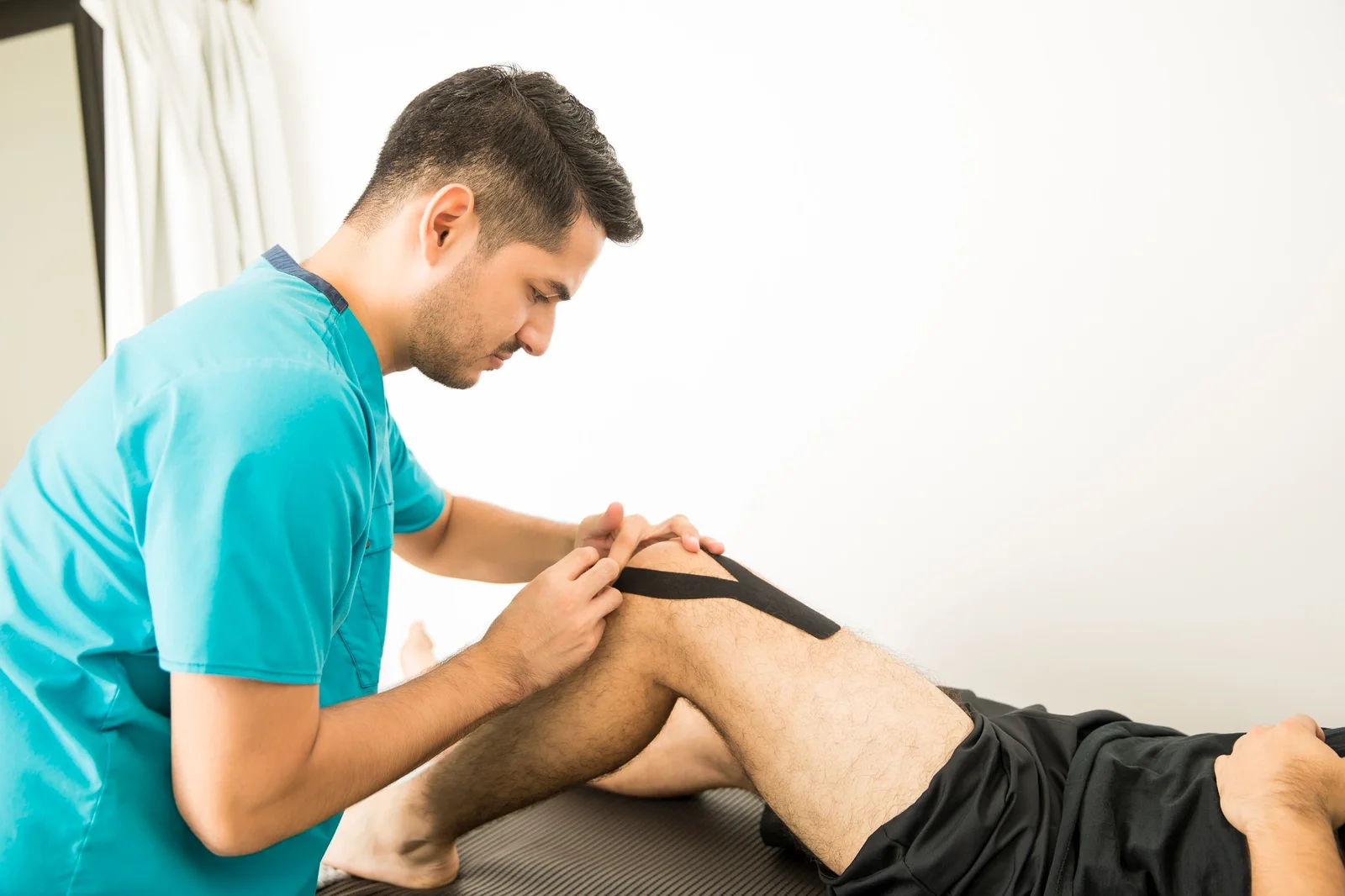
Whether you are a professional athlete, a regular gym-goer, or someone who enjoys weekend sports, an injury can disrupt your training and everyday life. Ankle sprains, muscle strains, knee pain, and shoulder injuries affect people of all fitness levels. Knowing what to expect at your first appointment can make recovery less stressful.
Visiting a sports injury clinic is an important step towards understanding your injury and returning to activity safely. Rather than simply treating the pain, a sports injury clinic aims to identify the factors behind your condition and build a rehabilitation plan around your needs.
Your first visit to a sports injury clinic usually begins with a consultation. Your physiotherapist or healthcare professional will ask about your injury, medical history, physical activities, and current symptoms. At Synapse Spine, this conversation shapes every step that follows.
You may be asked:
For example, a runner with knee pain may have developed symptoms gradually through changes in training distance or recovery time, while someone who twists an ankle playing badminton may have an acute ligament injury. Accurate answers help your therapist decide the next steps.
After the consultation, the clinic will assess the affected area. Depending on your injury, this may include several components.
Your therapist checks how well you can move the affected joint, since pain, swelling, or stiffness can limit movement. Strength testing shows whether weakness is affecting your control, which matters for athletes. After an ankle sprain, for instance, reduced calf strength or poor balance may limit running and jumping.
Specific tests may assess joint stability, ligaments, or tendons. Not every patient needs every test, and some may be modified if the injury is painful. Your therapist may also observe movements such as squatting, lunging, or balancing on one leg to identify functional limitations.
Once the assessment is complete, your therapist will explain the likely cause of your symptoms. A good sports injury clinic looks beyond where you feel pain to which structures may be involved and what could be contributing. Persistent Achilles tendon pain, for example, may relate to increased training load or insufficient recovery between sessions.
Not every injury can be definitively diagnosed at the first visit. Some conditions need further assessment, such as an X-ray or MRI. If your symptoms suggest a fracture or a significant ligament injury, the clinic may refer you to another medical professional. The NHS guidance on sprains and strains explains when to seek medical help.
Treatment may begin during your first appointment, depending on your findings and pain level. Common options at a sports injury clinic include:
You can explore the sports injury treatment in Mumbai available at Synapse Spine.
One of the main benefits of a sports injury clinic is a plan tailored to your condition, fitness level, and goals. An athlete recovering from a hamstring strain may progress through four stages:
Timelines vary with the severity of the injury, your healing, and your training demands. Your therapist may also give you a home exercise programme to follow between appointments.
The number of appointments depends on your injury, progress, and goals. A minor injury may improve with a short programme, while complex or post-operative cases may need longer. Your therapist may give an initial estimate, which can change as you are reassessed. Rather than counting sessions, watch whether your pain, strength, mobility, and function are improving.
A little preparation helps you get more from your appointment:
You do not need to be an athlete to benefit. The same principles help any active person recover from an exercise-related injury.
Requirements vary between clinics. It is best to check with the clinic when booking your appointment.
Not always. Imaging is recommended only when your symptoms and examination findings suggest it is needed.
It often can, depending on your injury and pain level. Your therapist will decide what is suitable after your assessment.
Not necessarily. Carefully adjusted activity can help maintain fitness while the injured area recovers.
No. Anyone with an exercise-related injury can benefit from assessment and rehabilitation.
Your first sports injury clinic visit is a chance to understand your injury, identify contributing factors, and set a clear direction for recovery. If you are experiencing persistent pain, reduced mobility, or difficulty returning to exercise, book a consultation with Synapse Spine and take the next step towards moving confidently again.
Tags :







Joint degeneration and inflammation happens as the human body grows older, but that does not mean our way of life degenerates as well. Relief your joint pains with a joint effort together with your physiotherapist, who will provide pain-relief treatments and prescribe exercises for your wellbeing.

Common conditions in the older age population include hips & knee pain, back & neck pain, osteoarthritis, rheumatism, fear of falling and many more. Aging and degeneration of bodily function is inevitable, but here at Synapse, we will help you live the best of your life.