Synapse Physiotherapy | Physio Center | Rehab Malaysia
Achilles tendon pain can make everyday activities such as walking, climbing stairs, running, and exercising uncomfortable. For people with persistent symptoms despite rest and exercise, shockwave therapy may be worth considering. This non-invasive treatment uses acoustic waves to deliver mechanical energy to the affected area, aiming to support the body’s natural healing and reduce pain.
Achilles tendon problems are common among runners, athletes, and active adults, but they can also affect people who are not particularly sporty. Understanding why Achilles tendon pain develops and how this treatment may help can make it easier to choose an appropriate approach, one of the specialised services offered through shockwave therapy at Synapse.
The Achilles tendon is a strong band of connective tissue that connects the calf muscles to the heel bone. It plays an important role in activities that require the ankle to push off the ground, including walking, running, jumping, and climbing stairs.
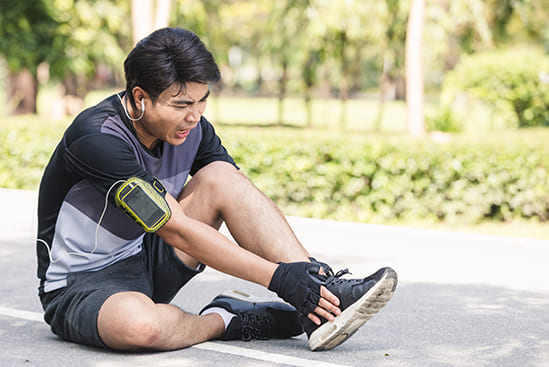
Achilles tendon pain can develop when the tendon is exposed to more load than it can comfortably tolerate. This may happen after:
Other factors can also contribute, including reduced calf strength, limited ankle mobility, poor load management, inappropriate footwear, and changes in training surfaces. Achilles tendinopathy, one of the more common causes of persistent Achilles pain, often develops gradually and may cause stiffness that is most noticeable during the first few steps in the morning or at the start of exercise.
This treatment uses specialised equipment to deliver acoustic pressure waves into the affected tissues, creating mechanical stimulation within the treatment area. Rather than simply masking pain, its purpose is to stimulate biological responses in the tendon and surrounding tissues, potentially influencing blood flow, cellular activity, tissue remodelling, and pain sensitivity.
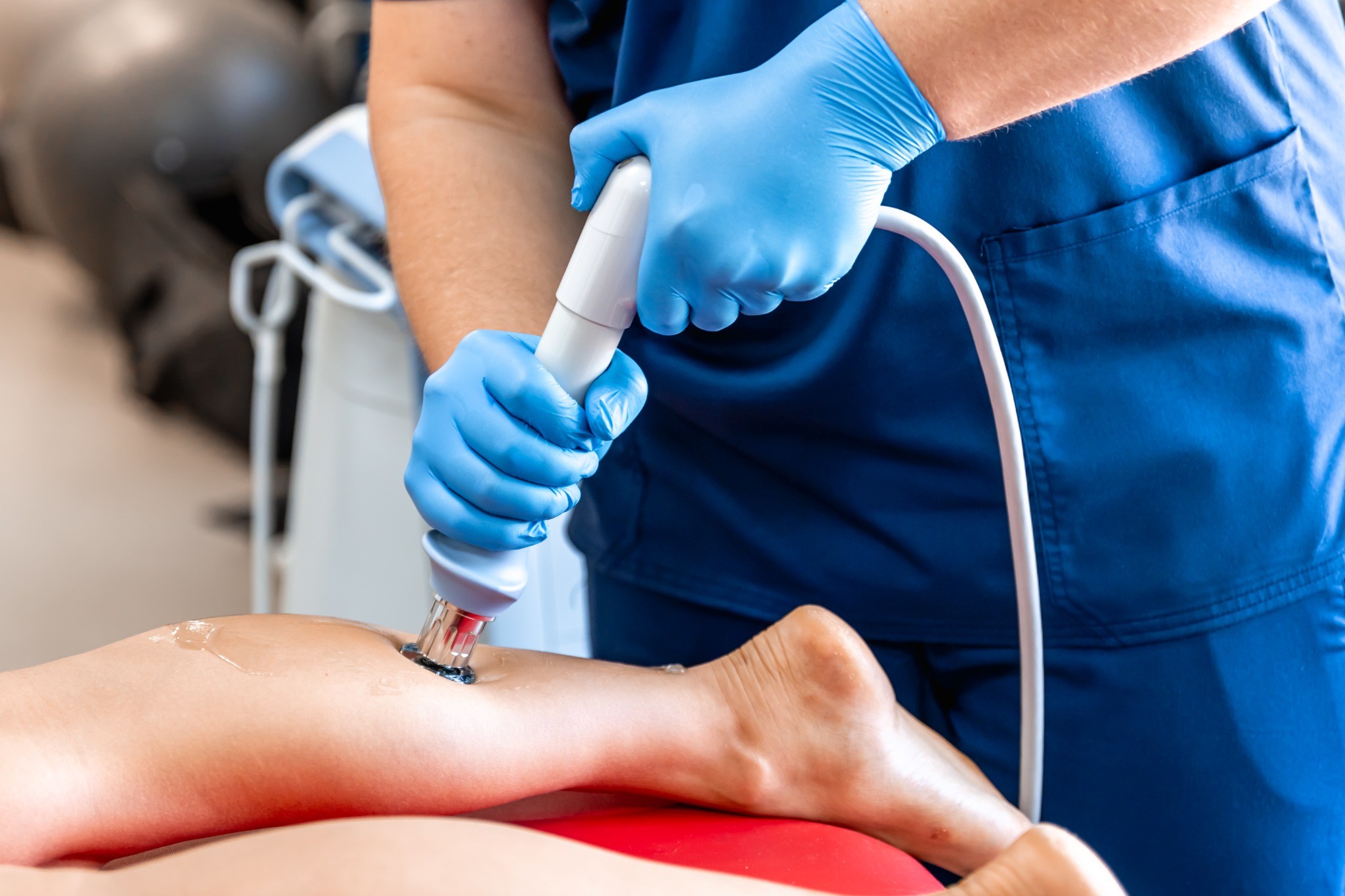
During treatment, a physiotherapist applies a handheld applicator to the painful area, with a layer of gel used to help transmit the waves effectively. Patients may experience tapping, pressure, or mild discomfort, though intensity can usually be adjusted to individual tolerance. A session is relatively short, with no need for anaesthesia or a prolonged recovery period.
Research suggests this treatment can be useful for some people with chronic Achilles tendinopathy, particularly when combined with an appropriate rehabilitation programme. According to NICE, the UK’s National Institute for Health and Care Excellence, evidence shows extracorporeal shockwave therapy can significantly improve pain and functional outcomes for Achilles tendinopathy compared with conservative treatment alone.
One advantage is that it provides a treatment stimulus to an area that may have remained painful despite conventional management. However, it should not be viewed as a quick fix, since tendons adapt relatively slowly to changes in load, meaning successful rehabilitation usually requires time and consistent participation. The best results often come from combining it with progressive strengthening and appropriate activity modification.
Before treatment begins, a physiotherapist should assess the Achilles tendon and determine whether this option is appropriate. This assessment may include questions about:
The physiotherapist may also assess calf strength, ankle movement, and walking or running mechanics. During treatment, the applicator is placed over the affected area while the therapist gradually delivers the waves and monitors the patient’s response. Some discomfort is possible, but treatment should remain tolerable, and any soreness afterwards is similar to the feeling after exercise.
Although this treatment can be helpful, exercise remains an important part of Achilles tendon rehabilitation. The tendon needs to become capable of handling the demands placed on it, and progressive loading exercises can help improve the strength and capacity of the calf muscles and tendon.
A physiotherapist may initially prescribe exercises such as calf raises before gradually progressing toward more demanding movements, potentially including hopping, jumping, running drills, or sport-specific work through sport physiotherapy. The exact programme should be tailored to the individual, since someone returning to recreational running may need a different plan from someone whose primary goal is simply to walk comfortably. It can therefore be considered one component of a broader treatment plan rather than a replacement for rehabilitation.
The number of sessions varies between individuals. Treatment programmes commonly involve several sessions spaced over a number of weeks rather than a single appointment. Frequency and intensity depend on the duration of symptoms, severity of the condition, irritability of the tendon, and response to treatment.
Improvement may not happen immediately. Some people notice changes relatively early, while others require several weeks before experiencing meaningful improvement. Because tendon adaptation takes time, progress should be assessed alongside changes in strength, function, and activity tolerance rather than pain alone.
This treatment is not appropriate for every person with Achilles pain, and a proper assessment is important before beginning treatment. A physiotherapist can determine whether symptoms are consistent with Achilles tendinopathy or whether another condition, covered under Synapse’s conditions treated, could be responsible. This is particularly important when there has been a sudden injury, significant swelling, weakness, or difficulty pushing off with the affected foot.
Certain medical conditions and circumstances may also require additional precautions or make it unsuitable, so treatment should always be provided by a suitably trained healthcare professional following an appropriate assessment.
This treatment is only one possible option. Depending on the individual, rehabilitation may include strengthening exercises, activity modification, mobility work, tendon-loading education, footwear advice, and a gradual return to sport.
Managing training load is particularly important. Completely stopping activity may not always be necessary, but temporarily reducing activities that significantly aggravate symptoms can give the tendon time to settle before a gradual return to running or sport helps rebuild its capacity.
Some tapping, pressure, or mild discomfort is common during treatment, but intensity is adjusted to stay within a tolerable range.
Some people notice improvement within a few sessions, while others need several weeks, since tendons adapt gradually to treatment and exercise.
No. It works best as part of a broader plan that includes progressive strengthening and activity modification, not as a standalone treatment.
Not always. A proper assessment is needed first, since certain conditions and injury types may make it unsuitable.
This varies by individual, but treatment commonly involves several sessions spread over a number of weeks depending on symptom severity and response.
Achilles tendon pain can be frustrating, especially when symptoms persist and interfere with exercise or everyday movement. This treatment may offer a useful non-invasive option for people with certain types of persistent Achilles tendinopathy, though its greatest value is often seen when it forms part of a comprehensive rehabilitation programme.
Progressive strengthening, appropriate activity modification, and a gradual return to normal activities remain important for improving tendon capacity and reducing the risk of recurring symptoms. Book an appointment with Synapse to find out whether this treatment is right for your recovery.
Tags :



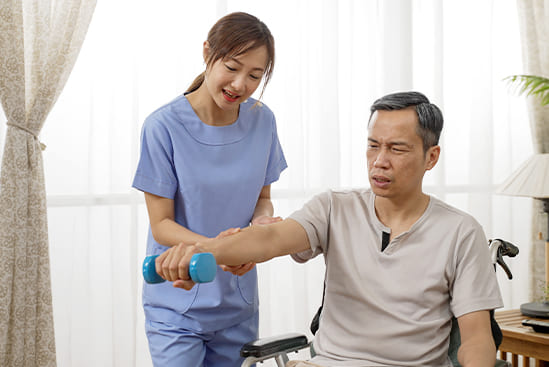
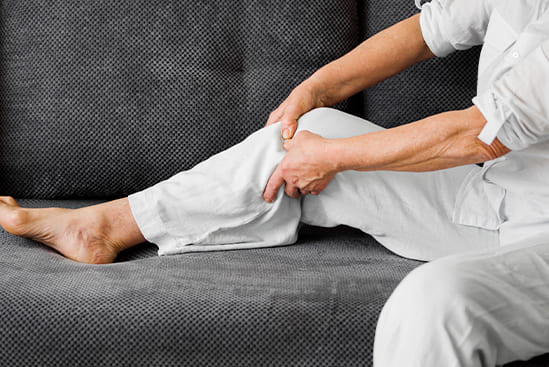
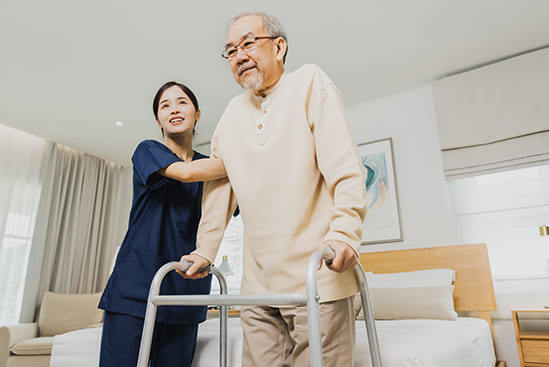
Joint degeneration and inflammation happens as the human body grows older, but that does not mean our way of life degenerates as well. Relief your joint pains with a joint effort together with your physiotherapist, who will provide pain-relief treatments and prescribe exercises for your wellbeing.
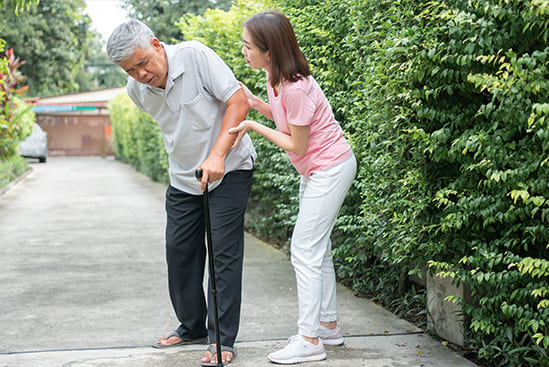
Common conditions in the older age population include hips & knee pain, back & neck pain, osteoarthritis, rheumatism, fear of falling and many more. Aging and degeneration of bodily function is inevitable, but here at Synapse, we will help you live the best of your life.