Synapse Physiotherapy | Physio Center | Rehab Malaysia
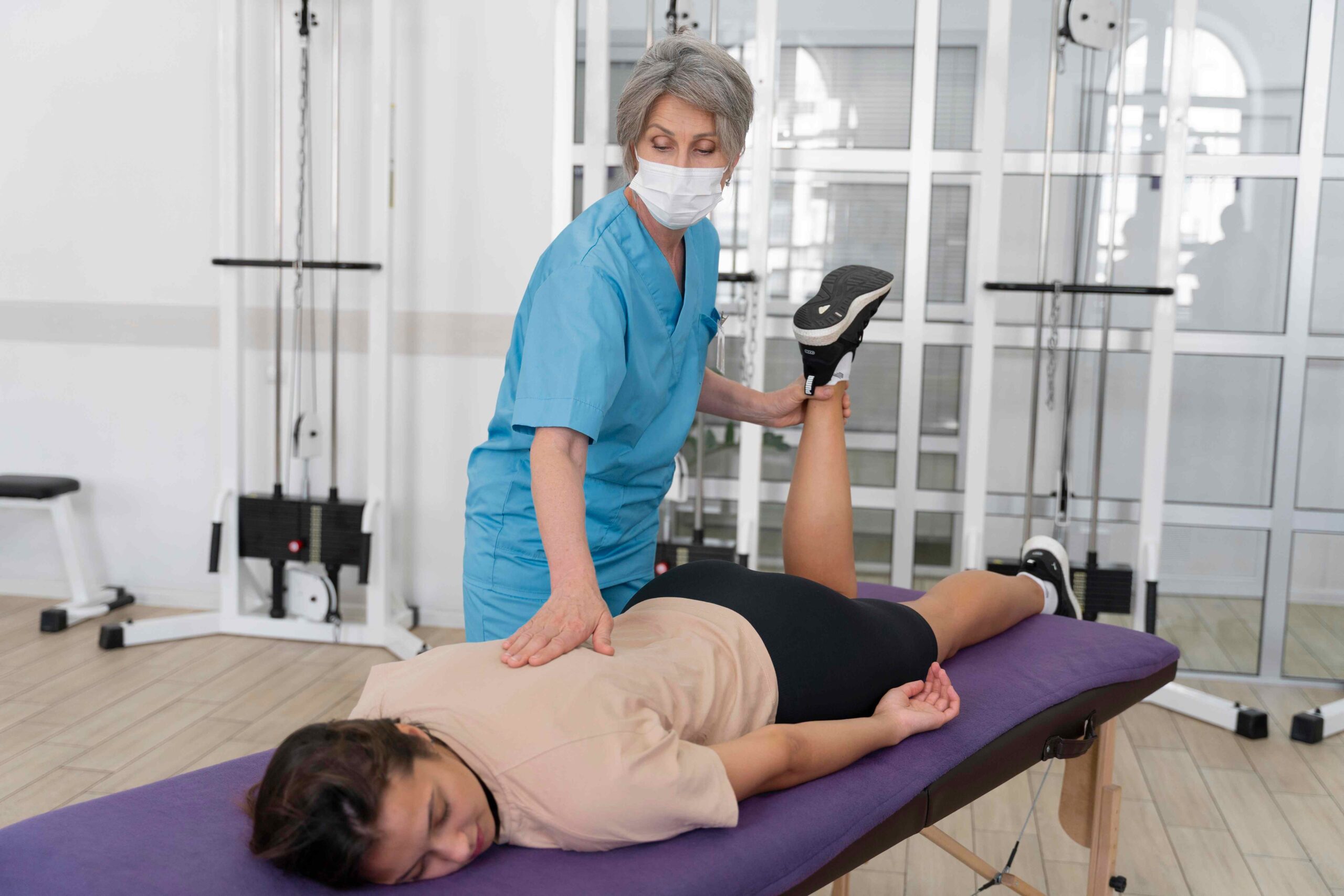
Disc herniation can cause pain, stiffness, numbness, tingling, and weakness that may interfere with everyday activities. Whether symptoms develop gradually or follow an injury, appropriate rehabilitation can help patients regain movement and confidence. Physiotherapy Cyberjaya services can provide individualised assessment and rehabilitation for people with disc herniation, with treatment tailored to their condition, activity level, and recovery goals.
Physiotherapy does not simply focus on reducing pain. A structured programme can address movement limitations, muscle weakness, poor physical conditioning, and difficulties with daily activities. With appropriate guidance at Synapse, patients can gradually return to normal movement while learning strategies to help reduce the risk of recurring problems.
The spine is made up of individual vertebrae separated by intervertebral discs. These discs provide cushioning between the bones and help the spine move comfortably.
A disc herniation occurs when material from inside a spinal disc pushes through a weakened area of its outer layer. If the herniated material irritates or compresses a nearby nerve, symptoms may develop along the path of that nerve, such as:
Symptoms vary considerably between individuals, and some people with disc herniation may have few or no symptoms at all.
Physiotherapy can form an important part of conservative management for many people with disc herniation. The primary objective is to help patients improve their ability to move and function while managing symptoms appropriately.
A physiotherapist assesses the individual’s symptoms and physical capabilities before creating a treatment plan. Instead of applying identical exercises to every patient, physiotherapy Cyberjaya programmes are adjusted according to pain levels, mobility, strength, lifestyle, and rehabilitation goals. The overall approach may include exercise therapy, movement education, manual therapy where appropriate, and advice for managing daily activities.
A physiotherapy programme generally begins with an assessment. The physiotherapist will ask about your symptoms, when they started, activities that aggravate or relieve them, and how they affect your daily routine, along with:
A physical assessment may include observing posture, walking, spinal movement, flexibility, and muscle strength. Depending on your symptoms, the physiotherapist may also assess sensation, reflexes, and other neurological signs. This information helps determine the most appropriate rehabilitation approach and whether additional medical assessment may be necessary.
Pain management is often an important early goal of rehabilitation. When pain is significant, people may become reluctant to move, which can contribute to stiffness and reduced physical activity.
A physiotherapist can teach appropriate movement strategies and exercises based on the individual’s condition. Gentle, controlled movements may help maintain mobility while avoiding unnecessary aggravation. Treatment may also include hands-on techniques when appropriate, though passive treatments are generally most useful alongside active rehabilitation and patient education. The aim is not simply temporary relief but helping the patient gradually regain confidence in normal movement.
Muscle weakness and reduced physical activity can develop when someone has been experiencing pain for an extended period, so strengthening exercises often become an important part of recovery.
Depending on the patient’s needs, a physiotherapist may introduce exercises targeting the abdominal, back, hip, and leg muscles through a spine and core rehabilitation programme designed to improve physical capacity and movement control. Strengthening is usually progressed gradually, starting with simple movements before advancing to more demanding exercises as strength improves.
Disc herniation symptoms can sometimes cause people to change how they move. For example, a person may avoid bending, walking, lifting, or rotating for fear of triggering pain. Although modifying certain activities temporarily may be appropriate, excessive fear of movement can contribute to physical deconditioning.
Physiotherapy can help patients understand which movements are appropriate at different stages of recovery. With gradual exposure and controlled progression, patients can rebuild confidence in their ability to move, making everyday activities more comfortable and manageable.
Recovery does not take place only inside the physiotherapy clinic. A physiotherapist may provide practical advice about sitting, standing, lifting, bending, and changing positions. For people who work at a desk, workstation adjustments and regular movement breaks may be recommended, while physical jobs may call for a programme focused on gradually rebuilding the strength needed for lifting, carrying, or repetitive activities.
People with disc herniation may temporarily reduce their exercise because of pain or concerns about making their condition worse. However, prolonged inactivity can reduce strength and cardiovascular fitness.
Once symptoms are appropriately controlled, physiotherapy Cyberjaya can help patients gradually return to physical activity. The type and intensity of exercise should depend on the individual’s condition, with walking, strengthening exercises, mobility work, and other suitable activities introduced progressively. For people who participate in sports, rehabilitation can eventually include movements that replicate the demands of their particular activity.
One benefit of physiotherapy is that patients can learn skills they can continue using after their supervised treatment ends. A home exercise programme can help maintain strength and mobility, and patients can also learn to recognise changes in symptoms and adjust their activity appropriately.
Maintaining regular physical activity, avoiding sudden increases in exercise intensity, and using appropriate movement strategies can support long-term spinal health. According to NCBI’s InformedHealth resource on slipped disc, conservative therapy involving exercise, relaxation, and physical therapy is usually enough to manage lower back symptoms, and most people improve without surgery.
Physiotherapy may be appropriate for many people with disc herniation, but certain symptoms require prompt medical attention:
Anyone experiencing these symptoms should seek urgent medical evaluation rather than relying solely on routine physiotherapy.
Starting rehabilitation early, once serious warning signs have been ruled out, is generally associated with better outcomes and a smoother return to normal activity.
Yes. Leg pain linked to nerve irritation from a disc herniation often responds well to targeted exercise, movement education, and manual therapy.
Not always. Many patients begin physiotherapy based on their symptoms and physical assessment, with imaging reserved for red flag symptoms or a lack of expected progress.
Recovery time varies depending on symptom severity and duration, with some people improving within weeks while others need a longer, more gradual rehabilitation programme.
Many people can return to sport once symptoms are controlled and strength has been rebuilt, with rehabilitation gradually incorporating movements specific to their activity.
Disc herniation can affect mobility, comfort, work, exercise, and quality of life, but appropriate rehabilitation can support a gradual return to normal activities. Physiotherapy can help manage symptoms while addressing strength, mobility, movement confidence, and physical conditioning.
For individuals seeking physiotherapy Cyberjaya, an individualised assessment can help determine the most suitable rehabilitation approach. Treatment may include therapeutic exercises, movement education, appropriate manual therapy, and practical advice for everyday activities. The key to successful rehabilitation is gradual progression, so if disc herniation symptoms are affecting your daily life, book an appointment with the Synapse team to get started.
Tags :






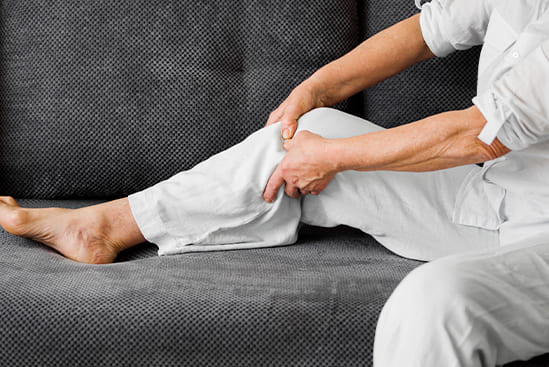
Joint degeneration and inflammation happens as the human body grows older, but that does not mean our way of life degenerates as well. Relief your joint pains with a joint effort together with your physiotherapist, who will provide pain-relief treatments and prescribe exercises for your wellbeing.

Common conditions in the older age population include hips & knee pain, back & neck pain, osteoarthritis, rheumatism, fear of falling and many more. Aging and degeneration of bodily function is inevitable, but here at Synapse, we will help you live the best of your life.