Synapse Physiotherapy | Physio Center | Rehab Malaysia
A stroke can have a major impact on a person’s movement, balance, coordination, strength, and ability to perform everyday activities. Recovery often requires time, patience, and professional support. Physiotherapy Malaysia services can play an important role in helping post-stroke patients regain physical function and work toward greater independence through individualised exercises, movement training, balance activities, and functional rehabilitation.
Every stroke affects individuals differently. Some patients may experience weakness on one side of the body, difficulty walking, muscle stiffness, poor coordination, or problems with balance. A physiotherapist assesses these challenges at Synapse and develops a rehabilitation programme based on the patient’s abilities, goals, and stage of recovery.
A stroke occurs when blood flow to part of the brain is interrupted or when a blood vessel in the brain bleeds. Because different areas of the brain control different functions, the effects of a stroke can vary considerably.
Common physical difficulties include:
These problems can make simple activities such as standing, walking, getting out of bed, dressing, or reaching for objects more difficult. This is exactly where Physiotherapy Malaysia programmes focus their efforts, helping patients improve these abilities through structured and progressive rehabilitation.
Physiotherapy generally begins with a detailed assessment covering muscle strength, joint movement, balance, coordination, posture, walking ability, and functional movement.
The assessment also considers how the patient’s physical limitations affect everyday activities. For example, a patient who can stand independently but struggles to walk safely may need a different rehabilitation approach from someone who requires assistance even to sit or transfer from a bed to a chair.
Based on the assessment, the physiotherapist establishes realistic goals, which may include:
Muscle weakness is one of the most common challenges following a stroke. Physiotherapy can incorporate targeted strengthening exercises to help patients improve their ability to control and use affected muscles. Exercises may involve repeated movements, supported activities, resistance work, or task-specific practice, with intensity adjusted according to the patient’s abilities.
Repetition plays an important part in neurological rehabilitation. Practising appropriate movements regularly helps patients develop better control and improve their confidence when performing physical tasks.
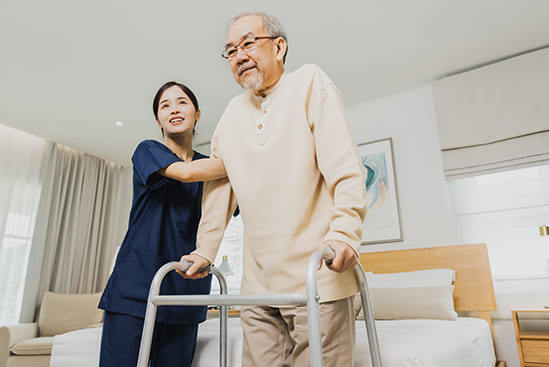
Stroke survivors may experience changes in walking speed, stride length, balance, or coordination, and some may require walking aids or assistance from another person.
Physiotherapists provide gait training to help patients practise safer and more efficient walking patterns. Sessions may include standing exercises, weight-shifting activities, stepping practice, walking over different surfaces, and training with appropriate mobility aids. Improving mobility can have benefits beyond walking itself, allowing patients to participate more easily in household activities, attend appointments, and socialise.
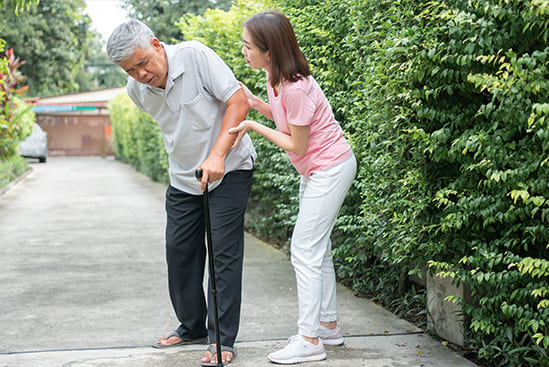
Balance problems can increase the risk of falls after a stroke, since patients may have difficulty maintaining stability when standing, turning, reaching, or changing positions.
Physiotherapy includes balance exercises designed to gradually challenge the patient’s ability to maintain control, such as shifting body weight, standing with different foot positions, or reaching for objects. Family members and caregivers can also receive guidance on safe use of walking aids and strategies for moving around the home without unnecessarily restricting the patient’s independence.
Some stroke survivors develop increased muscle tone or spasticity, which can make certain joints and muscles feel stiff and interfere with movement. Physiotherapy may use positioning, stretching, active movement, strengthening, and functional exercises to help manage these problems. Where significant spasticity is present, physiotherapists often work alongside doctors and other healthcare professionals to coordinate appropriate care, drawing on approaches recommended by the American Stroke Association for restoring physical function after stroke.
A stroke can affect the ability to reach, grasp, lift, or manipulate objects. Physiotherapy may incorporate activities that encourage controlled use of the affected arm during functional tasks, such as reaching for objects, supporting body weight through the affected arm, or performing repetitive movements related to everyday activities. The aim is not simply to improve isolated muscle movement but to help patients use their affected limb as effectively as possible in meaningful activities.
One of the most important goals of stroke rehabilitation is helping patients become as independent as possible. Physiotherapy can focus on functional movements such as getting in and out of a chair, walking to the bathroom, climbing steps, or moving safely around the home, often designed around activities that are personally meaningful to the patient.
For patients who find it difficult to travel to a clinic, a home visit programme allows rehabilitation to continue safely and consistently in a familiar environment. Family members and caregivers also play an important role, and physiotherapists can teach appropriate techniques for assisting with transfers, walking, positioning, and home exercises.
Stroke recovery is often a gradual process, and progress may vary from person to person. Consistent participation in a suitable neurological rehabilitation programme can help patients maintain physical activity and continue working toward their functional goals, with home exercises complementing supervised sessions when prescribed appropriately.
Rehabilitation should begin as soon as the patient is medically stable, since earlier intervention is generally linked to better long-term recovery outcomes.
Recovery timelines vary widely depending on the severity of the stroke and the patient’s overall health, ranging from a few months to ongoing, long-term rehabilitation.
Yes. Targeted exercises and functional task practice can help patients regain controlled use of the affected arm and hand over time.
Yes. Programmes are tailored to the patient’s age, abilities, and stage of recovery, with extra attention given to balance, fall prevention, and safe mobility in older patients.
Caregivers play an important supporting role, and physiotherapists often teach safe techniques for transfers, positioning, and home exercises to support recovery between sessions
Physiotherapy can provide valuable support for people recovering from stroke by addressing weakness, balance problems, mobility limitations, coordination difficulties, muscle stiffness, and reduced physical independence. Through personalised assessment and progressive rehabilitation, patients can work toward improving movement and participating more confidently in everyday activities.
Recovery after a stroke is highly individual, so treatment should be tailored to each person’s condition, abilities, and goals. If you or a loved one could benefit from Physiotherapy Malaysia support after a stroke, book an appointment with the Synapse team to get started on a personalised recovery plan.
Tags :
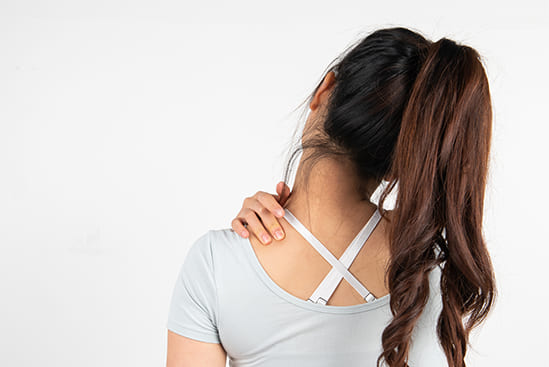

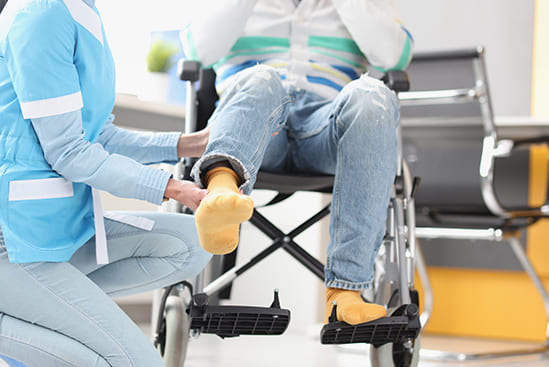
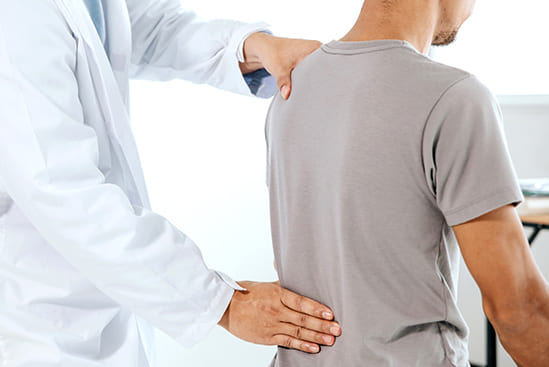
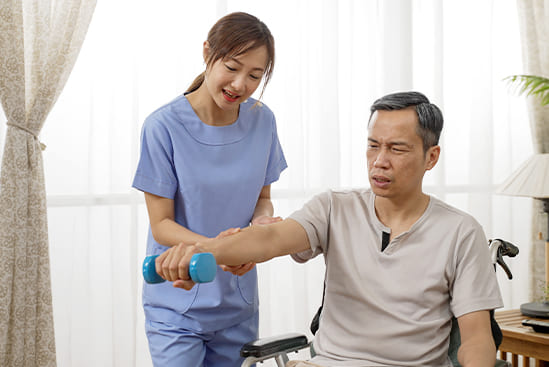
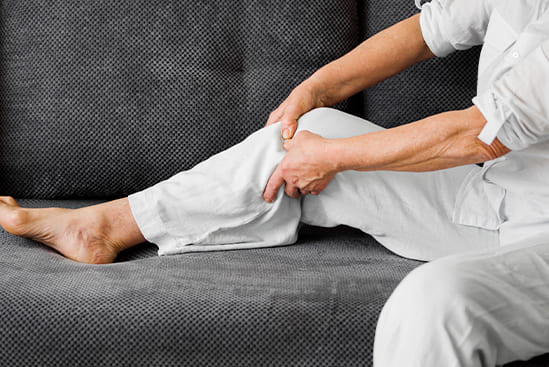
Joint degeneration and inflammation happens as the human body grows older, but that does not mean our way of life degenerates as well. Relief your joint pains with a joint effort together with your physiotherapist, who will provide pain-relief treatments and prescribe exercises for your wellbeing.
Common conditions in the older age population include hips & knee pain, back & neck pain, osteoarthritis, rheumatism, fear of falling and many more. Aging and degeneration of bodily function is inevitable, but here at Synapse, we will help you live the best of your life.