Synapse Physiotherapy | Physio Center | Rehab Malaysia
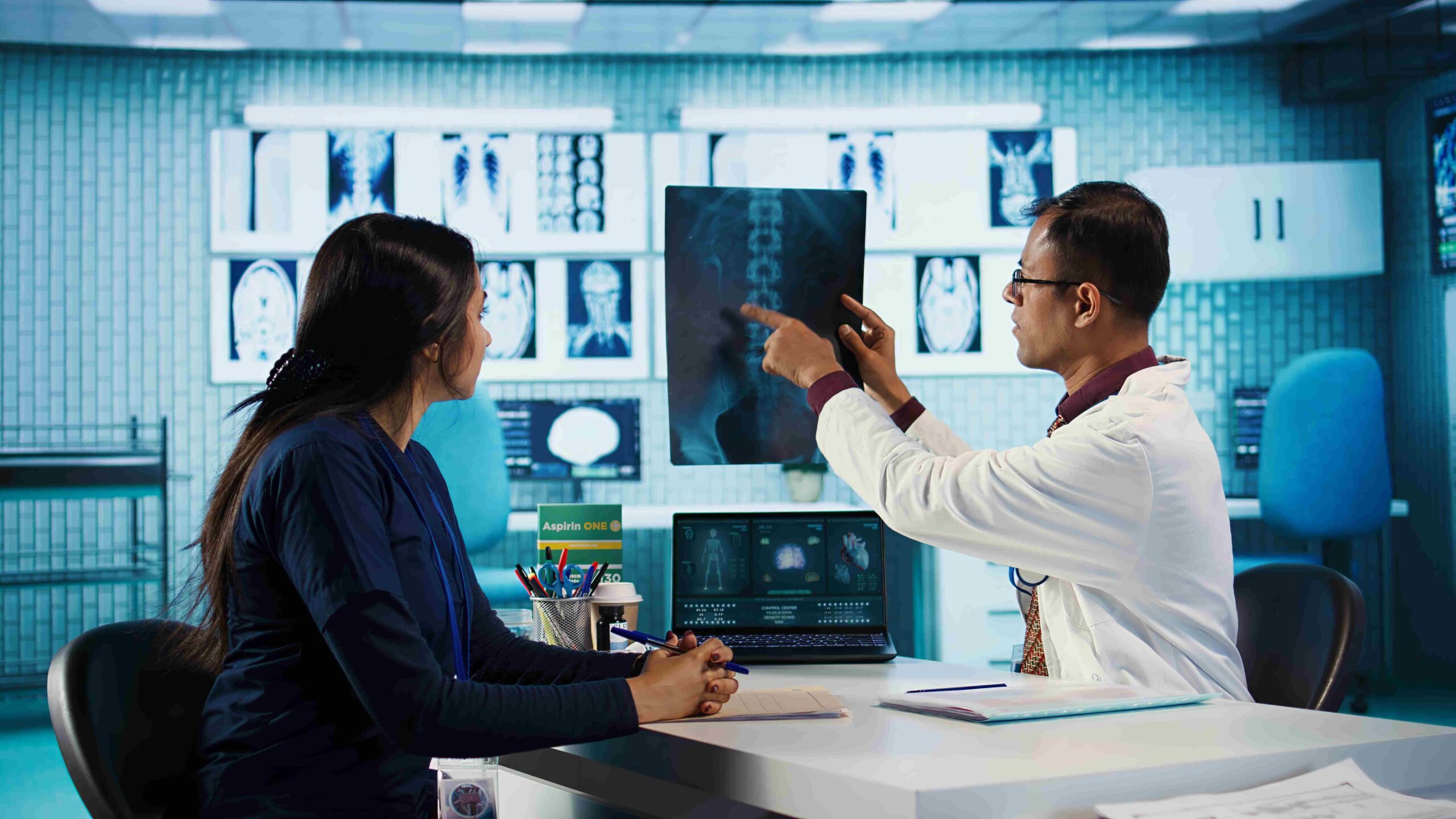
Scoliosis is commonly associated with children and teenagers, but it can also develop or become more noticeable in older adults. Age-related changes, osteoporosis, arthritis, disc degeneration, and previous spinal injuries can contribute to spinal curvature and imbalance. A spine specialist plays an important role in identifying the underlying cause and determining whether an older patient has scoliosis, degenerative scoliosis, or another spinal condition.
Diagnosing scoliosis among elderly patients requires more than looking at the shape of the spine. Specialists consider symptoms, medical history, physical condition, posture, neurological function, and imaging together, since older adults may have several spinal conditions at once, which is why patients are encouraged to get assessed at Synapse before starting any programme.
Scoliosis refers to an abnormal sideways curvature of the spine, often with rotation of the vertebrae. In older adults, it may have existed since adolescence, or it can develop later in life, most commonly through degeneration of the spinal discs and joints.
As people age, the discs can lose height and flexibility, facet joints may become arthritic, and weakened bones can change spinal alignment. According to Mayo Clinic, adult scoliosis is usually the result of ordinary wear and tear combined with arthritis or osteoporosis, rather than a completely new disease process.
Older patients may experience:
The diagnostic process usually begins with a detailed medical history. Questions typically cover when symptoms first appeared and how they have progressed, along with:
Understanding how symptoms developed helps distinguish degenerative scoliosis from other causes of spinal deformity. Sudden or progressive neurological symptoms, for example, may indicate nerve compression rather than scoliosis alone.
A physical examination allows the specialist to evaluate posture and spinal alignment, observing the patient while standing, walking, bending, and changing positions.
The specialist looks for differences in shoulder or hip height, an uneven waistline, or a tendency to lean to one side. The exam also includes neurological testing, checking reflexes, muscle strength, sensation, and coordination to identify possible nerve involvement. In older adults, balance and mobility are often evaluated too, since spinal deformity can affect stability.
X-rays are one of the most important tools for diagnosing scoliosis. Standing spinal X-rays show the overall alignment of the spine while the patient is bearing weight, giving a more accurate picture than lying-down images.
The images reveal the shape and location of the spinal curve, disc-space narrowing, and signs of arthritis or degeneration. The degree of curvature is measured using the Cobb angle. For elderly patients, X-rays may reveal several age-related changes at once, so imaging is always interpreted alongside symptoms and physical findings rather than in isolation.
While X-rays provide valuable information about spinal alignment and bone structure, additional imaging may be recommended when nerve compression or other complications are suspected.
An MRI can identify conditions such as spinal stenosis, herniated discs, or nerve compression, while a CT scan gives more detail on complex bone changes or fractures. These methods help determine whether symptoms are caused mainly by the spinal curve or by other age-related conditions occurring alongside it.
Bone health is particularly important when diagnosing and treating scoliosis in older adults, since osteoporosis can weaken vertebrae and raise the risk of compression fractures.
A bone-density test, known as a DEXA scan, may be recommended when osteoporosis is suspected. Identifying low bone density can influence treatment decisions, especially if surgery is being considered. A spinal curve linked to vertebral fractures usually requires a different management strategy than scoliosis caused mainly by degenerative changes.
Older adults frequently experience multiple spinal conditions at once. Back pain and a stooped posture do not automatically mean scoliosis is the primary problem. Other common culprits include:
A comprehensive diagnosis helps determine which condition is actually responsible for a patient’s symptoms, whether that turns out to be scoliosis and postural abnormalities or a related spinal issue. This matters because treatment should address the underlying source of discomfort, not just the visible curve.
Once scoliosis has been diagnosed, treatment decisions are based on symptoms, curve severity, overall health, bone quality, and personal goals.
Not every older adult with scoliosis requires surgery. Many patients can be managed with conservative approaches such as a structured spine and core rehabilitation programme, posture and mobility training, and pain-management strategies. In selected cases, injections may help manage pain caused by nerve compression or inflamed joints. Surgery may be discussed when severe deformity or significant nerve compression fails to respond to non-surgical treatment.
Although some age-related spinal changes are expected, persistent or worsening symptoms should not simply be dismissed as a normal part of ageing. Early assessment can help identify scoliosis and other spinal problems before they seriously interfere with mobility and independence.
A timely diagnosis also allows patients and families to understand the condition and explore appropriate treatment options, with regular monitoring recommended when the curve is mild or symptoms remain manageable.
Degenerative scoliosis typically develops after the age of 40 as spinal discs and joints naturally wear down, though it can appear at any stage of later life.
Yes. Most cases are managed conservatively through physical therapy, posture training, and targeted exercise, with surgery reserved for severe or unresponsive cases.
Standing X-rays, the Cobb angle measurement, and a full physical examination are used to confirm whether a genuine spinal curve is present rather than general postural sagging.
Osteoporosis can weaken the vertebrae and contribute to spinal curvature, which is why a bone-density scan is often part of the diagnostic process.
Persistent back pain, postural changes, difficulty walking, or new numbness and weakness in the legs are all reasons to seek assessment rather than assuming the symptoms are just part of ageing.
Diagnosing scoliosis in elderly patients calls for a comprehensive approach. A spine specialist typically combines a detailed medical history, physical and neurological examination, standing X-rays, and additional imaging or bone-health assessments when necessary.
Because older adults may have scoliosis alongside arthritis, osteoporosis, spinal stenosis, disc degeneration, or previous injuries, identifying the exact cause of symptoms is essential. With an accurate diagnosis, treatment can be tailored to the patient’s condition, health status, and lifestyle goals.
Older adults experiencing persistent back pain, changes in posture, difficulty walking, or neurological symptoms should seek professional assessment rather than assuming these problems are simply a consequence of ageing. Book an appointment today and take the first step toward better mobility and quality of life.
Tags :
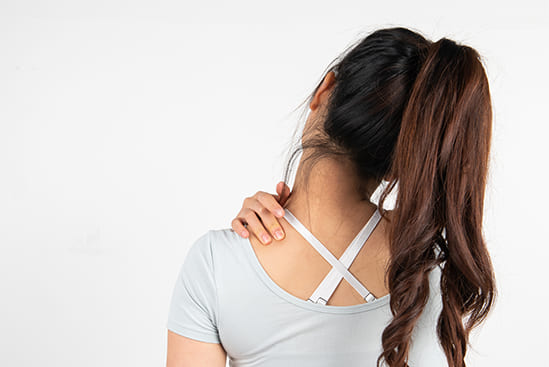


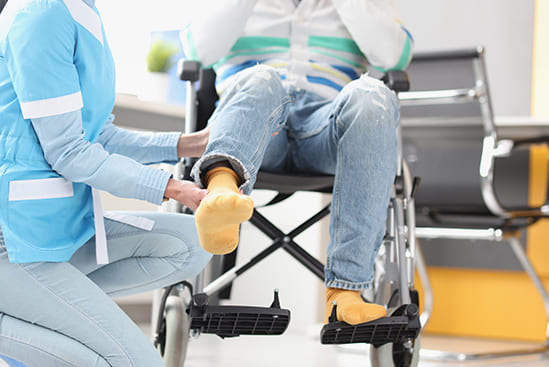


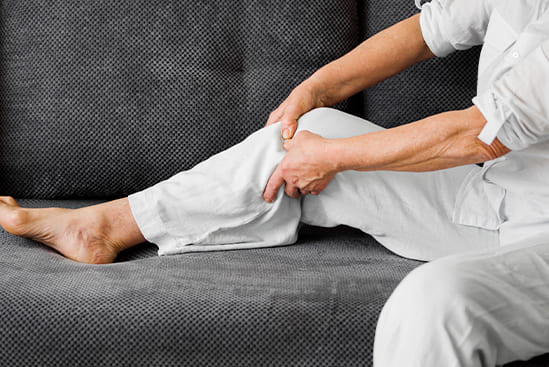
Joint degeneration and inflammation happens as the human body grows older, but that does not mean our way of life degenerates as well. Relief your joint pains with a joint effort together with your physiotherapist, who will provide pain-relief treatments and prescribe exercises for your wellbeing.

Common conditions in the older age population include hips & knee pain, back & neck pain, osteoarthritis, rheumatism, fear of falling and many more. Aging and degeneration of bodily function is inevitable, but here at Synapse, we will help you live the best of your life.