Synapse Physiotherapy | Physio Center | Rehab Malaysia
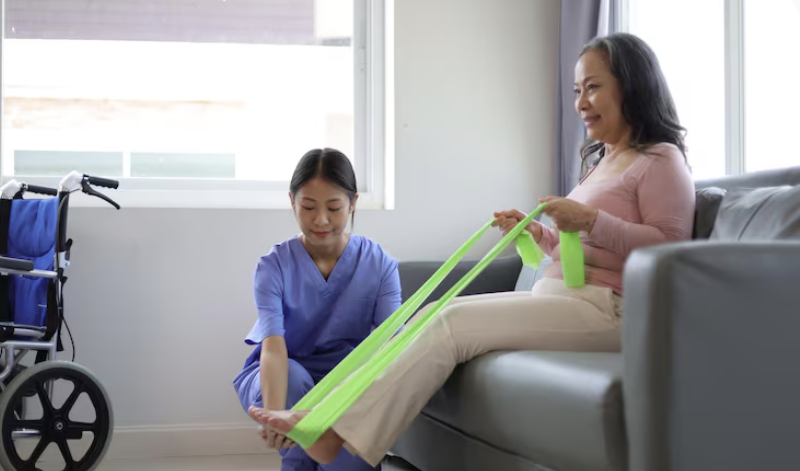
If you are experiencing pain, recovering from an injury or managing a long-term musculoskeletal condition, knowing what happens during physiotherapy can make the process feel less intimidating. Many people searching for physiotherapy Kuala Lumpur services are unsure what their first session will involve, what they should wear, how treatment progresses or whether physiotherapy will be painful.
Physiotherapy sessions are usually structured, patient-focused and designed to improve movement, reduce pain and restore function. Rather than offering only temporary relief, physiotherapy aims to identify the root cause of symptoms and guide a safe recovery plan through assessment, treatment, exercise and education.
At Synapse Physiotherapy, patients can receive personalised care for pain, sports injuries, posture concerns, post-surgery rehabilitation and movement limitations. Each treatment plan is tailored to the individual, which means no two sessions are exactly the same.
Your first session usually begins with a detailed consultation. This is an important part of the rehabilitation process because your physiotherapist needs to understand your symptoms, lifestyle and recovery goals before planning treatment.
During the consultation, your physiotherapist may ask about:
This conversation helps your physiotherapist understand the bigger picture. For example, shoulder pain may be related to gym technique, desk posture or previous neck stiffness. Knee pain may be linked to hip weakness, ankle restriction or running load. A good assessment looks beyond the painful area and considers how the whole body moves.
After the discussion, your physiotherapist will usually perform a physical assessment. This helps identify restrictions, weaknesses, sensitivity, movement limitations and possible causes of pain.
The assessment may include:
In physiotherapy Kuala Lumpur sessions, your physiotherapist may assess the full movement chain. For example, if you have knee pain, the hip, ankle, foot and lower back may also be checked. This helps identify contributing factors rather than treating pain in isolation.
You may be asked to perform movements such as squatting, bending, walking, reaching, lifting or standing on one leg. These tests should be explained clearly and adjusted to your comfort level.
Once the assessment is complete, your physiotherapist will explain the likely cause of your symptoms. This explanation is important because understanding your condition helps you take an active role in recovery.
Your treatment plan may include:
The plan should match your condition, lifestyle and goals. A person recovering from surgery may need a slower staged plan, while an athlete with a sports injury may need progressive strengthening and return-to-sport rehabilitation.
The NHS guide to physiotherapy explains that physiotherapy may include exercises to improve joint movement and muscle strength, manual therapy, advice on managing symptoms, and treatments such as ultrasound therapy or TENS. Home exercises may also be given between sessions to support recovery.
Many physiotherapy Kuala Lumpur sessions may include hands-on treatment, especially when pain, stiffness or muscle tightness limits movement. Manual therapy is not used for every patient, but it can be helpful when selected appropriately.
Hands-on techniques may include:
These techniques may help reduce stiffness, improve circulation, relax tight muscles and restore joint movement. However, hands-on treatment is usually only one part of care. Long-term improvement often depends on exercise, movement retraining and lifestyle changes.
For patients with persistent discomfort, pain management physiotherapy may support symptom relief while the body gradually rebuilds movement and strength.
Exercise is a core part of physiotherapy. It helps restore strength, flexibility, balance and movement control. Your exercises will usually begin at a manageable level and progress as your symptoms improve.
Your physiotherapist may guide you through:
Exercises should be tailored to your condition. For example, someone with lower back pain may need core and hip strengthening, while someone with ankle instability may need balance and proprioception training.
For patients who need to rebuild physical capacity, strength and conditioning may support later-stage rehabilitation and help prepare the body for work, sport or daily activity.
Pain management is often a priority during the early stages of treatment. When pain is reduced, patients can usually move more comfortably and participate better in rehabilitation.
Physiotherapy may use strategies such as:
Pain during physiotherapy should be monitored carefully. Some mild discomfort may occur when moving stiff or sensitive areas, but treatment should not cause sharp, severe or worsening pain. You should always tell your physiotherapist if something feels too uncomfortable.
The goal is not to push through pain. The goal is to restore movement safely and gradually.
Education is one of the most valuable parts of physiotherapy Kuala Lumpur sessions. Your physiotherapist will help you understand what may be contributing to your symptoms and how to manage them outside the clinic.
Advice may include:
This is important because many conditions are affected by daily habits. For example, neck and shoulder pain may be linked to laptop posture. Back pain may be worsened by prolonged sitting. Sports injuries may return if training load increases too quickly.
Education helps you make small changes that support long-term recovery.
Physiotherapy is a progressive process. Your treatment plan should change as your body improves. During follow-up sessions, your physiotherapist may reassess your pain, movement, strength and function.
Progress monitoring may include:
This ensures that your rehabilitation continues in the right direction. If symptoms are improving, exercises may become more challenging. If symptoms flare up, your physiotherapist may modify the programme and reduce irritating activities temporarily.
A major goal of physiotherapy is helping patients return to real-life activities. This may include work, exercise, sport, housework, walking, lifting or climbing stairs.
Functional rehabilitation may include:
For athletes and active individuals, sports physiotherapy can support a safer return to training and sport. This may involve progressive drills that match the demands of running, jumping, cutting, lifting or playing.
The goal is not only to feel better at rest. It is to move confidently during the activities that matter to you.
The number of sessions needed depends on your condition, severity, goals and consistency with home exercises. Some acute injuries may improve within a few sessions, while chronic pain, post-surgery rehabilitation or complex sports injuries may need longer care.
Your physiotherapist may guide you on:
Consistency matters. Patients who follow their home programme and attend sessions as advised often make better progress than those who rely only on clinic treatment.
To get the most from physiotherapy Kuala Lumpur sessions, it helps to arrive prepared.
You may want to bring:
Wear clothing that allows movement and lets the physiotherapist assess the affected area appropriately. For example, shorts may be helpful for knee or ankle issues, while a sleeveless top may be useful for shoulder concerns.
Patients who want to understand the clinic team before booking can learn more about the Synapse Physiotherapy team.
After physiotherapy, some patients feel immediate improvement in movement or reduced tension. Others may feel mild soreness, especially after exercises or hands-on treatment. Mild muscle soreness can be normal, particularly when the body is adapting to new movement.
After a session, you may experience:
However, sharp pain, worsening symptoms, new numbness or significant swelling should be reported to your physiotherapist. Your programme can then be adjusted based on your response.
The first session should not be excessively painful. Some tests may reproduce familiar symptoms to help identify the problem, but your physiotherapist should work within your comfort level.
This depends on your condition, symptoms, goals and recovery progress. Some mild injuries improve within a few sessions, while chronic or post-surgical cases may need longer rehabilitation.
In many cases, you can book physiotherapy directly. However, a referral or medical clearance may be needed for post-surgery cases, fractures, serious injuries or complex medical conditions.
Yes. Home exercises are commonly given to support recovery between sessions. Doing them consistently can help improve strength, mobility and long-term results.
Tell your physiotherapist if symptoms worsen, especially if pain becomes sharp, swelling increases, or numbness or weakness appears. Your treatment plan may need adjustment or further medical review.
Physiotherapy Kuala Lumpur sessions are structured to help patients understand their condition, reduce pain, restore movement and rebuild strength. A typical journey may include assessment, diagnosis, hands-on treatment, exercise rehabilitation, education and progress monitoring.
Rather than focusing only on quick relief, physiotherapy supports long-term recovery and better movement confidence. With consistent attendance, active participation and proper home exercises, patients can return to daily activities, work or sport more safely.
For personalised care, visit Synapse Physiotherapy or contact Synapse Physiotherapy to book an appointment and begin your recovery journey with guided support.
Tags :






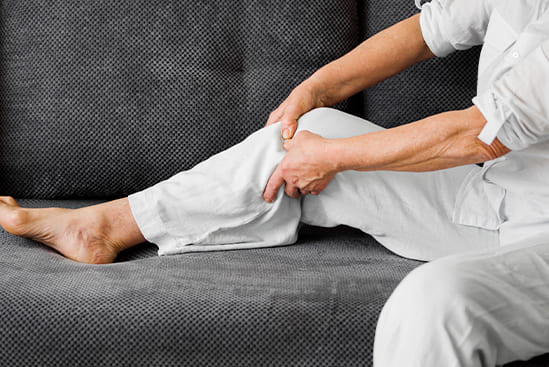
Joint degeneration and inflammation happens as the human body grows older, but that does not mean our way of life degenerates as well. Relief your joint pains with a joint effort together with your physiotherapist, who will provide pain-relief treatments and prescribe exercises for your wellbeing.

Common conditions in the older age population include hips & knee pain, back & neck pain, osteoarthritis, rheumatism, fear of falling and many more. Aging and degeneration of bodily function is inevitable, but here at Synapse, we will help you live the best of your life.