Synapse Physiotherapy | Physio Center | Rehab Malaysia
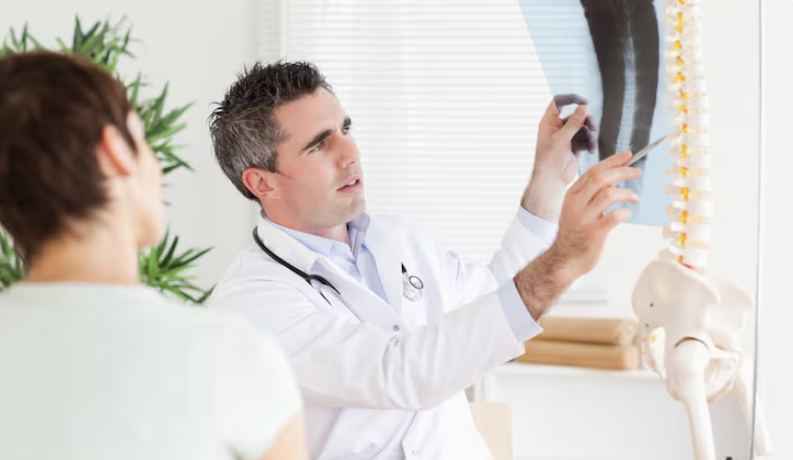
Accidents can affect the body in many ways, especially the spine. Whether caused by a road traffic accident, workplace injury, sports collision, or fall, trauma can lead to neck pain, back pain, stiffness, reduced mobility, nerve irritation, and difficulty returning to normal activities. Even when symptoms seem mild at first, spinal pain may develop hours or days later due to inflammation, muscle guarding, or soft tissue injury.
A spine specialist plays an important role in post-accident recovery by identifying the cause of pain, guiding safe rehabilitation, and helping prevent long-term complications. The goal is not only to reduce discomfort, but also to restore movement, strength, posture, and confidence.
At Synapse Physiotherapy, patients can receive personalised rehabilitation support for spine-related pain, injury recovery, movement limitations, and long-term functional improvement.
The spine supports the body, protects the spinal cord, and allows movement in the neck, back, and trunk. After an accident, the muscles, ligaments, joints, discs, and nerves around the spine may all be affected. Some injuries are immediate, while others develop gradually as swelling, stiffness, and inflammation increase.
Common Post-Accident Spinal Problems:
Symptoms to Watch For:
Some spinal injuries are not immediately obvious. If symptoms develop or worsen in the days following an accident, a proper assessment is important to identify the underlying cause early.
The NHS guide to whiplash explains that whiplash often happens after a sudden impact and may cause neck pain, stiffness, headaches, and difficulty moving the neck. Early assessment can help patients understand their condition and begin suitable treatment safely.
The first step in recovery is a detailed assessment. A spine specialist will review how the accident happened, where the pain is located, whether symptoms are worsening, and whether there are signs of nerve involvement.
Assessment may include checking spinal movement, posture, muscle strength, joint mobility, tenderness, balance, walking pattern, and neurological signs such as numbness, tingling, reflex changes, or weakness. If a more serious injury is suspected, imaging such as X-ray, MRI, or CT scan may be recommended by the appropriate medical provider.
Accurate diagnosis is important because different injuries need different treatment approaches. A muscle strain, slipped disc, whiplash injury, or nerve compression should not all be managed in the same way. A personalised plan helps reduce risk and supports better recovery.
Pain is often the first concern after an accident. When pain is high, patients may avoid movement, sleep poorly, or become fearful of activity. A spine specialist helps manage symptoms so the patient can begin rehabilitation safely.
Pain management may include gentle movement, heat or cold therapy, manual therapy, soft tissue techniques, posture advice, activity modification, and guided exercises. In some cases, medication or medical interventions may be recommended by a doctor.
Physiotherapy is commonly used to restore movement and function after injury. The NHS guide to physiotherapy explains that physiotherapy can help restore movement and function when someone is affected by injury, illness, or disability.
Most accident-related spinal injuries can be managed without surgery. A conservative approach is often recommended first, especially for soft tissue injuries, mild disc problems, joint stiffness, and movement-related pain.
Non-surgical treatment may include physiotherapy, manual therapy, strengthening exercises, stretching, ergonomic advice, posture correction, and activity pacing. The aim is to support natural healing while gradually rebuilding strength and mobility.
At Synapse Therapy’s physiotherapy spine core rehabilitation page, care can be tailored according to the patient’s pain level, injury type, functional goals, and recovery progress.
Here’s the optimized version:
Physiotherapy is a key part of post-accident rehabilitation. A spine specialist often works closely with physiotherapists to build a safe and progressive recovery plan, typically starting with gentle mobility and pain control before advancing to strength, posture, and functional training.
What Physiotherapy Can Help With:
Examples of Condition-Specific Rehabilitation:
Condition | Rehabilitation Focus |
Whiplash | Neck mobility exercises, shoulder strengthening, postural guidance, gradual return to normal head movement |
Lower back pain after a fall | Core strengthening, hip mobility work, safe lifting education |
A well-structured rehabilitation plan addresses both the physical injury and the movement patterns that develop around it, supporting a fuller and more lasting recovery.
After an accident, many patients move less because they are afraid of pain or re-injury. While rest may be necessary in the early stage, prolonged inactivity can lead to stiffness, weakness, and slower recovery. A structured plan helps patients return to movement gradually and safely.
A spine specialist may recommend progressive exercises that begin with gentle movements and later include strengthening, balance work, flexibility training, and functional activities. Functional training may involve practising sitting, standing, bending, walking, climbing stairs, lifting, driving posture, or returning to work tasks.
The goal is to help patients regain independence and confidence, not simply reduce pain temporarily.
Without proper care, post-accident spine injuries may become chronic. Pain can persist because of weakness, poor posture, reduced mobility, nerve sensitivity, or fear of movement. Early rehabilitation reduces the risk of these long-term problems.
Preventive strategies may include strengthening the core and back muscles, improving posture, learning safe lifting techniques, taking movement breaks, adjusting workstation setup, and gradually returning to activity.
A spine specialist also educates patients on warning signs, safe activity levels, and how to manage flare-ups. This gives patients better control over their recovery and helps them avoid repeated setbacks.
Recovery after an accident is not only physical. Some patients become anxious about movement, driving, exercise, or returning to work. Fear of pain can cause the body to stay tense, which may worsen stiffness and discomfort.
A structured rehabilitation plan provides reassurance. When patients understand their injury, know which movements are safe, and see progress over time, confidence improves. Education is an important part of recovery because it helps patients participate actively in treatment.
For support with post-accident rehabilitation, patients can arrange an appointment to discuss treatment options.
Most post-accident spine injuries do not require surgery. However, surgery or urgent medical care may be needed in certain cases, such as severe nerve compression, spinal instability, fractures, progressive weakness, or serious structural damage.
Seek urgent medical attention if you experience loss of bladder or bowel control, numbness around the groin or saddle area, severe weakness, fever with back pain, or worsening neurological symptoms. A responsible clinician will identify red flags and refer patients when necessary.
You should seek assessment if you have persistent neck or back pain, stiffness, headaches, radiating pain, numbness, tingling, weakness, or difficulty with daily activities after an accident.
Yes. Some symptoms develop hours or days later due to inflammation, muscle guarding, and soft tissue irritation. Delayed pain should still be assessed if it persists or worsens.
Yes. Physiotherapy can help restore neck mobility, reduce stiffness, improve posture, strengthen supporting muscles, and guide a safe return to normal activity.
Not always. Many injuries can be assessed clinically first. Imaging may be recommended if there are severe symptoms, trauma concerns, nerve signs, or suspected fracture.
Exercise can be safe when prescribed correctly. The type, intensity, and timing should depend on your diagnosis, pain level, and recovery stage.
A spine specialist can play a vital role in post-accident recovery by providing proper assessment, pain management, rehabilitation planning, mobility restoration, and long-term prevention guidance. Whether the issue is whiplash, back strain, slipped disc, nerve irritation, or stiffness after trauma, early care can make recovery safer and more effective.
Most accident-related spine injuries can improve with non-surgical treatment, especially when physiotherapy and education are started at the right time. The key is to understand the injury, move safely, build strength gradually, and avoid ignoring symptoms that may worsen.
Visit Synapse Physiotherapy’s conditions page for personalised post-accident spine rehabilitation or book an appointment now to consult a professional.
Tags :



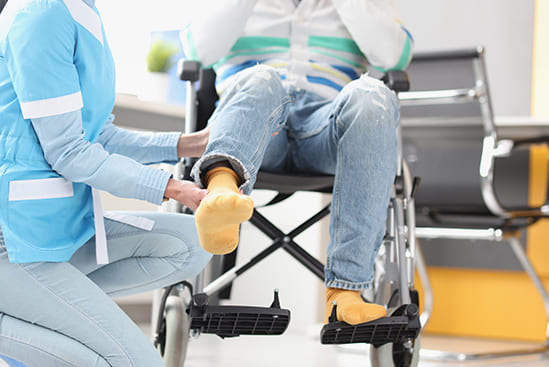


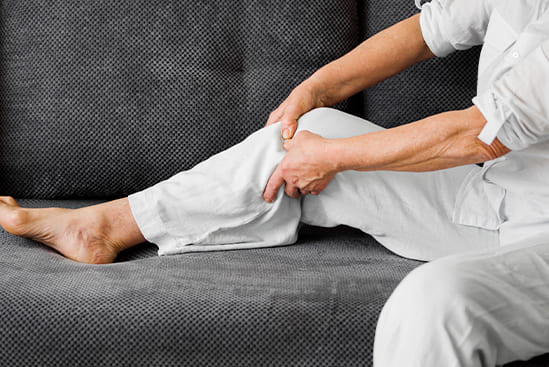
Joint degeneration and inflammation happens as the human body grows older, but that does not mean our way of life degenerates as well. Relief your joint pains with a joint effort together with your physiotherapist, who will provide pain-relief treatments and prescribe exercises for your wellbeing.

Common conditions in the older age population include hips & knee pain, back & neck pain, osteoarthritis, rheumatism, fear of falling and many more. Aging and degeneration of bodily function is inevitable, but here at Synapse, we will help you live the best of your life.