Synapse Physiotherapy | Physio Center | Rehab Malaysia
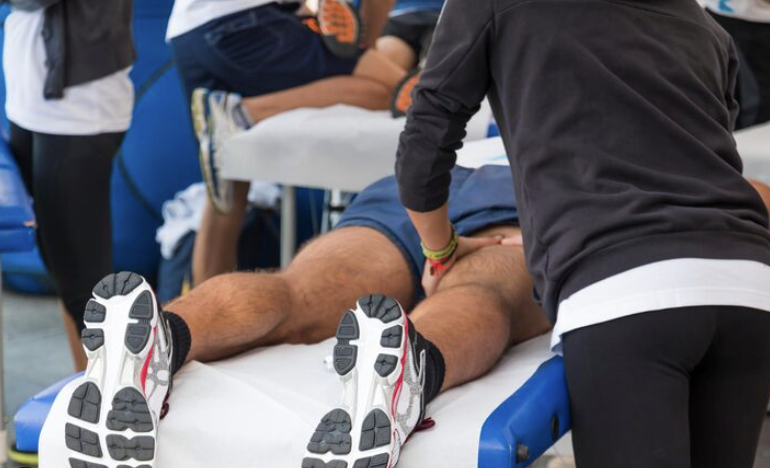
Muscle strains are among the most common injuries affecting athletes, gym-goers, runners, and active individuals. They can happen suddenly during sprinting, jumping, lifting, kicking, or changing direction. They may also develop gradually from overuse, fatigue, poor warm-up, or muscle imbalance. Whether mild or severe, a strain can affect movement, performance, and confidence.
Sports Physiotherapy provides a structured, evidence-based approach to muscle strain recovery. Instead of focusing only on pain relief, it guides the injured muscle through safe healing, gradual loading, strength rebuilding, and return to activity. The NHS explains that sprains and strains are common injuries affecting muscles and ligaments, often causing pain, tenderness, weakness, swelling, bruising, or difficulty using the injured area. NHS sprains and strains provides helpful guidance on early care.
At Synapse Physiotherapy, treatment is personalized to each patient’s injury, activity level, sport, and recovery goals.
A muscle strain occurs when muscle fibres are overstretched or torn, commonly triggered by:
Commonly Affected Areas: Hamstrings, quadriceps, calf muscles, groin, shoulder, and lower back
Grades of Muscle Strain:
Grade | Severity | Description |
Grade I | Mild | Minor stretching or small fibre damage |
Grade II | Moderate | Partial tear with noticeable pain, weakness, and reduced function |
Grade III | Severe | Complete rupture that may require urgent medical assessment |
Common Symptoms:
Seek medical assessment if: pain is severe, the limb appears deformed, or you are unable to walk or move normally.
Sports Physiotherapy is effective because it follows the healing process of the muscle. In the early stage, the goal is to protect the injured tissue and reduce pain. As healing progresses, the focus shifts towards restoring flexibility, strength, coordination, and sport-specific function.
This approach helps reduce the risk of returning too soon, which is one of the main reasons muscle strains recur. A patient may feel less pain after a few days, but the muscle may not yet be ready for sprinting, kicking, lifting, or sudden acceleration. A physiotherapist helps determine when it is safe to progress.
At Synapse Therapy’s sports physiotherapy services, patients can explore professional care designed to improve mobility, strength, recovery, and long-term function.
The first stage of Sports Physiotherapy focuses on protecting the injured muscle and controlling symptoms. During the first few days, the injured area may be painful, swollen, weak, or sensitive. The aim is to avoid further damage while allowing gentle recovery to begin.
Management may include activity modification, ice therapy, compression, elevation, and gentle pain-free movement. Complete rest for too long is usually not ideal because the muscle and surrounding joints may become stiff. However, loading the muscle too aggressively can delay healing.
A physiotherapist can advise what movements are safe, what activities to avoid, and when to begin light exercises. This is especially useful for athletes who are eager to return quickly but need a safe recovery plan.
Once pain and swelling begin to settle, Sports Physiotherapy moves into early rehabilitation. The goal is to restore movement without overstressing the healing tissue. This may include range of motion exercises, gentle stretching, and isometric strengthening.
Isometric exercises involve activating the muscle without moving the joint significantly. This helps maintain muscle activity while reducing strain on healing fibres. The intensity should be carefully controlled according to pain and recovery stage.
Early rehabilitation also includes education. Patients are taught how to avoid re-injury, how to modify training, and how to recognise warning signs. This stage helps prepare the body for more active strengthening later.
As the muscle heals, progressive strengthening becomes essential. Without proper strengthening, the injured area may remain weak and vulnerable. This increases the risk of recurrent strains, especially in sports involving speed, power, or repeated load.
A Sports Physiotherapy programme may include resistance training, eccentric strengthening, balance drills, and functional movements. Eccentric exercises are especially important for many muscle strains because they train the muscle to control lengthening under load. This is vital for hamstring, calf, quadriceps, and groin recovery.
The NHS Inform soft tissue injury advice explains that soft tissues include muscles, tendons, and ligaments, and these areas can be injured after trauma, strain, sprain, or overload. Recovery should support healing while gradually restoring normal use.
The final stage of rehabilitation focuses on returning safely to sport, gym training, work, or daily activity. This is where Sports Physiotherapy becomes highly specific. A runner may need sprint drills, a footballer may need kicking and cutting practice, and a weightlifter may need progressive loading patterns.
Return-to-sport rehabilitation may include agility exercises, jumping and landing drills, acceleration work, coordination training, and sport-specific movement practice. The physiotherapist may also assess strength, flexibility, pain response, confidence, and movement quality before clearing return to activity.
Returning too early can cause re-injury, while waiting too long can reduce confidence and performance. A structured plan helps balance both risks.
Manual therapy may be used alongside exercise to support recovery. Techniques may include soft tissue massage, myofascial release, joint mobilisation, and gentle mobility work. These can help reduce muscle tension, improve tissue mobility, and support more comfortable movement.
However, manual therapy alone is not enough. Long-term recovery depends on strengthening, progressive loading, and correcting the factors that contributed to the strain. This is why Sports Physiotherapy combines hands-on care with active rehabilitation.
Many muscle strains stem from deeper contributing factors, including:
A physiotherapist assesses these factors and builds a corrective plan tailored to the root cause.
Examples of How Contributing Factors Are Identified:
Injury | Possible Contributing Factors |
Recurring hamstring strain | Weak glutes, poor sprint mechanics, insufficient eccentric hamstring strength |
Calf strain | Ankle stiffness, poor load management, weak calf endurance |
Treating the symptom alone is rarely enough. Identifying and correcting the underlying cause is key to preventing the same injury from returning.
At Synapse Physiotherapy, care can be tailored to both recovery and prevention, helping patients return stronger rather than simply pain-free.
Preventing recurrence is a key part of Sports Physiotherapy. Once pain improves, patients should continue with strength and conditioning, warm-up routines, mobility work, technique correction, and load management.
A good prevention plan may include progressive strength training, sport-specific conditioning, recovery scheduling, and education on early warning signs. Athletes and active individuals benefit from understanding how much load their body can tolerate and how to build capacity safely. For more information or appointment enquiries, visit the Synapse Therapy contact page.
You should seek care if pain is severe, swelling or bruising appears, movement is limited, weakness persists, or the same muscle keeps getting injured.
Yes. Sports Physiotherapy can guide safe healing, reduce pain, restore strength, improve flexibility, and prevent premature return to sport.
Mild strains may improve within a few weeks, while moderate or severe strains may take longer. Recovery depends on severity, location, activity level, and rehabilitation consistency.
Aggressive stretching too early may irritate the injury. Gentle pain-free movement is usually safer in the early stage. Your physiotherapist can guide timing.
Massage may help reduce tension and discomfort, but it is not enough on its own. Strengthening and progressive loading are needed for full recovery.
Muscle strains can be painful and frustrating, but recovery is achievable with the right approach. Sports Physiotherapy provides a structured pathway from early pain control to strength rebuilding, movement correction, and safe return to activity.
The most effective rehabilitation plan does more than treat the injury. It identifies why the strain happened, rebuilds muscle capacity, and reduces the risk of future injury. With consistent care, patients can return to sport, exercise, work, and daily movement with greater confidence. Visit Synapse Physiotherapy conditions page for personalised muscle strain rehabilitation or book an session now to consult a doctor.
Tags :



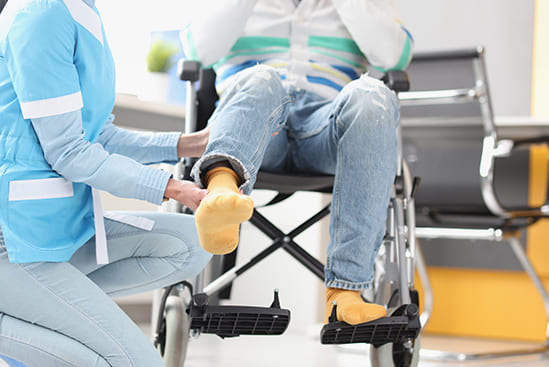


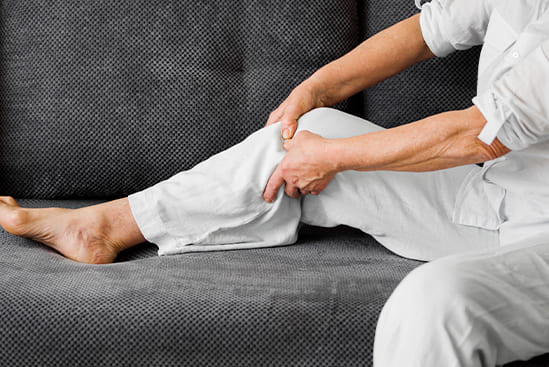
Joint degeneration and inflammation happens as the human body grows older, but that does not mean our way of life degenerates as well. Relief your joint pains with a joint effort together with your physiotherapist, who will provide pain-relief treatments and prescribe exercises for your wellbeing.

Common conditions in the older age population include hips & knee pain, back & neck pain, osteoarthritis, rheumatism, fear of falling and many more. Aging and degeneration of bodily function is inevitable, but here at Synapse, we will help you live the best of your life.