Synapse Physiotherapy | Physio Center | Rehab Malaysia
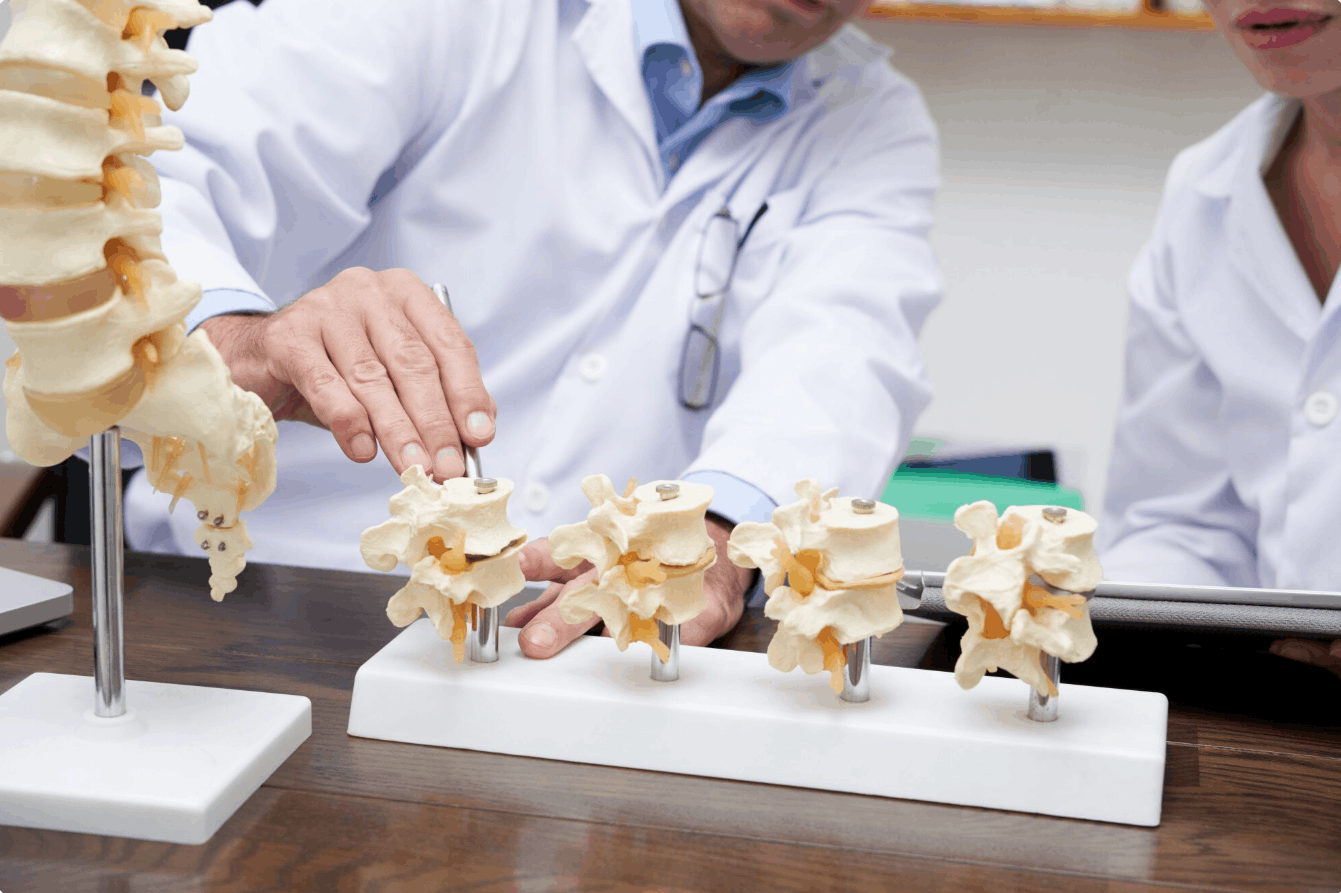
When back pain, neck pain or spinal stiffness starts affecting your daily routine, it is normal to wonder whether treatment is safe. Many people hesitate before seeking care because they worry about pain, injury, surgery or making their condition worse. However, when treatment is guided by proper assessment, professional care and a personalised plan, spine treatment can be safe, structured and effective.
A spine specialist helps identify the possible cause of pain before recommending treatment. This matters because spinal discomfort can come from different issues, including poor posture, muscle strain, disc irritation, nerve compression, joint stiffness, sports injury or long hours of sitting. At Synapse Physiotherapy, patients can receive guided assessment and physiotherapy support for spine-related concerns, especially when pain affects mobility, posture and function.
Most spine conditions do not need surgery. In many cases, conservative care such as physiotherapy, rehabilitation exercises, movement correction and pain management can help reduce symptoms and improve long-term recovery. The key is choosing the right treatment based on your condition, not simply following general advice. According to the NHS guide to physiotherapy, physiotherapy can help restore movement and function when someone is affected by injury, illness or disability.
Spine treatment refers to different methods used to reduce pain, improve movement and restore daily function. The treatment plan depends on the cause of the problem, the severity of symptoms and the patient’s physical condition.
Common spine treatment methods may include:
For many patients, physiotherapy is one of the first treatment options because it is non-invasive and can be adjusted according to the person’s pain level, strength and recovery progress. A spine specialist may recommend physiotherapy when the goal is to improve mobility, reduce stiffness, strengthen weak muscles and prevent recurring pain.
At Synapse Physiotherapy, services such as spine and core rehabilitation are designed to support patients with back, neck and posture-related concerns through structured rehabilitation.
Spine treatment is safest when it begins with a proper assessment. Back pain is not always caused by the same problem, even when symptoms feel similar. Two people may both experience lower back pain, but one may have muscle strain while another may have nerve irritation or poor movement control.
A spine specialist usually looks at several factors before recommending care. These may include your medical history, pain location, movement pattern, posture, flexibility, strength, daily activities and previous injuries. This helps determine whether your symptoms are likely related to muscles, joints, nerves, discs or lifestyle factors.
Accurate assessment is important because the wrong treatment may delay recovery. For example, someone with muscle weakness may need strengthening, while someone with acute irritation may first need pain reduction and gentle movement. A personalized approach helps reduce unnecessary risks and supports safer progress.
This is why patients should avoid relying only on online exercises or general advice when pain is persistent, worsening or affecting normal movement.
Physiotherapy is generally safe for many spine conditions when performed by a qualified physiotherapist. It uses physical methods such as exercise, movement training, manual techniques and education to help restore function and reduce pain.
During treatment, the physiotherapist will usually explain what is happening, guide the patient through suitable exercises and monitor how the body responds. If a movement increases pain too much, the plan can be adjusted. This makes physiotherapy highly adaptable to different recovery stages.
Some mild soreness may happen after starting exercises, especially if the body has been inactive or stiff for a long time. However, treatment should not feel aggressively painful. Good physiotherapy focuses on gradual progress, not forcing the body beyond its tolerance.
Patients with spine-related discomfort may also benefit from pain management physiotherapy when pain affects walking, sitting, sleeping or work performance.
Manual therapy can be safe when performed by trained professionals after proper screening. It may include joint mobilisation, soft tissue treatment and guided movement techniques. These methods aim to reduce stiffness, improve mobility and support comfort during rehabilitation.
However, manual therapy is usually not used alone. Long-term improvement often depends on active rehabilitation, which means the patient also participates in exercises and lifestyle changes. A spine specialist may combine manual therapy with strengthening, stretching, posture advice and movement correction.
Exercise is also commonly misunderstood. Many people think movement will damage the spine further, but complete rest can sometimes increase stiffness and weakness. The safer approach is controlled movement based on professional guidance. A physiotherapist may begin with gentle exercises before progressing to strength, balance and functional training.
This helps the body regain confidence and reduces the fear of movement.
You should consider seeing a spine specialist if your pain does not improve, keeps returning or begins to interfere with your daily life. Early care can help prevent small issues from becoming long-term problems.
You may need professional assessment if you experience:
If symptoms are affecting your confidence or mobility, a spine specialist can help you understand what may be causing the pain and what treatment options are suitable.
For patients who want guided care from qualified professionals, the Synapse Physiotherapy team can provide assessment, treatment planning and rehabilitation support.
Most back and neck pain is not an emergency, but certain symptoms should be assessed immediately. These warning signs may suggest a more serious condition that needs urgent medical care.
Seek medical attention if you experience:
These symptoms should not be ignored. A spine specialist or medical professional can determine whether further investigation is needed.
Choosing the right provider is one of the most important steps in safe spine care. A good clinic should not rush into treatment without understanding your condition. Instead, it should assess your symptoms, explain possible causes and create a clear recovery plan.
When choosing spine care, look for:
The goal of treatment should not only be short-term relief. It should also help you move better, build strength and reduce the risk of future problems.
Spine treatment should not be excessively painful. Some exercises or techniques may cause mild discomfort, especially during early recovery, but your physiotherapist should adjust the plan according to your tolerance.
No. Many spine problems can be managed with conservative care such as physiotherapy, exercise rehabilitation, posture correction and pain management. Surgery is usually considered only for specific conditions or when serious symptoms are present.
Yes. Physiotherapy can help improve movement, reduce stiffness, strengthen supporting muscles and guide safer recovery for many neck and back pain conditions.
The recovery timeline depends on the cause of pain, severity of symptoms, lifestyle factors and consistency with treatment. Some patients improve within a few sessions, while chronic or post-injury cases may need a longer plan.
If you have persistent pain, nerve symptoms, weakness or pain after injury, it is safer to seek assessment before starting exercises. A spine specialist can recommend movements that suit your condition.
So, is spine treatment safe? For most patients, the answer is yes when treatment is based on proper assessment, professional guidance and a personalised rehabilitation plan. A spine specialist can help identify the likely cause of pain, recommend safe treatment options and monitor progress throughout recovery.
Physiotherapy is often a practical and non-invasive option for back pain, neck stiffness, posture-related discomfort and movement limitations. With the right plan, patients can reduce pain, improve mobility, rebuild strength and return to daily activities with better confidence.
If you are experiencing persistent back or neck pain, visit Synapse Physiotherapy for professional support, or get in touch to book an appointment and begin your recovery journey safely.
Tags :







Joint degeneration and inflammation happens as the human body grows older, but that does not mean our way of life degenerates as well. Relief your joint pains with a joint effort together with your physiotherapist, who will provide pain-relief treatments and prescribe exercises for your wellbeing.

Common conditions in the older age population include hips & knee pain, back & neck pain, osteoarthritis, rheumatism, fear of falling and many more. Aging and degeneration of bodily function is inevitable, but here at Synapse, we will help you live the best of your life.