Synapse Physiotherapy | Physio Center | Rehab Malaysia
If you have been searching for dry needling to relieve persistent IT band or knee pain, you are certainly not alone in your pursuit of relief. Lateral knee pain, significant tightness along the outer thigh, or sharp discomfort during activities like running, squatting, or even climbing stairs are common complaints among active individuals and office workers alike. Synapse Physiotherapy makes the difference through our specialised rehabilitation services, including the precise application of dry needling near me, designed to bring these moments of recovery together with comfort, balance, and flow. Rather than leaving your physical health to chance, we shape each treatment journey with intentional pacing and clinical expertise that allow you to truly be present in your daily life.
The iliotibial (IT) band is a thick, durable band of connective tissue that runs from the hip down the outer thigh to the knee. Its primary role is to stabilise both the hip and knee joints during various movements. However, problems frequently arise when the IT band becomes excessively tight or when the surrounding musculature becomes overworked or weak. Common symptoms of this condition include pain on the outer side of the knee, persistent tightness along the thigh, and discomfort that worsens during cycling, running, or prolonged walking.
Interestingly, despite the common terminology, IT band pain is rarely caused by the band itself, which is dense and non-contractile. More often, the root of the problem originates from myofascial trigger points, significant muscle imbalances, or mechanical overload in surrounding muscles such as the gluteus medius, tensor fasciae latae (TFL), quadriceps, or hamstrings. When looking for dry needling near me, it is essential to find a clinic that understands these complex biomechanical relationships.
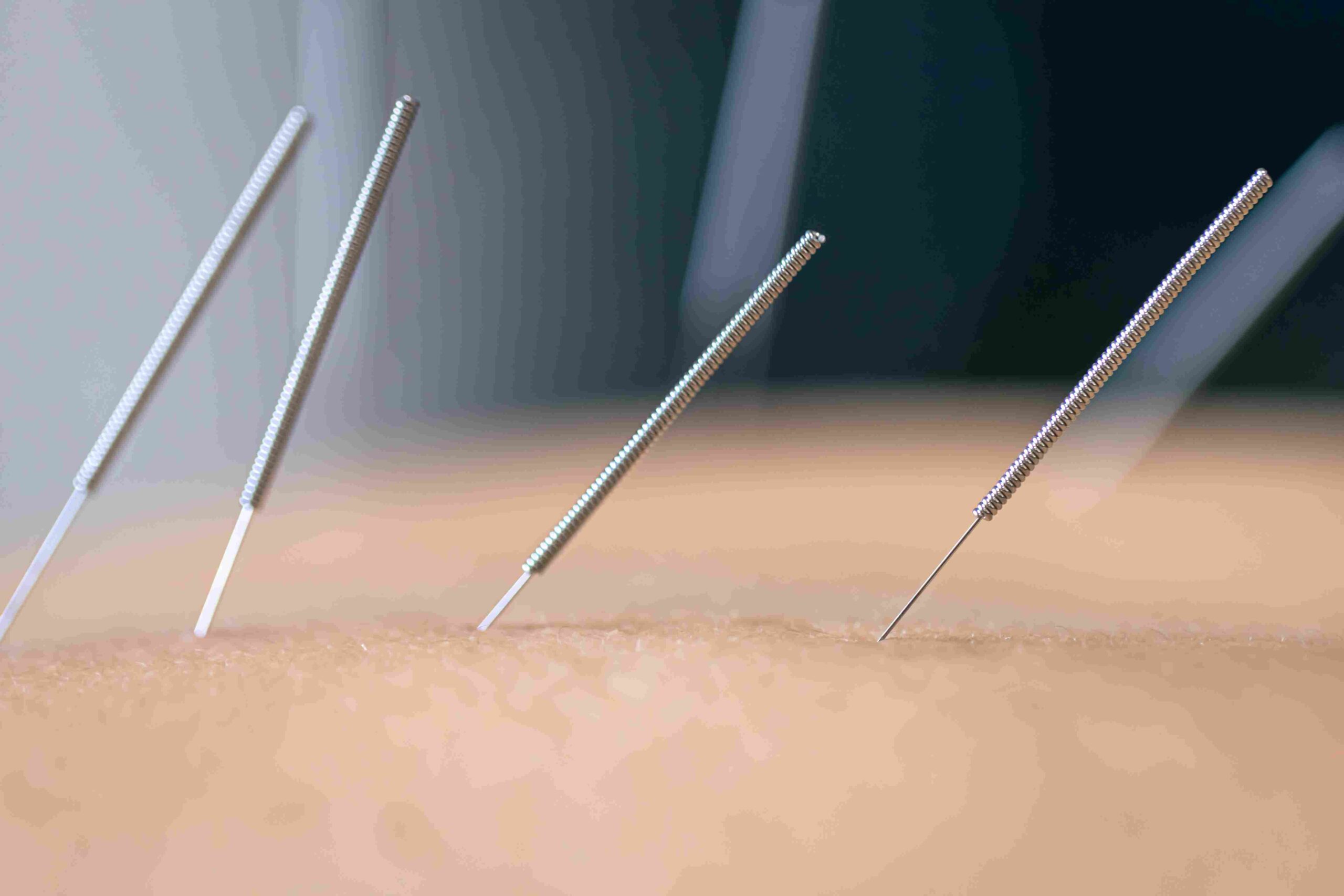
Dry needling is a modern physiotherapy technique that utilises thin, sterile needles to target myofascial trigger points; which are essentially tight, sensitive knots within the muscles that cause pain and restrict movement. Unlike traditional acupuncture, dry needling is rooted in modern anatomy, biomechanics, and pain science. The needle is inserted directly into the affected muscle tissue to achieve several clinical goals:
The American Physical Therapy Association defines dry needling as a skilled intervention that uses a thin filiform needle to penetrate the skin and stimulate underlying myofascial trigger points. For individuals searching for dry needling near me, it is important to understand that the technique is most effective when performed by a professional team of trained physiotherapists who understand injury mechanisms.
Many patients assume the needle goes into the IT band itself, but because it consist of dense connective tissue, it cannot be “needled” in the traditional sense. Instead, the treatment focuses on the muscles that influence IT band tension and overall knee mechanics. By releasing overactive muscles like the TFL and gluteus maximus, a physiotherapist can significantly reduce the “pulling” strain at the knee.
Furthermore, dry needling near me helps deactivate trigger points that might be referring pain to the outer knee, mimicking IT band syndrome. When muscles are inhibited by pain, movement patterns become inefficient; dry needling helps restore proper muscle firing, which is crucial for long-term recovery. When you visit Synapse Physiotherapy, we integrate this technique with strengthening and mobility exercises to enhance your overall rehabilitation results.
If you have tried rest, stretching, or massage with limited success, dry needling near me may be the missing link in your recovery process. It is commonly and effectively used for:
If you are considering booking dry needling near me, a typical session at a professional clinic involves a structured approach to ensure safety and efficacy. It begins with a thorough assessment where your physiotherapist examines your posture, walking or running mechanics, and hip and knee strength. This ensures the treatment targets the true source of your pain rather than just the symptoms.
During the treatment, fine needles are inserted into specific muscles around the hip or thigh. You may feel a brief twitch or a dull ache, which is a normal and often beneficial physiological response. Following the session, it is common to experience mild soreness or a “heavy” feeling in the muscle for 24 to 48 hours, similar to the feeling after an intense workout. To maintain the benefits, you will be guided through stretches and strengthening exercises.
A common question for those searching for dry needling near me is whether the procedure is safe. The short answer is yes: Dry Needling is Safe when performed by a qualified and trained physiotherapist using single-use sterile needles. However, it may not be suitable for everyone, particularly those with a severe needle phobia, certain bleeding disorders, or active infections in the treatment area. Your therapist will always screen for these contraindications before beginning.
While some patients notice a significant improvement within just one or two sessions, the total number of sessions required varies based on the severity and duration of your symptoms. It is important to remember that while stretching and foam rolling can help maintain flexibility, they often fail to reach the deeper trigger points that contribute to chronic pain. Dry needling near me targets these deeper structures more precisely.
However, dry needling is not intended to be a standalone cure. Long-term improvement depends on correcting strength deficits, adjusting movement patterns, and managing training loads. This is why finding the right dry needling near me involves looking for a clinic that focuses on long-term recovery and active rehabilitation.
No. While they use similar needles, dry needling is based on Western medical principles and modern anatomy to treat musculoskeletal pain, whereas acupuncture is based on Traditional Chinese Medicine.
This varies depending on your activity level and the severity of your condition. Some feel better after 1-2 sessions, while others require a short course alongside rehabilitation.
It is very common to feel mild soreness or muscle heaviness for 24-48 hours after your session of dry needling near me, much like post-exercise soreness.
Your physiotherapist will guide you through specific stretches and movements. Generally, it is best to allow the initial soreness to settle before returning to high-intensity training.
Yes, especially if the pain is related to muscle trigger points or imbalances that have not responded to traditional rest or stretching.
IT band and knee pain can be incredibly frustrating, especially when it limits your ability to stay active or enjoy your favourite hobbies. Finding quality dry needling near me offers an evidence-based way to reduce pain, release tight muscles, and support a faster return to activity. At Synapse Physiotherapy, our professional team is dedicated to helping you move better and perform better through personalised, physiotherapy-led rehabilitation. If you are ready to address the root cause of your discomfort, don’t wait for the pain to worsen. Book a consultation with us today and discover how our integrated approach can help you return to activity with confidence.
Tags :

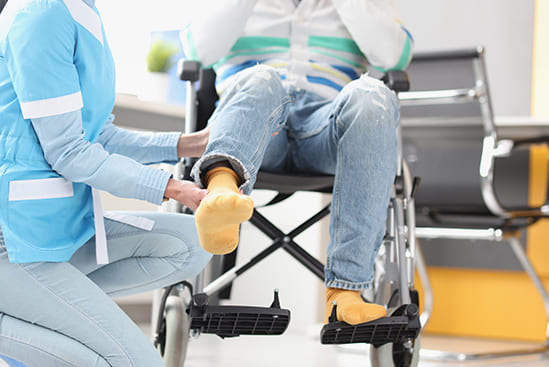
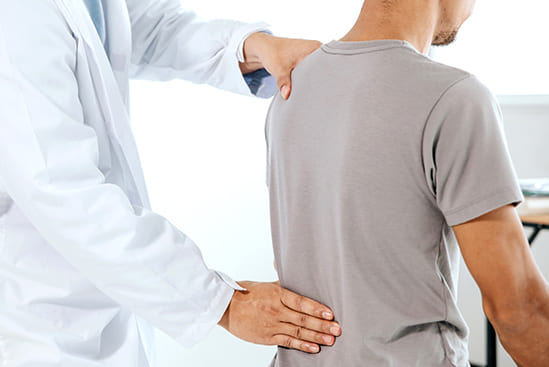

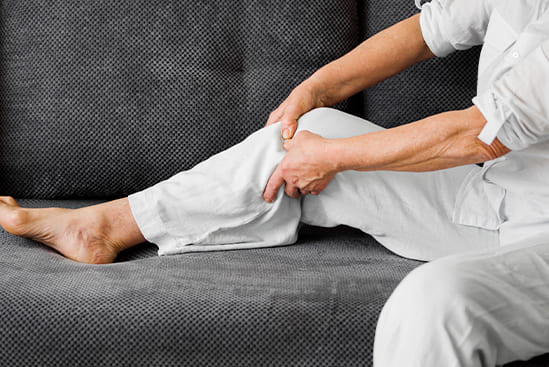
Joint degeneration and inflammation happens as the human body grows older, but that does not mean our way of life degenerates as well. Relief your joint pains with a joint effort together with your physiotherapist, who will provide pain-relief treatments and prescribe exercises for your wellbeing.
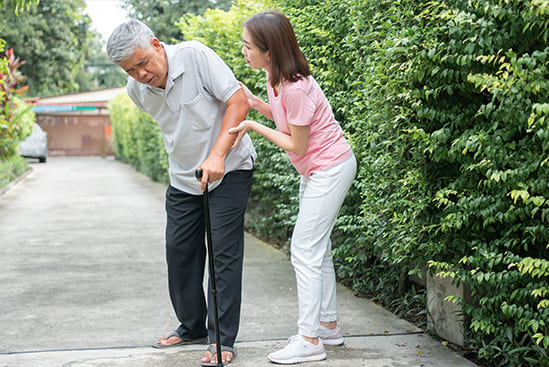
Common conditions in the older age population include hips & knee pain, back & neck pain, osteoarthritis, rheumatism, fear of falling and many more. Aging and degeneration of bodily function is inevitable, but here at Synapse, we will help you live the best of your life.