Synapse Physiotherapy | Physio Center | Rehab Malaysia

Muscle strains and tears are among the most common injuries seen in active individuals, from recreational exercisers to elite athletes. Whether it is a hamstring pull during a sprint, a calf strain from a sudden jump, or a shoulder tear from repetitive overhead activity, these injuries can significantly disrupt performance and daily life. Finding a specialised sport injury clinic is crucial for anyone looking to return to their peak physical condition safely and efficiently. Unlike general healthcare settings, these clinics focus on the mechanics of the injury to ensure a full restoration of function.
This is where Synapse Physiotherapy makes the difference through their well-crafted Sport Injuries Solution, designed to bring recovery and performance together with comfort, balance, and flow. Rather than rushing through the healing process, our sport injury clinic shapes each journey with intentional pacing, seamless transitions, and carefully chosen rehabilitation techniques that allow you to truly be present in your recovery.
Muscle injuries typically occur when a muscle is exposed to forces beyond its capacity. This can happen during sudden acceleration, deceleration, overstretching, or repetitive overload without adequate recovery. At a professional sport injury clinic, these injuries are clinically classified into three distinct grades to determine the best treatment path:
Accurate grading is essential because it determines the appropriate treatment strategy and recovery timeline. By visiting a sport injury clinic, you ensure that your injury is diagnosed correctly from the start.
Treatment at a sport injury clinic begins with a detailed assessment. Sports clinicians take a thorough history, asking about the mechanism of injury, training load, previous injuries, and current activity demands. This is followed by a physical examination assessing pain, swelling, range of motion, strength, and movement quality.
Functional testing plays a major role in this process. Instead of only testing the injured muscle in isolation, experts at a sport injury clinic observe how the body moves as a whole—walking, squatting, lunging, or performing sport-specific actions. This helps identify contributing factors such as poor load distribution, muscle imbalances, or faulty movement patterns. When necessary, imaging such as ultrasound or MRI may be recommended to confirm the severity or exact location of a tear.
In the acute phase of an injury, the priority at a sport injury clinic is to protect the injured tissue while controlling pain and inflammation. Contrary to outdated beliefs, complete rest is rarely advised; instead, clinics promote “relative rest,” meaning the avoidance of aggravating activities while maintaining safe movement.
Early management strategies at a sport injury clinic may include activity modification, gentle pain-free movement to maintain circulation, and compression or supportive taping. The goal at this stage is to create an optimal environment for healing without allowing the muscle to weaken unnecessarily.
Exercise-based rehabilitation is the cornerstone of muscle strain and tear treatment in a sport injury clinic. Once pain is controlled, our professional team introduces a structured, progressive programme tailored to the injury and the individual’s specific goals. Rehabilitation typically progresses through several phases:
Progression in a sport injury clinic is guided by objective measures such as strength testing and movement quality rather than rigid timelines.
Many sport injury clinic settings incorporate manual therapy as a supportive tool. In fact, research available via PubMed Central indicates that manual therapy techniques not only reduce pain but also aid in the proper alignment of collagen fibres during the repair process. Techniques such as soft tissue mobilisation, joint mobilisation, or myofascial release can help reduce pain and improve mobility. Other adjunct treatments used in a sport injury clinic may include dry needling for muscle tone modulation, taping for proprioceptive support, or shockwave therapy for chronic conditions. Importantly, these treatments complement active rehabilitation rather than replacing it.
One of the defining features of care at a sport injury clinic is injury prevention. Muscle strains often recur because underlying issues, such as poor flexibility or strength imbalances, are not addressed. A sport injury clinic assesses and corrects these factors by improving movement mechanics, enhancing core strength, and educating patients on proper warm-ups and load progression. This holistic approach significantly reduces the risk of future injury.
Returning to sport too early is a common reason muscle injuries become chronic. A sport injury clinic uses clear criteria to guide return-to-play decisions, ensuring the muscle can tolerate sport-specific demands. Testing may include strength benchmarks, endurance testing, and agility drills. Beyond recovery, many clinics focus on performance optimisation, helping individuals move more efficiently than before their injury. This comprehensive care is why a sport injury clinic makes such a significant difference in long-term health.
You will undergo a thorough assessment including your injury history, a physical exam, and functional movement testing to determine a personalised recovery plan.
Not always; many muscle injuries can be effectively diagnosed and managed clinically at a sport injury clinic without the need for imaging.
Recovery timelines vary based on the extent of fibre damage, but a sport injury clinic uses objective benchmarks to guide your safe return to activity.
No, modern sport injury clinic protocols favour “relative rest,” encouraging gentle, pain-free movement to promote circulation and healing.
Yes, by addressing movement mechanics, muscle imbalances, and training loads help to reduces the likelihood of re-injury.
Muscle strains and tears are rarely just isolated tissue problems; they are often the result of how the body moves, trains, and adapts to load over time. A sport injury clinic is uniquely equipped to manage this complexity by combining accurate diagnosis, individualised rehabilitation, and long-term prevention strategies.
For anyone serious about their recovery and long-term physical health, the specialised approach of our professional team can make all the difference. Don’t let a muscle injury keep you on the sidelines. Book a consultation with our sport injury clinic today to experience our expert Sport Injuries Solution and get back to the sports you love.
Tags :



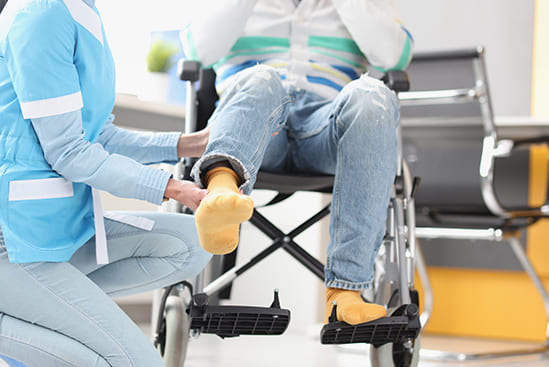


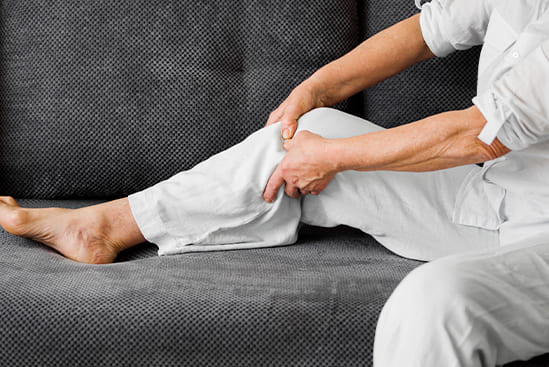
Joint degeneration and inflammation happens as the human body grows older, but that does not mean our way of life degenerates as well. Relief your joint pains with a joint effort together with your physiotherapist, who will provide pain-relief treatments and prescribe exercises for your wellbeing.

Common conditions in the older age population include hips & knee pain, back & neck pain, osteoarthritis, rheumatism, fear of falling and many more. Aging and degeneration of bodily function is inevitable, but here at Synapse, we will help you live the best of your life.