Posted on

Why Home Physiotherapy is Ideal for Elderly Patients

Home Physiotherapy
Home Physiotherapy
Home Physiotherapy

Introduction

As people age, mobility issues, chronic pain, and physical limitations can become a part of daily life. For elderly individuals, maintaining physical health is crucial for preserving independence and enhancing quality of life. Home physiotherapy provides a convenient and effective solution, allowing seniors to receive professional care in the comfort of their homes. This article explores the benefits of home physiotherapy for elderly patients and why it is an ideal choice for their healthcare needs.

The Growing Need for Physiotherapy in the Elderly

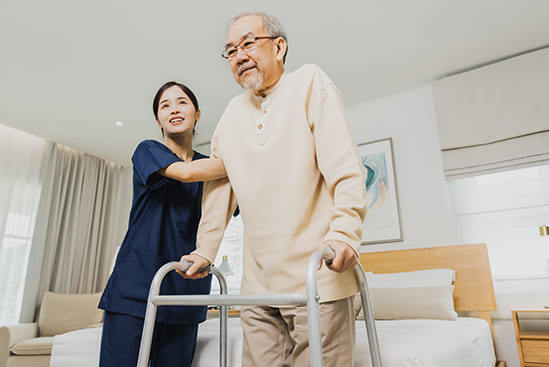
Aging often brings various musculoskeletal and neurological conditions such as arthritis, osteoporosis, stroke, and Parkinson’s disease. Regular physiotherapy can help manage these conditions, improve mobility, reduce pain, and prevent further deterioration. However, many seniors face difficulties traveling to a clinic due to mobility constraints, transportation challenges, or general discomfort. Home physiotherapy eliminates these barriers, ensuring they receive the necessary care without additional stress.

Key Benefits of Home Physiotherapy for Seniors

1. Enhanced Physical Function and Flexibility

As aging progresses, stiffness in joints and muscles can reduce overall mobility. Home physiotherapy incorporates stretching, strength-building exercises, and movement techniques to enhance flexibility. Improved physical function enables seniors to perform daily activities with greater ease, contributing to a higher quality of life.

2. Support for Chronic Condition Management

Elderly individuals often experience chronic health conditions such as diabetes, heart disease, and respiratory issues, which can affect movement and energy levels. Physiotherapists tailor exercises to support cardiovascular health, improve respiratory function, and maintain overall well-being, helping seniors stay active despite chronic illnesses.

3. Better Coordination and Balance

Poor coordination and balance can make even routine tasks more challenging and increase the risk of falls. Home physiotherapy includes exercises that enhance body awareness, strengthen core muscles, and improve balance, helping seniors move with greater confidence and reducing the likelihood of accidents.

4. Relief from Joint Stiffness and Muscle Weakness

Many seniors suffer from stiffness and muscle weakness due to prolonged inactivity or conditions like arthritis. Physiotherapists use gentle mobility exercises, massage techniques, and guided movements to alleviate stiffness, restore range of motion, and strengthen muscles for better overall function.

5. Boosted Mental Well-being and Confidence

Loss of mobility and physical discomfort can lead to emotional stress, anxiety, and even depression. Engaging in physiotherapy helps release endorphins, the body’s natural mood enhancers, which reduce stress and improve mental health. With regular sessions, seniors regain confidence in their movements and enjoy a more active lifestyle.

6. Faster Recovery from Surgery or Injury

Post-surgical recovery requires careful rehabilitation to regain strength and prevent complications. Home physiotherapy supports seniors after procedures such as hip or knee replacements, guiding them through safe exercises that aid recovery while minimizing pain and stiffness.

7. Prevention of Mobility Decline

As seniors age, reduced activity levels can contribute to a steady decline in mobility and strength. Home physiotherapy provides structured exercises that help maintain movement capacity, ensuring that elderly individuals stay as independent as possible for longer.

Consistency is crucial!

Research shows that bone healing, muscle development, nerve repair, and motor skills require time to progress. Only through consistent repetitions and exercises over time can these tissues and systems develop and adjust in a way that supports functional movements, ultimately aiding in the recovery of maximum independence. Whether it’s regular physiotherapy sessions or daily home exercises guided by a caregiver, ensuring your loved one stays active according to the physiotherapist’s recommendations will significantly contribute to their recovery journey.

How can family members support the elderly’s home physiotherapy?

You can play an essential role by:

  • Assisting with balance exercises and providing supervision;
  • Retrieving necessary exercise equipment for those with mobility challenges;
  • Taking your loved one outdoors for fresh air, whether by walking or using a wheelchair;
  • Encouraging independence with light self-care tasks such as face washing, hair combing, or cleaning up after meals;
  • Offering verbal encouragement and positive reinforcement.

If you’re unable to attend the physiotherapy sessions in person, stay in contact with the therapist via phone or messaging apps like WhatsApp to get advice on how to assist effectively.

How to Choose the Right Home Physiotherapist

When selecting a home physiotherapist for an elderly loved one, consider the following factors:

  • Qualifications and Experience: Ensure they are certified and have experience in geriatric physiotherapy.
  • Personalized Approach: The therapist should assess the patient’s specific needs and tailor the treatment accordingly.
  • Reputation and Reviews: Look for recommendations, testimonials, and ratings from other patients.
  • Availability and Flexibility: Choose a professional who can accommodate the senior’s schedule and needs.


Conclusion

Home physiotherapy is a practical and beneficial solution for elderly patients who require physical rehabilitation, pain management, and mobility improvement. It offers personalized care, enhances safety, promotes independence, and eliminates the stress associated with clinic visits. By opting for home physiotherapy, seniors can enjoy a better quality of life while receiving expert healthcare in the comfort of their own homes.

At Synapse Physiotherapy, we specialize in providing home physiotherapy services tailored to meet the unique needs of elderly patients. Our experienced professionals offer personalized treatment plans that prioritize comfort, convenience, and effective rehabilitation. If you or a loved one needs physiotherapy, consider Synapse Physiotherapy for expert home-based care that supports long-term health and independence.

Share This :

Back & Neck Pain

Conditions such as stiffness, postural abnormalities and muscle overuse from prolonged desk work at the office or home is more prevalent than most would think. We provide the necessary tools to fix you up and educate you on ergonomics which can unload unnecessary stress.

Sports Injuries

Rolled ankles, jarred knees, impinged shoulders are few conditions in the plethora of sports injuries which can hamper performance and limit our enjoyment of sports. Physiotherapy not only treats the symptoms of these conditions but propels your overall fitness to greater heights.

Work Desk Injuries​

Conditions such as stiffness, postural abnormalities and muscle overuse from prolonged desk work at the office or home is more prevalent than most would think. We provide the necessary tools to fix you up and educate you on ergonomics which can unload unnecessary stress.

Pre-Post-Surgical Conditions

Surgery involves going through preparation both before and after. Physiotherapists play a vital role in getting your body ready for surgeries with circulatory, breathing and strengthening exercises. After the procedure, let us be there for your recovery and rehabilitation, taking it one step at a time.

Scoliosis & Postural Abnormalities

The way we stand, sit, walk and sleep has influence over our posture and the overall balance of muscles controlling its alignment. A comprehensive screening can be done by our physiotherapists to detect abnormalities, which we will aid in correcting.

Neurological Conditions

Neurological disabilities such as stroke, nerve compression and neuropathies can be barriers for patients to live life to its fullest. We at Synapse are committed to help you overcome these hurdles by ensuring functional mobility and quality of life is at its optimum by providing the right treatment and exercises.

Osteoarthritis & Rheumatism

Joint degeneration and inflammation happens as the human body grows older, but that does not mean our way of life degenerates as well. Relief your joint pains with a joint effort together with your physiotherapist, who will provide pain-relief treatments and prescribe exercises for your wellbeing.

Conditions Relating To Elderly

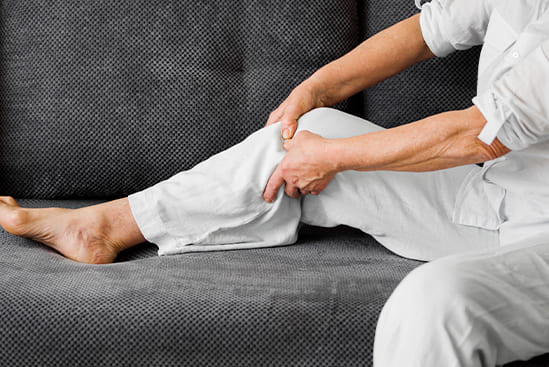
Common conditions in the older age population include hips & knee pain, back & neck pain, osteoarthritis, rheumatism, fear of falling and many more.  Aging and degeneration of bodily function is inevitable, but here at Synapse, we will help you live the best of your life.
Home Physiotherapy

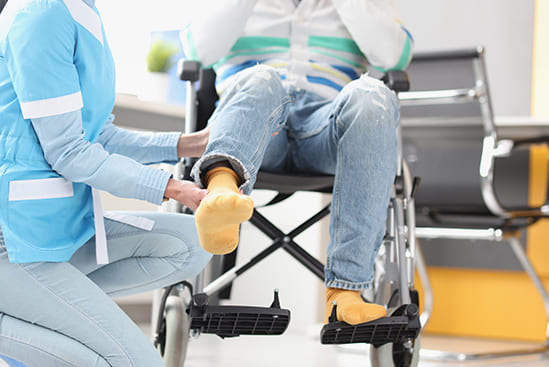
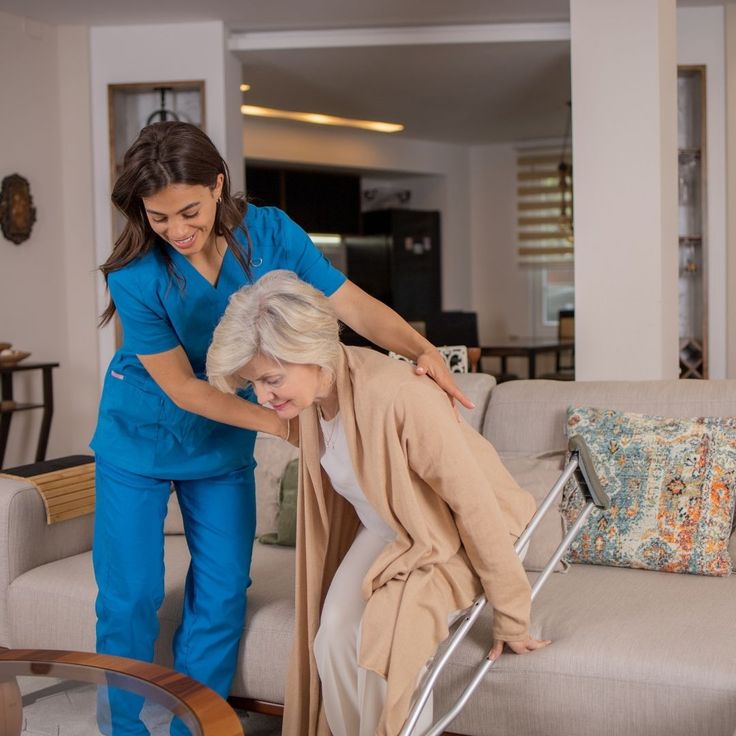
We understand that some conditions or injuries can make it difficult to receive rehabilitation at our clinic be it mobility or transportation issues. Our objective is to provide you with the same high-quality physiotherapy services at home that you would receive in-clinic.
Posted on

Why Home Physiotherapy Is Becoming a Popular Choice

Home Physiotherapy
Home Physiotherapy
Home Physiotherapy, Synapse Physiotherapy

Why Home Physiotherapy Is Becoming a Popular Choice

Introduction

In recent years, home physiotherapy has gained significant popularity as more people seek convenient and personalized healthcare solutions. With the rise of remote healthcare services and advancements in medical technology, home-based physiotherapy is proving to be an effective alternative to traditional clinic visits. Whether recovering from an injury, managing chronic pain, or undergoing post-surgery rehabilitation, home physiotherapy offers numerous benefits that contribute to faster recovery and improved patient outcomes.

What Is Home Physiotherapy?

Home physiotherapy is a specialized form of physical therapy that delivers treatment directly to patients in their own homes. Unlike traditional physiotherapy, which requires individuals to travel to a clinic or hospital, homecare physiotherapy allows a licensed physiotherapist to visit and provide care in a familiar and comfortable setting. This approach is particularly beneficial for elderly patients, individuals with limited mobility, and those recovering from surgery or injuries.

Benefits of home physiotherapy 

1. Enhanced Comfort and Relaxation

Receiving treatment in the comfort of one’s home creates a relaxed and stress-free environment. A familiar setting allows patients to feel at ease, which can enhance the effectiveness of physiotherapy sessions. The absence of distractions typically found in clinical settings enables a greater focus on treatment, potentially leading to faster progress and better results.

2. Stress-Free and Convenient Treatment

Many individuals find clinical settings intimidating or stressful. Home physiotherapy eliminates the hassle of commuting, waiting times, and other inconveniences associated with in-clinic visits. Without these stressors, patients can focus entirely on their recovery, leading to a more seamless and enjoyable treatment experience.

3. Tailored and Personalized Care

Physiotherapy is not just about performing exercises—it also involves education and adapting treatments to suit individual needs. When therapy is conducted at home, physiotherapists can assess the patient’s living space and provide recommendations on modifications that promote safer mobility. For individuals with mobility challenges, therapy can be specifically tailored to daily activities within their home, making rehabilitation more practical and relevant.

Additionally, home physiotherapists often manage fewer patients compared to clinic-based professionals. This allows them to dedicate more time per session, ensuring comprehensive care and thorough treatment.

4. Overcoming Barriers to Treatment

Many people who require physiotherapy face obstacles that prevent them from seeking treatment. Whether due to transportation issues, limited mobility from an injury or disability, or health conditions that make travel difficult, these challenges often delay or prevent access to necessary care. Home physiotherapy removes these barriers, making treatment accessible to those who might otherwise struggle to receive care.

5. Safe and Ideal for High-Risk Individuals

For patients with compromised immunity, chronic illnesses, or disabilities, visiting a clinic can pose health risks. Exposure to infections in public spaces can be a major concern for high-risk individuals. By opting for home physiotherapy, these patients can receive the necessary treatment in a safe and controlled environment, minimizing their risk of illnesses while still benefiting from professional care.

6. Time Efficiency and Scheduling Flexibility

Home physiotherapy is designed to accommodate the patient’s schedule, making it a highly convenient option. Appointments can be scheduled at flexible times that suit the patient’s daily routine, and sessions can even be conducted at alternative locations, such as the workplace if needed. Moreover, eliminating travel time and clinic waiting periods allows patients to maximize their time while still prioritizing their health and recovery.

7. Cost Savings Over Time

While some may assume home physiotherapy is more expensive, it can actually be a cost-effective option in the long run. The elimination of transportation expenses, parking fees, and time away from work can result in overall savings. Even if travel distances are short, recurring trips to a clinic can accumulate costs over time, making in-home therapy a financially viable alternative.

How to Choose the Right Home Physiotherapy Service

If you’re considering home physiotherapy, it’s essential to choose a qualified and reputable service provider. Here are some key factors to consider:

  • Qualifications and Experience – Ensure that the physiotherapist is licensed and has relevant experience in treating your specific condition.
  • Reviews and Recommendations – Check online reviews or seek recommendations from healthcare professionals and friends.
  • Treatment Approach – Ask about the treatment techniques and whether they align with your rehabilitation goals.
  • Availability and Flexibility – Choose a service that fits your schedule and offers flexibility in case of emergency sessions.
  • Cost and Insurance Coverage – Verify whether the service is covered by insurance or if they offer affordable pricing options.

What to Expect During a Home Physiotherapy Session

1. Assessment and Treatment Planning

At the beginning of the first session, the physiotherapist conducts a comprehensive assessment of the patient’s condition. This includes evaluating mobility, strength, flexibility, and any specific concerns through a physical examination and range of motion tests. Based on this assessment, a personalized treatment plan is created to address the patient’s needs and goals.

2. Guided Therapy Sessions

Following the treatment plan, physiotherapy sessions are scheduled—typically on a weekly basis. During these sessions, the therapist demonstrates tailored exercises and therapeutic techniques designed to improve movement and reduce pain. Patients are encouraged to perform these exercises regularly to maximize their benefits and accelerate recovery.

3. Tracking Progress and Adjustments

Throughout the treatment process, the physiotherapist monitors the patient’s progress, providing continuous feedback and making adjustments as needed. Regular follow-ups help ensure that the treatment remains effective and is modified according to the patient’s improvements or challenges.


4. Home Exercise and Self-Care

During each session, patients receive guidance on proper techniques and home exercises to continue practicing between visits. The therapist may recommend specific equipment or household modifications to enhance safety and mobility. Consistently following these exercises helps reinforce the benefits of therapy and supports long-term recovery.

5. Ongoing Communication and Support

Effective communication between the patient and the physiotherapist is key to successful treatment. Patients should openly discuss their progress, any discomfort, and concerns to ensure the treatment plan is continuously refined. By actively engaging in the process and following professional guidance, patients can optimize their rehabilitation outcomes.

Conclusion

Home physiotherapy is a practical and effective way to receive quality care while enjoying the comfort of home. It eliminates travel hassles, offers personalized treatment, and is ideal for those with mobility issues or busy schedules. Synapse Physiotherapy provides expert home physiotherapy services tailored to your needs, ensuring a seamless recovery journey. Contact them today for professional care that prioritizes your health and well-being.

Share This :

Back & Neck Pain

Conditions such as stiffness, postural abnormalities and muscle overuse from prolonged desk work at the office or home is more prevalent than most would think. We provide the necessary tools to fix you up and educate you on ergonomics which can unload unnecessary stress.

Sports Injuries

Rolled ankles, jarred knees, impinged shoulders are few conditions in the plethora of sports injuries which can hamper performance and limit our enjoyment of sports. Physiotherapy not only treats the symptoms of these conditions but propels your overall fitness to greater heights.

Work Desk Injuries​

Conditions such as stiffness, postural abnormalities and muscle overuse from prolonged desk work at the office or home is more prevalent than most would think. We provide the necessary tools to fix you up and educate you on ergonomics which can unload unnecessary stress.

Pre-Post-Surgical Conditions

Surgery involves going through preparation both before and after. Physiotherapists play a vital role in getting your body ready for surgeries with circulatory, breathing and strengthening exercises. After the procedure, let us be there for your recovery and rehabilitation, taking it one step at a time.

Scoliosis & Postural Abnormalities

The way we stand, sit, walk and sleep has influence over our posture and the overall balance of muscles controlling its alignment. A comprehensive screening can be done by our physiotherapists to detect abnormalities, which we will aid in correcting.

Neurological Conditions

Neurological disabilities such as stroke, nerve compression and neuropathies can be barriers for patients to live life to its fullest. We at Synapse are committed to help you overcome these hurdles by ensuring functional mobility and quality of life is at its optimum by providing the right treatment and exercises.

Osteoarthritis & Rheumatism

Joint degeneration and inflammation happens as the human body grows older, but that does not mean our way of life degenerates as well. Relief your joint pains with a joint effort together with your physiotherapist, who will provide pain-relief treatments and prescribe exercises for your wellbeing.

Conditions Relating To Elderly

Common conditions in the older age population include hips & knee pain, back & neck pain, osteoarthritis, rheumatism, fear of falling and many more.  Aging and degeneration of bodily function is inevitable, but here at Synapse, we will help you live the best of your life.

Home Physiotherapy

We understand that some conditions or injuries can make it difficult to receive rehabilitation at our clinic be it mobility or transportation issues. Our objective is to provide you with the same high-quality physiotherapy services at home that you would receive in-clinic.
Posted on

What Services Does Physiotherapy Clinic Near Me Offer?

physiotherapy clinic near me
Synapse Physiotherapy

What Services Does a Physiotherapy Clinic Near Me Offer?

If you’ve ever searched online for a professional physiotherapy clinic near me, you’re probably looking for expert help to relieve pain, recover from an injury, or improve your overall physical function. Physiotherapy clinics today offer far more than simple exercises or massage. They combine modern techniques, advanced equipment, and evidence-based treatments to help patients of all ages regain mobility and strength. Whether you’re recovering from surgery, managing a chronic condition, or experiencing everyday aches and pains, a trusted physiotherapy clinic near me can provide services tailored to meet your unique needs.

This article explores the wide range of services you can expect from a reliable physiotherapy clinic near me, from manual therapy and rehabilitation to advanced treatments such as dry needling, shockwave therapy, and posture correction. Understanding what these services involve can help you make an informed decision about where to go and what type of care you might need.

1. Comprehensive Physiotherapy Assessment

Every journey begins with a thorough assessment. A qualified physiotherapist will evaluate your medical history, symptoms, movement patterns, and pain levels to identify the root cause of your condition. This detailed analysis forms the foundation for a personalised treatment plan.

The assessment may include posture analysis, muscle strength testing, range of motion evaluation, and gait observation. Some clinics even use digital tools to measure alignment and body mechanics. The goal is not just to treat pain temporarily but to understand why it’s happening, whether it’s due to poor posture, muscle imbalance, or an old injury that never healed properly.

2. Manual Therapy and Joint Mobilisation

Manual therapy remains one of the core services offered by most physiotherapy clinics near me. It involves hands-on techniques designed to improve mobility, reduce stiffness, and restore proper movement in joints and soft tissues.

Common techniques include joint mobilisation, manipulation, and soft tissue release. These methods help increase blood flow, relax tight muscles, and enhance overall flexibility. For individuals struggling with neck pain, lower back stiffness, or shoulder tightness, manual therapy can be highly effective in providing immediate relief and improving long-term function.

3. Sports Injury Management and Rehabilitation

If you’re an active person or athlete, a physiotherapy clinic near me can play a crucial role in your performance and recovery. Physiotherapists are trained to diagnose, treat, and prevent sports-related injuries such as sprains, tendonitis, ligament tears, and muscle strains.

Treatment may involve a combination of manual therapy, exercise rehabilitation, and advanced techniques like shockwave therapy or dry needling. Physiotherapists also work closely with athletes to correct movement patterns, strengthen weak areas, and prevent re-injury. For competitive athletes, this kind of proactive care can make the difference between a short recovery and a long downtime. Learn more about sport physiotherapy services.

4. Post-Surgical Rehabilitation

After surgery, whether it’s for the knee, shoulder, hip, or spine, physiotherapy is essential for restoring function and accelerating recovery. A good physiotherapy clinic near me provides structured rehabilitation programs that help patients regain strength, balance, and mobility safely.

Physiotherapists monitor your progress closely, adjusting your exercises as you heal. Early sessions may focus on gentle range-of-motion movements, while later stages incorporate strength training and functional exercises to help you return to your daily activities or sports. The ultimate goal is to rebuild confidence in your body’s ability to move without pain or restriction.

5. Pain Management Programs

Chronic pain, such as neck pain, back pain, and shoulder discomfort, can be life-limiting. Physiotherapists specialise in pain management through a combination of manual therapy, electrotherapy, and movement re-education.

Many clinics offer modalities like ultrasound therapy, transcutaneous electrical nerve stimulation (TENS), and heat therapy to reduce inflammation and stimulate healing. Additionally, physiotherapists teach proper ergonomics, body mechanics, and lifestyle modifications to prevent pain from recurring. This holistic approach ensures lasting relief rather than temporary fixes.

Dry Needling and Trigger Point Therapy

Many modern physiotherapy clinic near me locations now offer dry needling, a technique used to release muscle tightness and reduce pain. While it may look similar to acupuncture, dry needling is based on Western medical principles and targets myofascial trigger points, small knots in muscles that cause referred pain.

When performed by a trained physiotherapist, dry needling can be effective for treating chronic neck stiffness, lower back pain, shoulder tension, and even headaches. The treatment stimulates blood flow, reduces inflammation, and promotes natural healing within the muscle tissue.

Shockwave Therapy

Another advanced service increasingly available at a physiotherapy clinic near me is shockwave therapy. This non-invasive treatment uses high-energy sound waves to stimulate tissue repair and relieve chronic pain. It’s commonly used for conditions like plantar fasciitis, tennis elbow, calcific shoulder tendinitis, and Achilles tendon pain.

Shockwave therapy promotes collagen production, breaks down scar tissue, and enhances the body’s natural healing response. It’s especially beneficial for stubborn injuries that haven’t responded well to traditional treatments. Most patients experience significant pain reduction after just a few sessions.

6. Posture Correction and Ergonomic Training

Poor posture is one of the most common causes of neck and back pain. Physiotherapists are experts in identifying postural imbalances and teaching proper alignment techniques. Through specific strengthening and stretching exercises, they can help correct forward head posture, rounded shoulders, and slouched sitting habits.

Some clinics also offer ergonomic assessments for office workers, providing recommendations on workstation setup, chair height, and computer positioning to prevent strain injuries. Small changes in posture can lead to big improvements in comfort and productivity.

7. Rehabilitation for Neurological Conditions

Physiotherapy isn’t limited to musculoskeletal issues. Many physiotherapy clinic near me facilities also provide rehabilitation for neurological conditions such as stroke, Parkinson’s disease, multiple sclerosis, and spinal cord injuries.

These programs focus on improving balance, coordination, muscle strength, and independence in daily activities. Physiotherapists use task-specific training and mobility exercises to help patients regain confidence and functionality. With consistent care, even those with significant impairments can experience meaningful improvement.

8. Women’s Health Physiotherapy

A growing number of physiotherapy clinics now offer specialised services for women’s health. These may include treatment for pelvic floor dysfunction, urinary incontinence, pregnancy-related back pain, and postnatal recovery.

Physiotherapists use a combination of exercises, manual therapy, and education to help women manage discomfort and restore pelvic health. These services are confidential, evidence-based, and tailored to each patient’s individual needs.

9. Exercise Therapy and Strength Conditioning

Exercise therapy is a cornerstone of physiotherapy. It involves targeted movements to restore strength, flexibility, and endurance. Physiotherapists design customised exercise plans that address your specific weaknesses and goals, whether you’re recovering from injury or aiming to enhance overall fitness.

Many clinics provide guided exercise sessions and educate patients on how to perform these safely at home. This empowers individuals to take an active role in their recovery and maintain long-term health improvements. According to Physiopedia, evidence-based exercise therapy is fundamental to effective rehabilitation outcomes.

Conclusion

When you search for a physiotherapy clinic near me, you’re not just looking for pain relief, you’re seeking a pathway to better movement, function, and quality of life. Physiotherapy clinics today offer a wide range of services that cater to different needs, from injury recovery and chronic pain management to posture correction and advanced therapeutic technologies.

Whether you’re an athlete, an office worker, or someone recovering from surgery, physiotherapy provides personalised care designed to help your body heal naturally and perform at its best. If you’ve been living with discomfort or restricted mobility, don’t wait, reach out to a qualified physiotherapist near you and take the first step towards lasting recovery.

Share This :

Back & Neck Pain

Conditions such as stiffness, postural abnormalities and muscle overuse from prolonged desk work at the office or home is more prevalent than most would think. We provide the necessary tools to fix you up and educate you on ergonomics which can unload unnecessary stress.

Sports Injuries

Rolled ankles, jarred knees, impinged shoulders are few conditions in the plethora of sports injuries which can hamper performance and limit our enjoyment of sports. Physiotherapy not only treats the symptoms of these conditions but propels your overall fitness to greater heights.

Work Desk Injuries​

Conditions such as stiffness, postural abnormalities and muscle overuse from prolonged desk work at the office or home is more prevalent than most would think. We provide the necessary tools to fix you up and educate you on ergonomics which can unload unnecessary stress.

Pre-Post-Surgical Conditions

Surgery involves going through preparation both before and after. Physiotherapists play a vital role in getting your body ready for surgeries with circulatory, breathing and strengthening exercises. After the procedure, let us be there for your recovery and rehabilitation, taking it one step at a time.

Scoliosis & Postural Abnormalities

The way we stand, sit, walk and sleep has influence over our posture and the overall balance of muscles controlling its alignment. A comprehensive screening can be done by our physiotherapists to detect abnormalities, which we will aid in correcting.

Neurological Conditions

Neurological disabilities such as stroke, nerve compression and neuropathies can be barriers for patients to live life to its fullest. We at Synapse are committed to help you overcome these hurdles by ensuring functional mobility and quality of life is at its optimum by providing the right treatment and exercises.

Osteoarthritis & Rheumatism

Joint degeneration and inflammation happens as the human body grows older, but that does not mean our way of life degenerates as well. Relief your joint pains with a joint effort together with your physiotherapist, who will provide pain-relief treatments and prescribe exercises for your wellbeing.

Conditions Relating To Elderly

Common conditions in the older age population include hips & knee pain, back & neck pain, osteoarthritis, rheumatism, fear of falling and many more.  Aging and degeneration of bodily function is inevitable, but here at Synapse, we will help you live the best of your life.

Home Physiotherapy

We understand that some conditions or injuries can make it difficult to receive rehabilitation at our clinic be it mobility or transportation issues. Our objective is to provide you with the same high-quality physiotherapy services at home that you would receive in-clinic.
Posted on

6 Benefits of Home Physiotherapy for Pain Relief | Synapse

Home Physiotherapy
Home Physiotherapy
Home Physiotherapy, Sports Injuries, Synapse Physiotherapy

6 Benefits of Home Physiotherapy for Pain Relief | Synapse

Physiotherapy has long been recognized as a transformative treatment method, helping countless individuals restore their strength, mobility, and overall quality of life. Traditionally, accessing physiotherapy required patients to visit clinics or hospitals. However, the rise of home-based physiotherapy is reshaping this approach, offering a convenient and effective alternative for many.

Home physiotherapy is crucial in providing care for individuals dealing with specific health challenges, particularly for those who find traveling to a clinic difficult. By bringing treatment directly to the patient’s home, physiotherapists can address individual health concerns, discuss treatment goals, and tailor their approach to foster better recovery outcomes.

Top Benefits of Home Physiotherapy for Pain Relief

  • Convenience

In today’s fast-paced world, convenience is a priority, and home physiotherapy aligns perfectly with this need. For individuals with mobility challenges or limited access to transportation, traveling to a clinic can be a significant obstacle. Home physiotherapy removes this barrier by bringing professional care directly to your doorstep.

  • Tailored, Personalized Care

Receiving physiotherapy at home gives therapists a unique opportunity to observe a patient’s daily environment, enabling them to craft treatments that are both condition-specific and adapted to the patient’s lifestyle. For example, they can factor in the home layout, the type of furniture used, or routine tasks into the therapy plan, creating a highly personalized approach that enhances recovery outcomes.

  • Better Treatment Compliance

Patients are often more relaxed and committed to their therapy when it takes place in a familiar environment. The comfort of home can enhance motivation and make it easier to stick to prescribed treatment routines. Additionally, having a therapist come to your home encourages consistency and reduces the likelihood of skipping sessions, ultimately leading to better results.

  • Lower Risk of Infection

For patients with weakened immune systems or increased vulnerability to illnesses, avoiding crowded clinics can be crucial. Home physiotherapy minimizes exposure to potential pathogens, providing a safer alternative for treatment. By staying in a controlled and familiar environment, patients can focus on their recovery without unnecessary health risks.

  • Cost-Effectiveness

While home physiotherapy may seem costlier at first glance, it often proves to be more economical in the long run. Eliminating travel expenses, reducing time away from work, and ensuring consistent treatment all contribute to better value over time. Patients benefit from tailored care without the additional burdens that come with frequent clinic visits.


What Conditions Can Be Treated with Home Physiotherapy?

Home-based physiotherapy can address various medical conditions, helping patients regain flexibility, strength, and overall functionality. Here are some of the most common issues treated through this approach:

  • Chronic Pain Management

Chronic pain caused by conditions such as arthritis, fibromyalgia, or back pain can be challenging to live with. At-home physiotherapy provides specialized exercises and techniques that help alleviate discomfort and improve the patient’s quality of life.

  • Post-Surgery Rehabilitation

Following surgical procedures, physiotherapy is often essential to manage pain, restore mobility, and rebuild muscle strength. Home-based rehabilitation offers patients a convenient and supportive environment to recover effectively.

  • Mobility Issues and Balance Disorders in the Elderly

Elderly individuals often face challenges with mobility and balance, which can impact their ability to perform daily tasks independently. Home physiotherapy focuses on improving strength, coordination, and balance, enabling seniors to regain confidence and lead more active lives.

  • Neurological Conditions

Neurological disorders such as stroke, Parkinson’s disease, or multiple sclerosis often require consistent physiotherapy to improve motor skills, restore movement, and enhance overall functionality. At-home care provides a comfortable setting for addressing these complex needs.

What Happens When a Physiotherapist Visits Your Home

  • Assess the Patient’s Needs

When a physiotherapist visits your home, they begin with an initial evaluation to assess your physical condition and review your medical history. This helps them understand your unique needs and identify any specific challenges you may face.

  • Create a Personalized Treatment Plan

After the assessment, the physiotherapist develops a customized treatment plan tailored to your goals and health requirements. This plan is designed to address your specific issues and maximize recovery.

  • Implement Treatment Strategies

The physiotherapist then puts the treatment plan into action. This may include various techniques such as manual therapy, exercises, and the use of assistive devices, all aimed at improving your physical function and relieving pain.

  • Monitor Progress and Adjust the Plan

Throughout the treatment process, the physiotherapist regularly monitors your progress to ensure you’re on track. If necessary, they will adjust the plan to incorporate new strategies or exercises, ensuring continuous improvement and the best possible outcomes.

Is home physiotherapy as effective as clinic-based treatments?

Yes, it is! Home physiotherapy offers the same level of professional care and expertise as clinic-based sessions. In many cases, it can be even more effective, thanks to the comfortable setting, tailored treatments, and higher levels of patient commitment. 

What if I don’t have the necessary equipment at home?

Physiotherapists are skilled at incorporating everyday household items into treatment plans when specialized equipment isn’t available. Additionally, they often bring portable tools and devices to ensure the therapy sessions remain effective and uninterrupted, regardless of your home setup.

Conclusion 

Home physiotherapy offers a convenient, personalized, and effective solution for managing pain, improving mobility, and enhancing overall well-being. With its ability to provide tailored treatments in the comfort of your own home, it’s a game-changer for those struggling with chronic pain, recovering from surgery, or facing mobility challenges.

If you’re ready to experience the benefits of home physiotherapy and take control of your recovery journey, Synapse Physiotherapy is here to help. Contact us today or book a session to start your path toward pain-free living!

Share This :

Back & Neck Pain

Conditions such as stiffness, postural abnormalities and muscle overuse from prolonged desk work at the office or home is more prevalent than most would think. We provide the necessary tools to fix you up and educate you on ergonomics which can unload unnecessary stress.

Sports Injuries

Rolled ankles, jarred knees, impinged shoulders are few conditions in the plethora of sports injuries which can hamper performance and limit our enjoyment of sports. Physiotherapy not only treats the symptoms of these conditions but propels your overall fitness to greater heights.

Work Desk Injuries​

Conditions such as stiffness, postural abnormalities and muscle overuse from prolonged desk work at the office or home is more prevalent than most would think. We provide the necessary tools to fix you up and educate you on ergonomics which can unload unnecessary stress.

Pre-Post-Surgical Conditions

Surgery involves going through preparation both before and after. Physiotherapists play a vital role in getting your body ready for surgeries with circulatory, breathing and strengthening exercises. After the procedure, let us be there for your recovery and rehabilitation, taking it one step at a time.

Scoliosis & Postural Abnormalities

The way we stand, sit, walk and sleep has influence over our posture and the overall balance of muscles controlling its alignment. A comprehensive screening can be done by our physiotherapists to detect abnormalities, which we will aid in correcting.

Neurological Conditions

Neurological disabilities such as stroke, nerve compression and neuropathies can be barriers for patients to live life to its fullest. We at Synapse are committed to help you overcome these hurdles by ensuring functional mobility and quality of life is at its optimum by providing the right treatment and exercises.

Osteoarthritis & Rheumatism

Joint degeneration and inflammation happens as the human body grows older, but that does not mean our way of life degenerates as well. Relief your joint pains with a joint effort together with your physiotherapist, who will provide pain-relief treatments and prescribe exercises for your wellbeing.

Conditions Relating To Elderly

Common conditions in the older age population include hips & knee pain, back & neck pain, osteoarthritis, rheumatism, fear of falling and many more.  Aging and degeneration of bodily function is inevitable, but here at Synapse, we will help you live the best of your life.

Home Physiotherapy

We understand that some conditions or injuries can make it difficult to receive rehabilitation at our clinic be it mobility or transportation issues. Our objective is to provide you with the same high-quality physiotherapy services at home that you would receive in-clinic.
Posted on

Home Physiotherapy for Respiratory Health | Synapse

Home Physiotherapy
Home Physiotherapy
Synapse Physiotherapy

Introduction

Respiratory conditions such as chronic obstructive pulmonary disease (COPD), asthma, cystic fibrosis, pulmonary hypertension and post-COVID-19 recovery often require ongoing management to improve breathing, enhance lung function, and maintain overall health. This type of management is a supervised medical program that helps people who have lung disease live and breathe better. Patients will learn exercises and breathing techniques that help them maintain their lung function and health.

Home physiotherapy has emerged as a vital component in managing these conditions, providing patients with tailored exercises and techniques that can be performed in the comfort of their own homes. Your doctor may recommend pulmonary rehabilitation to help you breathe better and improve your quality of life. Proper rehabilitation can help you gain strength, reduce symptoms of anxiety and depression, and also make it easier to manage routine activities, work, and outings or social activities that you enjoy.

This article explores the benefits, techniques, and best practices for home-based physiotherapy for respiratory conditions.

The Importance of Physiotherapy in Respiratory Care

Respiratory physiotherapy plays a crucial role in managing and improving lung function in individuals with chronic respiratory conditions. It involves a range of techniques designed to clear the airways, enhance breathing efficiency, and improve overall lung capacity. The primary goals include:

  1. Clearing Mucus: Respiratory conditions often lead to the accumulation of mucus in the airways, making breathing difficult. Physiotherapy techniques help in loosening and clearing this mucus, reducing the risk of infections and improving oxygenation.
  2. Improving Breathing Patterns: Patients with respiratory conditions may develop inefficient breathing patterns. Physiotherapy can retrain the respiratory muscles, promoting more effective breathing.
  3. Enhancing Exercise Tolerance: Through specific exercises, physiotherapy can improve the endurance and strength of respiratory muscles, allowing patients to engage in physical activities with greater ease.
  4. Preventing Complications: Regular physiotherapy can prevent complications such as lung infections and the decline in lung function, which are common in chronic respiratory conditions.

Home-Based Physiotherapy: A Convenient Solution

Home-based physiotherapy offers a convenient and personalized approach to managing respiratory conditions. With the guidance of a qualified physiotherapist, patients can learn and perform exercises that suit their specific needs. The benefits of home-based physiotherapy include:

  • Flexibility: Patients can perform exercises at their own pace and schedule, making it easier to integrate into their daily routine.
  • Comfort: Being in a familiar environment can reduce anxiety and make the therapy more effective.
  • Cost-Effectiveness: Home-based physiotherapy can be more affordable, as it eliminates the need for frequent visits to a clinic.
  • Tailored Care: Exercises can be customized to the individual’s condition, ensuring that the therapy is both safe and effective.

Key Techniques in Home-Based Respiratory Physiotherapy

 1. Breathing Exercises:

  •    Diaphragmatic Breathing: This technique involves deep breathing using the diaphragm rather than the chest muscles. It helps improve lung efficiency and reduce the work of breathing.
  •  Pursed-Lip Breathing: By breathing in through the nose and exhaling slowly through pursed lips, patients can control their breathing rate and maintain open airways longer.


2. Airway Clearance Techniques:

  •  Chest Percussion and Postural Drainage: This involves tapping the chest and back to loosen mucus and positioning the body to help drain it from the lungs.
  • Active Cycle of Breathing Techniques (ACBT): ACBT involves a series of breathing exercises that help clear mucus from the airways, making it easier to cough it up.


3. Strengthening Exercises:

  •  Inspiratory Muscle Training (IMT): IMT involves the use of devices that create resistance when breathing in, strengthening the respiratory muscles.
  •  General Exercise Programs: Regular physical activity, such as walking or cycling, can improve overall fitness and respiratory function.

4. Relaxation Techniques:

  • Progressive Muscle Relaxation: This involves tensing and relaxing different muscle groups to reduce stress and improve breathing patterns.
  •  Mindfulness and Meditation: These practices can help manage anxiety and improve focus on breathing, leading to better respiratory control.

Best Practices for Home-Based Physiotherapy

  1. Consultation with a Physiotherapist: Before starting any home-based program, it’s crucial to consult with a qualified physiotherapist. They can assess the patient’s condition, provide a tailored exercise plan, and monitor progress.
  2. Consistency: Regular practice is key to seeing improvements. Patients should aim to incorporate physiotherapy exercises into their daily routine.
  3. Monitoring Symptoms: Patients should keep track of their symptoms and any changes in their condition. If they notice worsening symptoms, they should contact their healthcare provider.
  4. Proper Technique: Using correct techniques is essential to avoiding injury and ensuring the effectiveness of the exercises. Patients should follow their physiotherapist’s instructions carefully.
  5. Use of Equipment: Some exercises may require equipment, such as a spirometer for IMT or a therapy ball for positioning during postural drainage. Ensuring that the equipment is used correctly is important for safety and effectiveness.

Challenges and Considerations

While home-based physiotherapy offers many advantages, there are also challenges to consider:

  •  Motivation: Patients need to stay motivated to perform exercises regularly without the direct supervision of a physiotherapist.
  • Accessibility: Not all patients may have access to the necessary equipment or may need assistance in setting up their home environment for physiotherapy.
  • Remote Monitoring: In some cases, remote monitoring through telehealth services can help physiotherapists track progress and adjust treatment plans as needed.

Frequently Asked Questions (FAQs)

Home physiotherapy for respiratory health includes exercises to improve breathing and lung function, guided by a physiotherapist, for conditions like COPD and asthma.

Conditions such as COPD, asthma, cystic fibrosis, and post-COVID recovery can benefit from home physiotherapy.

Techniques like breathing exercises and airway clearance help clear mucus, improve breathing patterns, and strengthen respiratory muscles.

No, a physiotherapist should guide you in starting a safe, effective program tailored to your needs.

Some exercises may use equipment like a spirometer. Your physiotherapist will advise if any tools are needed.

Conclusion

Home-based physiotherapy is a practical and effective approach for managing respiratory conditions, offering patients the flexibility to perform tailored exercises in a comfortable setting. By incorporating regular physiotherapy into their routine, individuals with chronic respiratory conditions can improve their lung function, enhance their quality of life, and reduce the risk of complications. However, it is important for patients to work closely with their healthcare providers to ensure that their home-based program is safe and effective.

Produced by MYSense

Share This :

Back & Neck Pain

Conditions such as stiffness, postural abnormalities and muscle overuse from prolonged desk work at the office or home is more prevalent than most would think. We provide the necessary tools to fix you up and educate you on ergonomics which can unload unnecessary stress.

Sports Injuries

Rolled ankles, jarred knees, impinged shoulders are few conditions in the plethora of sports injuries which can hamper performance and limit our enjoyment of sports. Physiotherapy not only treats the symptoms of these conditions but propels your overall fitness to greater heights.

Work Desk Injuries​

Conditions such as stiffness, postural abnormalities and muscle overuse from prolonged desk work at the office or home is more prevalent than most would think. We provide the necessary tools to fix you up and educate you on ergonomics which can unload unnecessary stress.

Pre-Post-Surgical Conditions

Surgery involves going through preparation both before and after. Physiotherapists play a vital role in getting your body ready for surgeries with circulatory, breathing and strengthening exercises. After the procedure, let us be there for your recovery and rehabilitation, taking it one step at a time.

Scoliosis & Postural Abnormalities

The way we stand, sit, walk and sleep has influence over our posture and the overall balance of muscles controlling its alignment. A comprehensive screening can be done by our physiotherapists to detect abnormalities, which we will aid in correcting.

Neurological Conditions

Neurological disabilities such as stroke, nerve compression and neuropathies can be barriers for patients to live life to its fullest. We at Synapse are committed to help you overcome these hurdles by ensuring functional mobility and quality of life is at its optimum by providing the right treatment and exercises.

Osteoarthritis & Rheumatism

Joint degeneration and inflammation happens as the human body grows older, but that does not mean our way of life degenerates as well. Relief your joint pains with a joint effort together with your physiotherapist, who will provide pain-relief treatments and prescribe exercises for your wellbeing.

Conditions Relating To Elderly

Common conditions in the older age population include hips & knee pain, back & neck pain, osteoarthritis, rheumatism, fear of falling and many more.  Aging and degeneration of bodily function is inevitable, but here at Synapse, we will help you live the best of your life.

Home Physiotherapy

We understand that some conditions or injuries can make it difficult to receive rehabilitation at our clinic be it mobility or transportation issues. Our objective is to provide you with the same high-quality physiotherapy services at home that you would receive in-clinic.
Posted on

Can I Do Physical Therapy On My Own?

Home Physiotherapy
Home Physiotherapy
Home Physiotherapy

Can I Do Physical Therapy On My Own?

Intoduction

Physical therapy is essential for recovering from injuries, managing chronic pain, and improving mobility. Many people wonder if they can perform physical therapy on their own, especially with the increasing availability of online resources and guided exercises. While some aspects of physical therapy can be done at home, professional guidance is often necessary to ensure proper healing and prevent further injury. If you are considering home physiotherapy, here is what you need to know about its benefits, risks, and best practices.

Understanding Home Physiotherapy

Home physiotherapy refers to performing rehabilitation exercises and therapeutic movements in the comfort of your own home. It can be done independently or with the assistance of a licensed physiotherapist who visits you at home. Many people choose home physiotherapy due to convenience, cost-effectiveness, or the inability to visit a clinic regularly.

When Can You Do Physical Therapy on Your Own?

There are certain situations where you can safely perform physiotherapy exercises at home, including:

1. Mild Injuries and General Pain Relief

If you have a minor strain, mild joint pain, or general stiffness, guided home exercises can be beneficial. Simple stretching, mobility drills, and strengthening exercises can help alleviate discomfort and improve flexibility.

2. Post-Physiotherapy Maintenance

Once you have completed in-clinic therapy, a physiotherapist may provide you with an at-home exercise plan to maintain strength and mobility. This type of home physiotherapy ensures long-term benefits and prevents re-injury.

3. Chronic Condition Management

People with chronic conditions such as arthritis, lower back pain, or repetitive strain injuries can benefit from structured at-home physiotherapy routines. Exercises tailored to the condition can help reduce pain and improve daily function.


When Should You Seek Professional Help?

While home physiotherapy can be beneficial, there are instances where professional intervention is necessary:

1. Severe or Acute Injuries

If you have a serious injury such as a fracture, ligament tear, or post-surgical condition, seeking professional help is essential. A physiotherapist will create a structured recovery plan to prevent complications.

2. Incorrect Movements and Poor Technique

Performing exercises incorrectly can worsen an injury rather than improve it. A professional physiotherapist ensures that you use proper techniques and movements to maximize recovery and minimize risks.

3. Lack of Progress

If you do not see improvement with at-home exercises, it may indicate an underlying issue that requires a specialized approach. Consulting a physiotherapist can help adjust your treatment plan for better results.

Benefits of Home Physiotherapy

Opting for home physiotherapy comes with several advantages, including:

1. Convenience

You can perform exercises at your own pace and schedule without traveling to a clinic.

2. Cost-Effective

Home-based exercises can reduce the costs associated with frequent clinic visits.

3. Comfortable Environment

Recovering in a familiar setting can reduce stress and improve motivation to follow a rehabilitation program.


4. Personalized Approach

A home physiotherapy program can be tailored to your daily activities and specific needs.

Risks of Doing Physical Therapy on Your Own

While home physiotherapy has benefits, there are potential risks:

  • Risk of Re-Injury – Performing exercises incorrectly can strain muscles and joints further.
  • Lack of Supervision – Without a professional to guide you, it is easy to overdo exercises or neglect essential ones.
  • Delayed Recovery – Without expert assessment, underlying issues may go unnoticed, slowing down recovery.

How to Do Home Physiotherapy Safely

If you plan to do physical therapy at home, follow these guidelines to stay safe and effective:

1. Consult a Physiotherapist First

Before starting any home physiotherapy routine, get professional advice. A physiotherapist can assess your condition and recommend safe exercises.

2. Follow a Structured Program

Use a detailed plan with clear instructions and progression levels. Many physiotherapists provide customized home exercise programs.

3. Pay Attention to Pain and Discomfort

Mild discomfort is normal, but sharp pain is a warning sign. Stop any exercise that causes severe pain and consult a professional.

4. Use Online Resources Carefully

While online videos and guides can be helpful, they do not replace professional assessment. Ensure that the exercises are suitable for your condition.

5. Maintain Consistency

Regular practice is key to recovery. Stick to the recommended schedule and gradually increase intensity as advised.

When to Transition Back to a Clinic

Even if you start with home physiotherapy, there may be times when visiting a physiotherapy clinic becomes necessary. Consider returning to a clinic if:

  • You experience worsening pain or new symptoms.
  • Your recovery progress stalls despite consistent efforts.
  • You need advanced treatment techniques such as manual therapy, ultrasound therapy, or specialized rehabilitation equipment.

Conclusion

While some aspects of physical therapy can be done at home, professional guidance is essential for a safe and effective recovery. Home physiotherapy is a great option for mild injuries, chronic condition management, and post-therapy maintenance. However, for severe injuries or when progress is slow, consulting a physiotherapist ensures proper treatment and prevents complications. If you are unsure whether to do physical therapy on your own, seek expert advice to determine the best approach for your recovery

The Importance of Physiotherapy in Respiratory Care

Respiratory physiotherapy plays a crucial role in managing and improving lung function in individuals with chronic respiratory conditions. It involves a range of techniques designed to clear the airways, enhance breathing efficiency, and improve overall lung capacity. The primary goals include:

  1. Clearing Mucus: Respiratory conditions often lead to the accumulation of mucus in the airways, making breathing difficult. Physiotherapy techniques help in loosening and clearing this mucus, reducing the risk of infections and improving oxygenation.
  2. Improving Breathing Patterns: Patients with respiratory conditions may develop inefficient breathing patterns. Physiotherapy can retrain the respiratory muscles, promoting more effective breathing.
  3. Enhancing Exercise Tolerance: Through specific exercises, physiotherapy can improve the endurance and strength of respiratory muscles, allowing patients to engage in physical activities with greater ease.
  4. Preventing Complications: Regular physiotherapy can prevent complications such as lung infections and the decline in lung function, which are common in chronic respiratory conditions.

Home-Based Physiotherapy: A Convenient Solution

Home-based physiotherapy offers a convenient and personalized approach to managing respiratory conditions. With the guidance of a qualified physiotherapist, patients can learn and perform exercises that suit their specific needs. The benefits of home-based physiotherapy include:

  • Flexibility: Patients can perform exercises at their own pace and schedule, making it easier to integrate into their daily routine.
  • Comfort: Being in a familiar environment can reduce anxiety and make the therapy more effective.
  • Cost-Effectiveness: Home-based physiotherapy can be more affordable, as it eliminates the need for frequent visits to a clinic.
  • Tailored Care: Exercises can be customized to the individual’s condition, ensuring that the therapy is both safe and effective.

Key Techniques in Home-Based Respiratory Physiotherapy

 1. Breathing Exercises:

  •    Diaphragmatic Breathing: This technique involves deep breathing using the diaphragm rather than the chest muscles. It helps improve lung efficiency and reduce the work of breathing.
  •  Pursed-Lip Breathing: By breathing in through the nose and exhaling slowly through pursed lips, patients can control their breathing rate and maintain open airways longer.


2. Airway Clearance Techniques:

  •  Chest Percussion and Postural Drainage: This involves tapping the chest and back to loosen mucus and positioning the body to help drain it from the lungs.
  • Active Cycle of Breathing Techniques (ACBT): ACBT involves a series of breathing exercises that help clear mucus from the airways, making it easier to cough it up.


3. Strengthening Exercises:

  •  Inspiratory Muscle Training (IMT): IMT involves the use of devices that create resistance when breathing in, strengthening the respiratory muscles.
  •  General Exercise Programs: Regular physical activity, such as walking or cycling, can improve overall fitness and respiratory function.

4. Relaxation Techniques:

  • Progressive Muscle Relaxation: This involves tensing and relaxing different muscle groups to reduce stress and improve breathing patterns.
  •  Mindfulness and Meditation: These practices can help manage anxiety and improve focus on breathing, leading to better respiratory control.

Best Practices for Home-Based Physiotherapy

  1. Consultation with a Physiotherapist: Before starting any home-based program, it’s crucial to consult with a qualified physiotherapist. They can assess the patient’s condition, provide a tailored exercise plan, and monitor progress.
  2. Consistency: Regular practice is key to seeing improvements. Patients should aim to incorporate physiotherapy exercises into their daily routine.
  3. Monitoring Symptoms: Patients should keep track of their symptoms and any changes in their condition. If they notice worsening symptoms, they should contact their healthcare provider.
  4. Proper Technique: Using correct techniques is essential to avoiding injury and ensuring the effectiveness of the exercises. Patients should follow their physiotherapist’s instructions carefully.
  5. Use of Equipment: Some exercises may require equipment, such as a spirometer for IMT or a therapy ball for positioning during postural drainage. Ensuring that the equipment is used correctly is important for safety and effectiveness.

Challenges and Considerations

While home-based physiotherapy offers many advantages, there are also challenges to consider:

  •  Motivation: Patients need to stay motivated to perform exercises regularly without the direct supervision of a physiotherapist.
  • Accessibility: Not all patients may have access to the necessary equipment or may need assistance in setting up their home environment for physiotherapy.
  • Remote Monitoring: In some cases, remote monitoring through telehealth services can help physiotherapists track progress and adjust treatment plans as needed.

Frequently Asked Questions (FAQs)

Home physiotherapy for respiratory health includes exercises to improve breathing and lung function, guided by a physiotherapist, for conditions like COPD and asthma.

Conditions such as COPD, asthma, cystic fibrosis, and post-COVID recovery can benefit from home physiotherapy.

Techniques like breathing exercises and airway clearance help clear mucus, improve breathing patterns, and strengthen respiratory muscles.

No, a physiotherapist should guide you in starting a safe, effective program tailored to your needs.

Some exercises may use equipment like a spirometer. Your physiotherapist will advise if any tools are needed.

Conclusion

Home-based physiotherapy is a practical and effective approach for managing respiratory conditions, offering patients the flexibility to perform tailored exercises in a comfortable setting. By incorporating regular physiotherapy into their routine, individuals with chronic respiratory conditions can improve their lung function, enhance their quality of life, and reduce the risk of complications. However, it is important for patients to work closely with their healthcare providers to ensure that their home-based program is safe and effective.

Produced by MYSense

Share This :

Back & Neck Pain

Conditions such as stiffness, postural abnormalities and muscle overuse from prolonged desk work at the office or home is more prevalent than most would think. We provide the necessary tools to fix you up and educate you on ergonomics which can unload unnecessary stress.

Sports Injuries

Rolled ankles, jarred knees, impinged shoulders are few conditions in the plethora of sports injuries which can hamper performance and limit our enjoyment of sports. Physiotherapy not only treats the symptoms of these conditions but propels your overall fitness to greater heights.

Work Desk Injuries​

Conditions such as stiffness, postural abnormalities and muscle overuse from prolonged desk work at the office or home is more prevalent than most would think. We provide the necessary tools to fix you up and educate you on ergonomics which can unload unnecessary stress.

Pre-Post-Surgical Conditions

Surgery involves going through preparation both before and after. Physiotherapists play a vital role in getting your body ready for surgeries with circulatory, breathing and strengthening exercises. After the procedure, let us be there for your recovery and rehabilitation, taking it one step at a time.

Scoliosis & Postural Abnormalities

The way we stand, sit, walk and sleep has influence over our posture and the overall balance of muscles controlling its alignment. A comprehensive screening can be done by our physiotherapists to detect abnormalities, which we will aid in correcting.

Neurological Conditions

Neurological disabilities such as stroke, nerve compression and neuropathies can be barriers for patients to live life to its fullest. We at Synapse are committed to help you overcome these hurdles by ensuring functional mobility and quality of life is at its optimum by providing the right treatment and exercises.

Osteoarthritis & Rheumatism

Joint degeneration and inflammation happens as the human body grows older, but that does not mean our way of life degenerates as well. Relief your joint pains with a joint effort together with your physiotherapist, who will provide pain-relief treatments and prescribe exercises for your wellbeing.

Conditions Relating To Elderly

Common conditions in the older age population include hips & knee pain, back & neck pain, osteoarthritis, rheumatism, fear of falling and many more.  Aging and degeneration of bodily function is inevitable, but here at Synapse, we will help you live the best of your life.

Home Physiotherapy

We understand that some conditions or injuries can make it difficult to receive rehabilitation at our clinic be it mobility or transportation issues. Our objective is to provide you with the same high-quality physiotherapy services at home that you would receive in-clinic.
Posted on

At-Home Physical Therapy: Tips, Benefits, Target Demographic

Home Physiotherapy
Home Physiotherapy
Home Physiotherapy, Synapse Physiotherapy

What is at-home physical therapy? 

Physical therapy can certainly be done at home. While many conditions that require physical therapy begin with a visit to a local therapist, they often provide exercises to continue doing at home regularly.

In some cases, a physical therapist may come to your home for all sessions. This is known as at-home therapy, a specialized form of care delivered by therapists who focus on home-based treatment. These licensed professionals bring necessary equipment and offer hands-on therapy, creating a personalized plan based on your needs and goals.

A common element in both at-home and clinic-based therapy is manual therapy, which involves hands-on techniques like massage and joint mobilization. These techniques must be performed by a licensed physical therapist.

Benefits of Home Physiotherapy

Convenience

In today’s fast-paced world, home physiotherapy offers a convenient solution. For those with limited mobility or transportation challenges, visiting a clinic can be difficult. Home physiotherapy removes the need for travel, allowing patients to receive care in the comfort of their homes. Whether you live in a city or a rural area, providers like PhysioChoice make it possible for quality treatment to come to you.

Tailored Treatment

Treating patients at home gives therapists better insight into their daily struggles, enabling them to design therapy that is not only based on the condition but also suited to the patient’s living environment. For instance, therapists may consider the home layout, furniture, and the patient’s daily tasks when planning exercises. You can learn more about customized therapy by reviewing this guide on selecting a physiotherapist.

Enhanced Compliance

Patients are often more comfortable at home, leading to better adherence to treatment. Having the therapist come to their home adds a sense of responsibility, while familiar surroundings can boost motivation. Helpful resources, such as tips for home exercises, further encourage compliance.

Lower Risk of Infection

In an era where hygiene and safety are crucial, home physiotherapy minimizes infection risks. Patients, especially those with weakened immune systems, can benefit from treatment in a controlled environment, reducing exposure to germs compared to clinic visits.

Cost Savings

Although home physiotherapy may seem more expensive upfront, it can save money in the long term. When considering transportation expenses, time lost from work, or the need for extended treatment due to missed sessions, home therapy becomes a cost-effective alternative.

Who needs home physiotherapy?

Recurrent Pain

Many people tend to ignore recurring pain, assuming that with enough time and rest, it will heal on its own. However, if you’ve been dealing with ongoing discomfort for an extended period, the injury likely requires a thorough evaluation to pinpoint and treat the root cause. A certified physiotherapist can assess the issue, and after a detailed examination, they will recommend a personalized rehabilitation plan, which may include targeted exercises and rest to ensure proper recovery and pain management.

Chronic Condition

Some people mistakenly believe that exercising will aggravate their chronic conditions, such as arthritis or osteoarthritis. In reality, physiotherapy can help manage and treat these conditions by strengthening and stabilizing the joints. This improves function, reduces pain, and keeps symptoms under control.

Work-Related Injuries

Certain jobs come with a higher risk of injury, but this doesn’t only apply to athletes or manual laborers. Desk jobs, for example, often lead to neck and lower back pain. Rather than dismissing these work-related issues as inevitable, they should be addressed early to prevent worsening. A physiotherapist can recommend exercises to relieve pain and discomfort while you work.

Neurological Disorder

Conditions like stroke or Parkinson’s disease affect mobility and significantly impact quality of life. Neurological physiotherapy can help improve muscle strength, posture, and balance. Physiotherapists also teach mobility and flexibility techniques, empowering patients to perform daily activities more independently.

Recently Undergone Surgery

Post-surgery, it’s common to experience muscle stiffness and fatigue. Post-surgical physiotherapy accelerates the healing process by restoring mobility, strength, and function while reducing pain and preventing complications. Starting physiotherapy early in the recovery phase ensures faster and more complete rehabilitation.

Tips for at-home physiotherapy

While at-home physical therapy offers many advantages, it’s essential to prioritize safety.

One key aspect is having sufficient space to move comfortably and perform exercises without space limitations. Here are some tips to ensure safe and effective at-home physical therapy:

  • Clear away any clutter in the area where you plan to exercise.
  • Maintain proper form during all exercises to prevent injuries.
  • Make sure your clothing and shoes don’t catch on the carpet or other surfaces during your workout.

What to expect during home physiotherapy? 

Initial Assessment

As with any clinical treatment, home physiotherapy begins with a comprehensive initial evaluation. This includes assessing the patient’s physical condition, reviewing their medical history, and setting realistic goals for treatment. If you are wondering what happens during these sessions, here is an overview of what you can expect in your first physiotherapy appointment.

Treatment Sessions

Treatment sessions are customized to the patient’s specific needs and may include a variety of exercises, specialized equipment, or manual therapy techniques. The physiotherapist ensures that all treatments provided are practical for the home setting while maintaining their effectiveness.

Regular Reassessment

Monitoring the effectiveness of treatment over time is crucial. In home physiotherapy, regular reassessments help track progress and ensure the therapy is working. These assessments can involve simple movement exercises or more detailed evaluations using specialized tools. Patient feedback is also vital, as it provides insights into their comfort and response to the therapy.

Modifications and Adjustments

Treatment plans are flexible and evolve as sessions progress. Physiotherapists frequently adjust the plan based on the patient’s progress, any new challenges, and the feedback provided. This ensures the treatment remains effective and is aligned with the patient’s recovery goals.

Explanation of the Condition

Education plays a crucial role in physiotherapy. It is important for patients to fully understand their condition, its effects on their body, and the purpose behind each treatment. This knowledge empowers patients and fosters a collaborative relationship with their therapist, making them more engaged in their own recovery.

Guidance on At-home Exercise

Progress often occurs between sessions. Physiotherapists provide patients with instructions for exercises to perform independently at home, ensuring continuous improvement and helping to accelerate recovery. These exercises are key to maintaining momentum and achieving better outcomes.

Conclusion

In conclusion, home physiotherapy is an excellent option for individuals in need, as it saves time and offers convenience by eliminating the need for transportation. This service is particularly beneficial for those with neurological conditions or reduced functional mobility. For professional home physiotherapy services delivered by qualified physiotherapists, please contact Synapse Physiotherapy. We are dedicated to providing personalized care tailored to your specific needs, right at your doorstep.

Share This :

Back & Neck Pain

Conditions such as stiffness, postural abnormalities and muscle overuse from prolonged desk work at the office or home is more prevalent than most would think. We provide the necessary tools to fix you up and educate you on ergonomics which can unload unnecessary stress.

Sports Injuries

Rolled ankles, jarred knees, impinged shoulders are few conditions in the plethora of sports injuries which can hamper performance and limit our enjoyment of sports. Physiotherapy not only treats the symptoms of these conditions but propels your overall fitness to greater heights.

Work Desk Injuries​

Conditions such as stiffness, postural abnormalities and muscle overuse from prolonged desk work at the office or home is more prevalent than most would think. We provide the necessary tools to fix you up and educate you on ergonomics which can unload unnecessary stress.

Pre-Post-Surgical Conditions

Surgery involves going through preparation both before and after. Physiotherapists play a vital role in getting your body ready for surgeries with circulatory, breathing and strengthening exercises. After the procedure, let us be there for your recovery and rehabilitation, taking it one step at a time.

Scoliosis & Postural Abnormalities

The way we stand, sit, walk and sleep has influence over our posture and the overall balance of muscles controlling its alignment. A comprehensive screening can be done by our physiotherapists to detect abnormalities, which we will aid in correcting.

Neurological Conditions

Neurological disabilities such as stroke, nerve compression and neuropathies can be barriers for patients to live life to its fullest. We at Synapse are committed to help you overcome these hurdles by ensuring functional mobility and quality of life is at its optimum by providing the right treatment and exercises.

Osteoarthritis & Rheumatism

Joint degeneration and inflammation happens as the human body grows older, but that does not mean our way of life degenerates as well. Relief your joint pains with a joint effort together with your physiotherapist, who will provide pain-relief treatments and prescribe exercises for your wellbeing.

Conditions Relating To Elderly

Common conditions in the older age population include hips & knee pain, back & neck pain, osteoarthritis, rheumatism, fear of falling and many more.  Aging and degeneration of bodily function is inevitable, but here at Synapse, we will help you live the best of your life.

Home Physiotherapy

We understand that some conditions or injuries can make it difficult to receive rehabilitation at our clinic be it mobility or transportation issues. Our objective is to provide you with the same high-quality physiotherapy services at home that you would receive in-clinic.
Posted on

Physiotherapy at home vs Physiotherapy in clinic | Synapse

Home Physiotherapy
Home Physiotherapy
Home Physiotherapy

Introduction

Home physiotherapy

Choosing between home physiotherapy and clinic-based physiotherapy can be challenging for many patients. Both options offer thorough treatments and can be effective in managing and recovering from various conditions. However, the decision on which type to choose often depends on factors such as the patient’s specific needs, the severity of their condition, and their personal circumstances. This guide aims to provide a clear understanding of the advantages and best use cases for each type of physiotherapy, helping patients make an informed decision that best suits their individual requirements.

How does home physiotherapy work?

Home physiotherapy involves delivering physiotherapy services directly to the patient’s home. Before starting the treatments, a qualified physiotherapist conducts an assessment to evaluate the patient’s condition, medical history, and treatment objectives.

Using this assessment, the physiotherapist develops a personalized treatment plan suited to the individual’s needs. During home visits, the physiotherapist performs the prescribed treatments, which may include exercises, manual therapy, stretching, and other techniques.

Additionally, they offer guidance on proper form and technique, monitor the patient’s progress, and adjust the treatment plan as necessary. Home physiotherapy provides one-on-one attention and encourages active participation in the patient’s recovery.

Differences between physiotherapy at home and in clinic 

Benefits of Home physiotherapy 

Convenience

Receiving physio at home allows patients to schedule appointments at their convenience, eliminating the need for travel and minimizing disruptions to their daily routines. This is particularly beneficial for elderly patients or those with limited mobility who may be using crutches, unable to bear weight, or wearing a heavy cast or brace.

Personalized Treatment and Real-Life Functional Training

After a major injury or surgery, individuals often face practical and mobility challenges in their daily activities. Home-based rehabilitation enables physiotherapists to design exercises that are directly applicable to these daily tasks. Treatments can be more functional, aiding in activities such as climbing stairs, getting in and out of bed, or using the bath or shower. Physiotherapists can also assess the home environment and recommend modifications or adaptive equipment to facilitate easier recovery, helping patients regain confidence and functional independence more quickly.

Comfort and Privacy

Receiving treatment at home allows patients to feel more relaxed in a familiar environment and maintain their privacy during rehabilitation sessions. Major surgery can significantly impact sleep and general well-being, making it difficult for individuals to leave home. Starting therapy at home can help build confidence and trust, allowing patients to gradually transition to clinic appointments when they feel ready.

Reduced Risk of Infection 

Home physiotherapy minimizes exposure to infections like colds, flu, and norovirus, which are common in clinics and public transport. This is especially important for patients with compromised immune systems or those recovering from surgery, as avoiding illness can prevent complications and support better recovery.

Family Involvement 

Home-based physiotherapy allows family members to participate in the rehabilitation process, providing support and encouragement that can boost recovery. Family members can also help ensure that exercises are performed correctly and as prescribed, which can be challenging for patients who are tired and in pain.

Greater Adherence 

Research indicates that patients are more likely to adhere to their rehabilitation programs when delivered at home, leading to better outcomes and faster recovery. Without the need to coordinate transportation or navigate busy clinics, patients are more likely to consistently attend their physiotherapy sessions.

Consideration 

Limited Equipment

Physiotherapy clinics usually have a broader array of specialized equipment than what a physiotherapist can bring to a home setting, which may limit treatment options for certain conditions.

Distractions

Although being in a familiar environment can be reassuring, it can also introduce distractions during therapy sessions. Family members, pets, or household chores might interfere with focusing on exercises and following the therapist’s instructions.

Space Limitations

The effectiveness of home physiotherapy can be affected by the amount of available space in your home. Sufficient room is needed to perform exercises and accommodate any equipment the therapist may bring.

Benefits of physiotherapy in the clinic 

Specialized Equipment

Clinics are equipped with specialized tools that may not be available at home, significantly enhancing the rehabilitation process through precise assessments and tailored treatments. Facilities like treadmills, stationary bikes, weights, resistance machines, and reformer Pilates machines can support faster and more effective recovery.

Clinical Environment

Clinics offer a cleaner, larger, and distraction-free environment that can improve focus during rehabilitation sessions. Being in a clinical setting can help patients concentrate better on their exercises and treatment plans, minimizing interruptions from home distractions such as deliveries, visitors, or pets.

Social Interaction and Support

Clinic-based treatment allows for interaction with other patients undergoing similar treatments. This social engagement can provide motivation and encouragement, helping patients stay committed to their recovery goals. Regular clinic visits can also reduce feelings of isolation that can occur when recovering at home, maintaining a sense of normalcy and connection to the outside world.

Immediate Access to Emergency Care

Clinics are better equipped to handle medical emergencies or complications during a rehabilitation session. This on-site medical support ensures patient safety and provides peace of mind in case of unexpected issues.

Consideration 

Travel and Time Constraints

Traveling to and from a physiotherapy clinic can be both inconvenient and time-consuming, particularly for those with limited mobility or demanding schedules.

Privacy Concerns

Physiotherapy clinics are public spaces where treatment areas may be shared with other patients, which can be a concern for individuals who value privacy.

When you need physiotherapy at home?

Home-based rehabilitation is appropriate for a range of scenarios, particularly for individuals who struggle to access conventional rehabilitation facilities because of mobility challenges, transportation issues, or location constraints.

It is also well-suited for patients who prefer the comfort and ease of receiving therapy at home. This method is advantageous for those who need individualized attention, tailored treatment plans, and the ability to involve family members in the recovery process.

Moreover, home-based rehabilitation is a practical option for patients with chronic conditions, those recovering from surgery, or those needing ongoing rehabilitation support.

Conclusion

Both clinic-based and home-based physiotherapy offer distinct advantages. The choice between them depends on individual circumstances and preferences. If you’re considering home physiotherapy, Synapse Physiotherapy offers this service. Feel free to contact us for more information.

Share This :

Back & Neck Pain

Conditions such as stiffness, postural abnormalities and muscle overuse from prolonged desk work at the office or home is more prevalent than most would think. We provide the necessary tools to fix you up and educate you on ergonomics which can unload unnecessary stress.

Sports Injuries

Rolled ankles, jarred knees, impinged shoulders are few conditions in the plethora of sports injuries which can hamper performance and limit our enjoyment of sports. Physiotherapy not only treats the symptoms of these conditions but propels your overall fitness to greater heights.

Work Desk Injuries​

Conditions such as stiffness, postural abnormalities and muscle overuse from prolonged desk work at the office or home is more prevalent than most would think. We provide the necessary tools to fix you up and educate you on ergonomics which can unload unnecessary stress.

Pre-Post-Surgical Conditions

Surgery involves going through preparation both before and after. Physiotherapists play a vital role in getting your body ready for surgeries with circulatory, breathing and strengthening exercises. After the procedure, let us be there for your recovery and rehabilitation, taking it one step at a time.

Scoliosis & Postural Abnormalities

The way we stand, sit, walk and sleep has influence over our posture and the overall balance of muscles controlling its alignment. A comprehensive screening can be done by our physiotherapists to detect abnormalities, which we will aid in correcting.

Neurological Conditions

Neurological disabilities such as stroke, nerve compression and neuropathies can be barriers for patients to live life to its fullest. We at Synapse are committed to help you overcome these hurdles by ensuring functional mobility and quality of life is at its optimum by providing the right treatment and exercises.

Osteoarthritis & Rheumatism

Joint degeneration and inflammation happens as the human body grows older, but that does not mean our way of life degenerates as well. Relief your joint pains with a joint effort together with your physiotherapist, who will provide pain-relief treatments and prescribe exercises for your wellbeing.

Conditions Relating To Elderly

Common conditions in the older age population include hips & knee pain, back & neck pain, osteoarthritis, rheumatism, fear of falling and many more.  Aging and degeneration of bodily function is inevitable, but here at Synapse, we will help you live the best of your life.
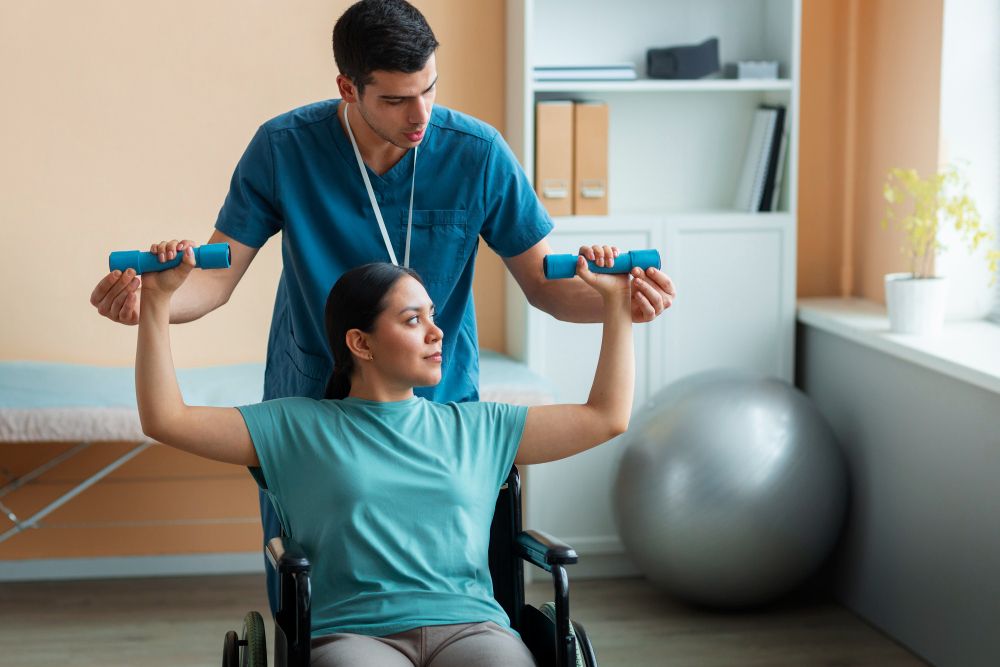
Home Physiotherapy

We understand that some conditions or injuries can make it difficult to receive rehabilitation at our clinic be it mobility or transportation issues. Our objective is to provide you with the same high-quality physiotherapy services at home that you would receive in-clinic.
Posted on

Who Needs Home Physiotherapy? I Rehab Malaysia

Home Physiotherapy
Home Physiotherapy
Home Physiotherapy, Synapse Physiotherapy

Introduction

Physiotherapy restores movement and function when there is injury, such as a sports related injury or work related injury as well as illness and disability. It can reduce pain, promote recovery and reduce long-term damage that can result in the event of injury, so that your quality of life is greatly improved. Therefore, people of all ages can benefit from physiotherapy.

However, many people do not realise that in-home physiotherapy is an option. In-home physiotherapy offers treatment in your own home as opposed to a traditional office or hospital based setting. In today’s fast-paced world, where convenience and efficiency are highly valued, home physiotherapy is emerging as a transformative solution for individuals seeking physical rehabilitation and improved well-being. This approach brings the expertise of professional physiotherapists directly to the comfort of one’s home, offering a range of benefits that make it an attractive alternative to traditional in-clinic visits.

What is Home Physiotherapy?

Home physiotherapy involves licensed physiotherapists providing personalised treatment and rehabilitation services in the comfort of the patient’s own home. In recent years, home physiotherapy has gained popularity as an effective and convenient alternative to traditional outpatient or hospital based treatments. 

Home physiotherapy offers numerous benefits and plays a crucial role in promoting independence for individuals with various health conditions. This includes post-surgical recovery, chronic pain, mobility issues, sports injuries, and neurological disorders. By tailoring exercises and treatment plans to the specific needs of each patient, home physiotherapy aims to restore function, reduce pain, and enhance overall quality of life.

Benefits of Home Physiotherapy

1. Convenience and Comfort

One of the most significant advantages of home physiotherapy is the convenience it offers. Patients no longer need to travel to a clinic, which can be particularly beneficial for those with mobility issues, busy schedules, or transportation challenges. Receiving treatment in a familiar environment can also enhance comfort and relaxation, contributing to a more positive and effective rehabilitation experience. 

2. Personalised Care

Home physiotherapy allows for highly personalised care. Physiotherapists can observe and assess how patients move and function in their own homes, providing insights that may not be apparent in a clinical setting. This enables the development of customised treatment plans that address the specific challenges and goals of each individual.

3. Improved Adherence to Treatment

Patients are more likely to adhere to their treatment plans when sessions are conducted at home. The ease of access eliminates many of the barriers associated with clinic visits, such as transportation issues and scheduling conflicts. Increased adherence to physiotherapy exercises and routines can lead to faster and more effective recovery. 

4. Enhanced Safety and Hygiene

For individuals with compromised immune systems or those recovering from surgery, avoiding exposure to potentially contagious environments is crucial. Home physiotherapy reduces the risk of infections by minimising contact with other patients and clinic staff, ensuring a safer and more hygienic treatment experience.

5. Holistic Approach

Home physiotherapy often involves educating patients and their families about exercises and lifestyle modifications that can support recovery and prevent future injuries. This holistic approach fosters a supportive home environment where patients can practise their exercises and integrate healthy habits into their daily routines.

6. Cost-Effectiveness

While the cost of home physiotherapy sessions may initially appear higher than clinic visits, it can be more cost-effective in the long run. Savings on transportation, reduced time off work, and the potential for quicker recovery can offset the initial expenses. Additionally, some insurance plans cover home physiotherapy services, making it a financially viable option for many patients.

Who Can Benefit from Home Physiotherapy?

Home physiotherapy is suitable for a wide range of individuals, including: 

Elderly Individuals:

Due to various factors like illness, mobility constraints, travel constraints, or dependencies, older citizens find it difficult to make it to regular physiotherapy sessions. Therefore home physiotherapy is very beneficial for the elderly as it brings care to their doorstep and they can get tailored treatments that enhance their independence and quality of life.


Some of the benefits that older adults with mobility issues, arthritis, or chronic pain can receive are:

  • Improving mobility and physical function by enhancing strength, flexibility, balance and posture.
  • Managing and alleviating age-related pain caused by conditions like arthritis or musculoskeletal discomfort.
  • Identifying fall hazards at home and providing strategies and exercises to reduce the risk of fall.
  • Can aid in post-surgery recovery by helping them regain strength and mobility.
  • Can be integrated into chronic disease management plans to better manage conditions like diabetes, arthritis, and heart diseases.
  • Simplifies the treatment process by eliminating the need to travel thus reducing dependencies and stress induced by travel.
  • Receiving treatments in the familiarity of their own home has a calming effect and reduces anxiety, this enhances the impact of physiotherapy.

 Physiotherapists are also a great source of moral and emotional support, motivation, and encouragement for seniors. These healthcare professionals build a personal connection and the conversations can have a great positive impact on their mental health. These physiotherapy sessions play an important role in enabling senior citizens to maintain their independence by improving mobility and functional abilities. Not only can physiotherapists boost their confidence, they can also help them carry out their daily activities with ease.

Other populations that can greatly benefit from home physiotherapy are neurological patients, chronic pain sufferers, and post-surgical patients.

Frequently Asked Questions (FAQs)

Home physiotherapy involves licensed physiotherapists providing personalised treatment and rehabilitation services in the patient’s home. Physiotherapists bring the necessary equipment and tailor exercises and treatment plans according to the specific needs of each patient, ensuring a comfortable and effective rehabilitation experience.

Home physiotherapy is suitable for a wide range of individuals, including the elderly, those with mobility issues, chronic pain sufferers, neurological patients, and post-surgical patients. It offers personalised care in a familiar environment, making it ideal for anyone seeking convenient and effective physical rehabilitation.

Yes, home physiotherapy can be just as effective as in-clinic treatments. The personalised nature of home sessions allows physiotherapists to address specific challenges and goals in the patient’s own environment, often leading to better adherence to treatment plans and improved outcomes.

To prepare for a home physiotherapy session, ensure you have a clean and safe space for the therapist to work. Wear comfortable clothing that allows for movement, and have any relevant medical information or previous treatment records available for the physiotherapist to review.

Coverage for home physiotherapy services varies by insurance provider and policy. Many insurance plans do cover home physiotherapy, but it’s important to check with your insurance provider to understand your specific coverage and any potential out-of-pocket costs.

Conclusion

Home physiotherapy is revolutionising the way individuals approach physical rehabilitation and well-being. By bringing expert care directly to the patient’s doorstep, it offers unparalleled convenience, personalised treatment, and a holistic approach that enhances recovery and quality of life. As the demand for flexible and effective healthcare solutions continues to grow, home physiotherapy stands out as a valuable and innovative option for those seeking to improve their physical health in the comfort of their own homes.

Produced by MYSense

Share This :

Back & Neck Pain

Conditions such as stiffness, postural abnormalities and muscle overuse from prolonged desk work at the office or home is more prevalent than most would think. We provide the necessary tools to fix you up and educate you on ergonomics which can unload unnecessary stress.

Sports Injuries

Rolled ankles, jarred knees, impinged shoulders are few conditions in the plethora of sports injuries which can hamper performance and limit our enjoyment of sports. Physiotherapy not only treats the symptoms of these conditions but propels your overall fitness to greater heights.

Work Desk Injuries​

Conditions such as stiffness, postural abnormalities and muscle overuse from prolonged desk work at the office or home is more prevalent than most would think. We provide the necessary tools to fix you up and educate you on ergonomics which can unload unnecessary stress.

Pre-Post-Surgical Conditions

Surgery involves going through preparation both before and after. Physiotherapists play a vital role in getting your body ready for surgeries with circulatory, breathing and strengthening exercises. After the procedure, let us be there for your recovery and rehabilitation, taking it one step at a time.

Scoliosis & Postural Abnormalities

The way we stand, sit, walk and sleep has influence over our posture and the overall balance of muscles controlling its alignment. A comprehensive screening can be done by our physiotherapists to detect abnormalities, which we will aid in correcting.

Neurological Conditions

Neurological disabilities such as stroke, nerve compression and neuropathies can be barriers for patients to live life to its fullest. We at Synapse are committed to help you overcome these hurdles by ensuring functional mobility and quality of life is at its optimum by providing the right treatment and exercises.

Osteoarthritis & Rheumatism

Joint degeneration and inflammation happens as the human body grows older, but that does not mean our way of life degenerates as well. Relief your joint pains with a joint effort together with your physiotherapist, who will provide pain-relief treatments and prescribe exercises for your wellbeing.

Conditions Relating To Elderly

Common conditions in the older age population include hips & knee pain, back & neck pain, osteoarthritis, rheumatism, fear of falling and many more.  Aging and degeneration of bodily function is inevitable, but here at Synapse, we will help you live the best of your life.
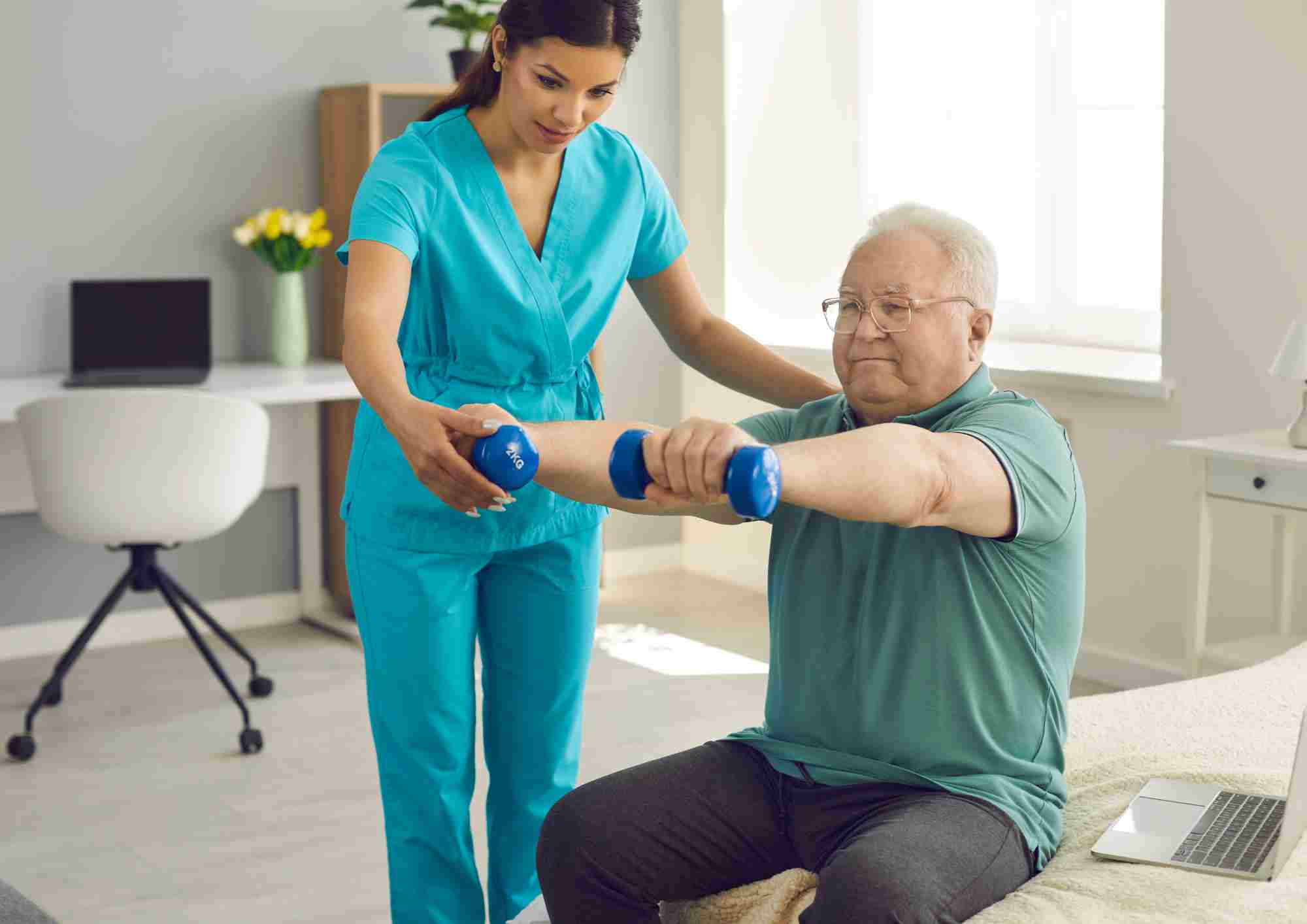
Home Physiotherapy

We understand that some conditions or injuries can make it difficult to receive rehabilitation at our clinic be it mobility or transportation issues. Our objective is to provide you with the same high-quality physiotherapy services at home that you would receive in-clinic.
Posted on

What is Home Physiotherapy?

Synapse Physiotherapy

Unrivalled Expertise: Qualified and Registered Professionals

At Synapse Physiotherapy, we believe that the foundation of exceptional care lies in the hands of qualified and registered professionals. Our Home Physiotherapy team comprises experienced physiotherapists who are either registered with the Malaysian Physiotherapy Association (MPA) and/or The Chartered Society of Physiotherapy (UK). This ensures that our therapists possess the necessary expertise, skills, and knowledge to provide evidence-based, top-notch care to our patients.


Collaborative Care: Working with Medical Specialists ​

We understand the importance of a multidisciplinary approach to healthcare, especially for complex cases. That’s why our Home Physiotherapy Services go beyond the confines of our clinic walls and work closely with orthopedic surgeons, spine doctors, cardiologists, neurosurgeons, and radiologists in various hospitals. This collaboration enables us to have a comprehensive understanding of each patient’s condition and tailor the treatment plan accordingly, ensuring seamless continuity of care and the best possible outcomes.

Personalized Treatment Plans: Your Needs, Your Lifestyle

At Synapse Physiotherapy, we recognize that each patient is unique, and their treatment plans should reflect that individuality. Our Home Physiotherapy Services take a patient-centered approach, where the therapy is customized based on the patient’s specific condition, goals, and lifestyle. This personalized care ensures that every patient receives the attention and treatments they need to progress on their journey to recovery effectively.

Holistic Services: Considering Safety and Environment

The safety and well-being of our patients are paramount. As we provide Home Physiotherapy Services, we take into consideration social and environmental factors that may impact a patient’s progress and safety. Our therapists conduct thorough assessments of the home environment to identify potential hazards and make necessary adjustments to prevent accidents or injuries during the rehabilitation process.

Regular Re-Assessment: Monitoring Progress and Adjusting Plans

As recovery progresses, needs may change, and new challenges may arise. Our Home Physiotherapy Services include regular re-assessments of a patient’s condition to monitor progress and identify any changes in treatment requirements. This dynamic approach allows us to adjust the treatment plan as necessary, ensuring that patients receive the most appropriate and effective care throughout their healing journey.


Conditions Addressed: A Comprehensive Scope

Synapse Physiotherapy’s Home Physiotherapy Services cater to a wide range of conditions, providing specialized care in the comfort of your home. Some of the conditions that can be addressed include:


1. Musculoskeletal and Sports Injuries:

Whether it’s a sprain, strain, or muscle tear, our experienced physiotherapists have the expertise to treat musculoskeletal injuries resulting from sports activities, accidents, or other causes. By applying targeted exercises and manual therapies, we help patients regain strength, flexibility, and mobility.


2. Neurological Issues:

Neurological conditions, such as stroke, can significantly impact mobility and independence. Our Home Physiotherapy team works diligently to improve motor function, balance, and coordination, helping patients reclaim control over their lives and perform daily tasks with confidence.


3. Post-Operative Rehabilitation:

After surgery, a structured rehabilitation plan is crucial for a successful recovery. Our Home Physiotherapy Services offer personalized postoperation rehabilitation, supporting patients in regaining functionality and preventing complications during the healing process.


4. Geriatric and Elderly Rehabilitation:

As individuals age, unique challenges may arise that require specialised care. Our Home Physiotherapy team is well-versed in addressing the needs of the elderly, helping them maintain their independence, mobility, and overall well-being.


Conclusion

Synapse Physiotherapy’s Home Physiotherapy Services redefine healthcare by bringing expert care directly to your doorstep. With qualified and registered professionals, collaborative care with medical specialists, personalized treatment plans, holistic services, patient education, and regular re-assessments, our Home Physiotherapy Services are designed to empower patients on their journey to optimal health and mobility. Whether it’s musculoskeletal injuries, neurological issues, postoperation recovery, or geriatric rehabilitation, Synapse Physiotherapy is your trusted partner in enhancing your well-being and quality of life. To experience the convenience and effectiveness of our Home Physiotherapy Services, contact us at +603-20115779 or enquiry.damansara@synapse.com.my. Empower your recovery with Synapse Physiotherapy’s Home Physiotherapy Services today.

Back & Neck Pain

Conditions such as stiffness, postural abnormalities and muscle overuse from prolonged desk work at the office or home is more prevalent than most would think. We provide the necessary tools to fix you up and educate you on ergonomics which can unload unnecessary stress.

Sports Injuries

Rolled ankles, jarred knees, impinged shoulders are few conditions in the plethora of sports injuries which can hamper performance and limit our enjoyment of sports. Physiotherapy not only treats the symptoms of these conditions but propels your overall fitness to greater heights.

Work Desk Injuries​

Conditions such as stiffness, postural abnormalities and muscle overuse from prolonged desk work at the office or home is more prevalent than most would think. We provide the necessary tools to fix you up and educate you on ergonomics which can unload unnecessary stress.

Pre-Post-Surgical Conditions

Surgery involves going through preparation both before and after. Physiotherapists play a vital role in getting your body ready for surgeries with circulatory, breathing and strengthening exercises. After the procedure, let us be there for your recovery and rehabilitation, taking it one step at a time.

Scoliosis & Postural Abnormalities

The way we stand, sit, walk and sleep has influence over our posture and the overall balance of muscles controlling its alignment. A comprehensive screening can be done by our physiotherapists to detect abnormalities, which we will aid in correcting.

Neurological Conditions

Neurological disabilities such as stroke, nerve compression and neuropathies can be barriers for patients to live life to its fullest. We at Synapse are committed to help you overcome these hurdles by ensuring functional mobility and quality of life is at its optimum by providing the right treatment and exercises.

Osteoarthritis & Rheumatism

Joint degeneration and inflammation happens as the human body grows older, but that does not mean our way of life degenerates as well. Relief your joint pains with a joint effort together with your physiotherapist, who will provide pain-relief treatments and prescribe exercises for your wellbeing.

Conditions Relating To Elderly

Common conditions in the older age population include hips & knee pain, back & neck pain, osteoarthritis, rheumatism, fear of falling and many more.  Aging and degeneration of bodily function is inevitable, but here at Synapse, we will help you live the best of your life.

Home Physiotherapy

We understand that some conditions or injuries can make it difficult to receive rehabilitation at our clinic be it mobility or transportation issues. Our objective is to provide you with the same high-quality physiotherapy services at home that you would receive in-clinic.