Posted on

5 Physiotherapy Services for Pain Relief in Petaling Jaya

physiotherapy petaling jaya
Synapse Physiotherapy

5 Physiotherapy Services for Pain Relief in Petaling Jaya

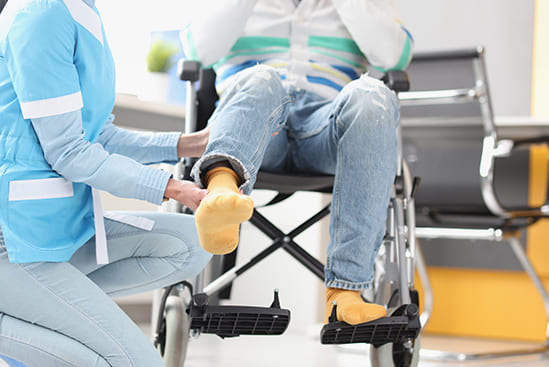
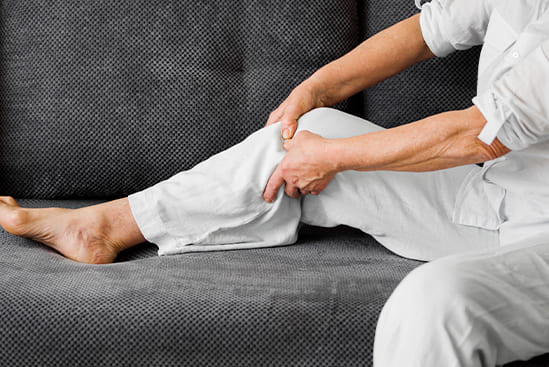
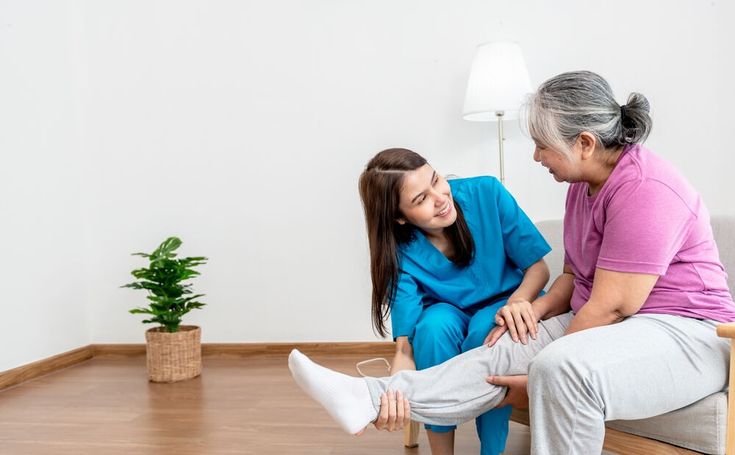
Living with muscle aches, chronic pain, or movement limitations in Petaling Jaya? Trusted physiotherapy petaling jaya clinics offer targeted pain relief and long-term recovery strategies. Physiotherapists use advanced methods to treat sports injuries, posture problems, and everyday strains, ensuring patients regain comfort and confidence in their daily activities.

Physiotherapy Petaling Jaya combines hands-on treatment, exercise rehabilitation, and innovative therapy techniques to address common conditions. Clinics in the district, such as Synapse Physiotherapy, focus on holistic care, patient education, and tailored solutions for every age group.

The Most Effective Physiotherapy Petaling Jaya Services

Manual Therapy for Lasting Relief

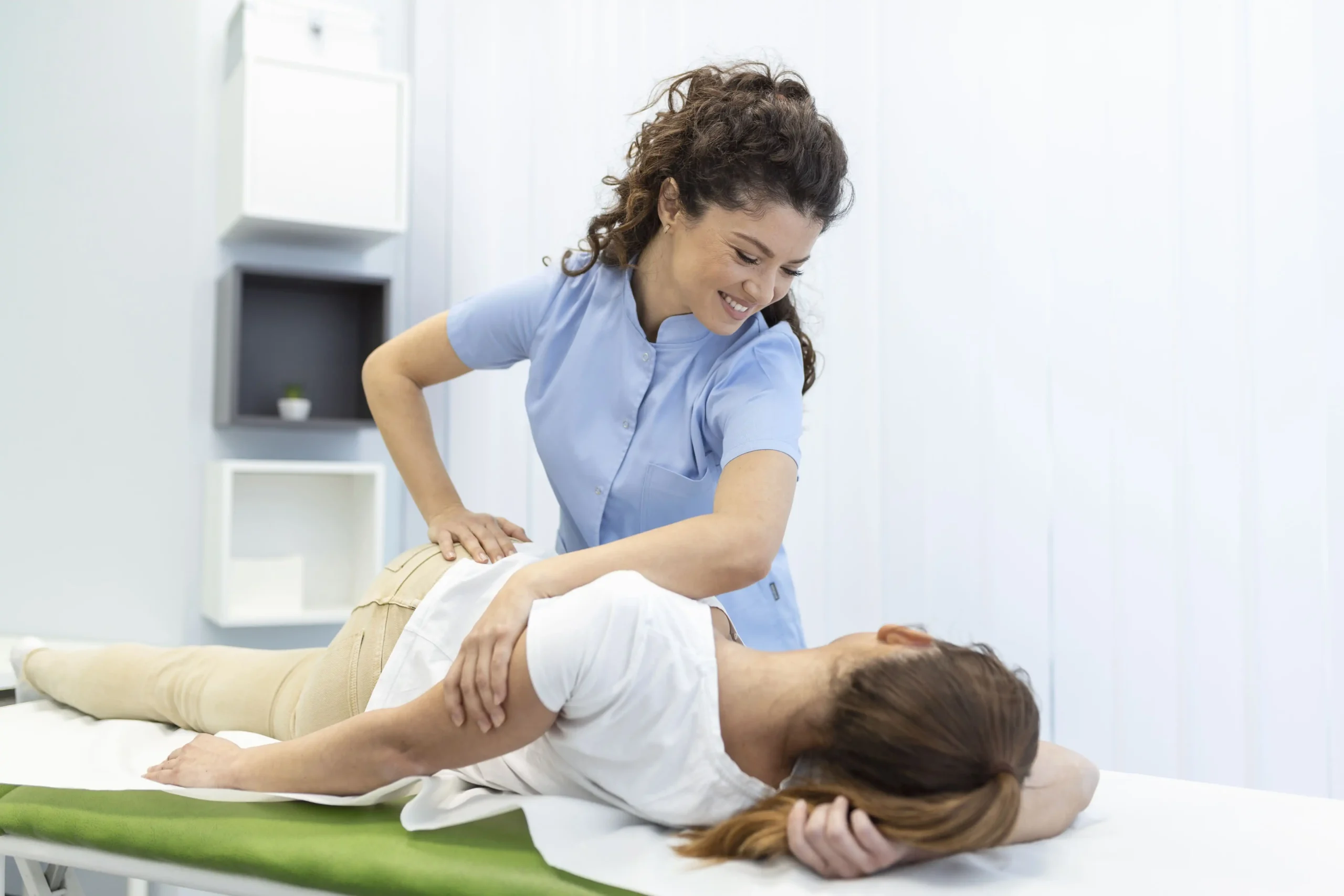
Manual therapy is one of the hallmark treatments at physiotherapy petaling jaya centres. Clinicians use massage, joint mobilisation, and specialised manipulation to ease pain in the neck, back, shoulders, and limbs. This hands-on approach improves blood flow, reduces tension, and restores natural movement. 

Dry Needling for Deep Muscle Release

Dry needling has become popular at physiotherapy Petaling Jaya clinics for addressing persistent muscular knots and trigger points. Skilful insertion of sterile needles releases tension and stimulates healing, ideal for athletes and anyone suffering from chronic pain or stiffness. Many patients discover new confidence after sessions and explore related common conditions treated at their chosen clinic.

Electrotherapy: Technology-Assisted Recovery

Electrotherapy, including ultrasound, TENS, and interferential currents, is widely used in physiotherapy Petaling Jaya to manage inflammation, accelerate tissue repair, and reduce discomfort. This advanced technology helps with arthritis, sciatica, and post-surgical rehabilitation. 

Exercise Rehabilitation and Core Strengthening

No two injuries are the same—physiotherapy Petaling Jaya focuses on custom exercise plans for every patient. Guided stretching, balance training, and resistance exercises rebuild core strength and stability. Sessions are adapted for seniors, athletes, and office workers, making recovery accessible to all. 

Posture Correction and Ergonomic Training

Modern living causes many Petaling Jaya residents to develop poor posture, which leads to chronic pain. Physiotherapy Petaling Jaya professionals assess your alignment and workspace ergonomics, teaching healthy habits and corrective routines that can be performed at home. 

How Physiotherapy Petaling Jaya Addresses Every Need

Personalised Care:
Every client at a physiotherapy Petaling Jaya clinic receives personalised assessments, ongoing progress reviews, and treatment adjustments as needed. This means faster recovery, fewer relapses, and more independence at work or home.

Holistic Solutions:
Combining therapy techniques ensures a comprehensive solution that treats not just pain symptoms, but also the underlying problems. Postural analysis, ergonomic advice, and educational resources help empower patients to make healthier choices every day.

Community Trust:
Residents rely on the expertise of physiotherapy Petaling Jaya clinics for their healthcare. Synapse is recognised for its transparent communication, evidence-based care, and friendly staff who guide patients through every stage of their journey.

When Should You Seek Physiotherapy in Petaling Jaya?

You should consider physiotherapy petaling jaya if you experience:

  • Persistent muscle pain or joint stiffness

  • Difficulty moving after injury or surgery

  • Sports-related injuries or performance issues

  • Poor posture affecting your comfort or productivity

  • Chronic migraines, tension headaches, or nerve pain

Clinics like Synapse offer resources, consultations, and answers to FAQs on their contact and FAQ pages.

Conclusion: The Future of Pain-Free Living with Physiotherapy Petaling Jaya

Choosing physiotherapy petaling jaya means choosing a future of mobility, independence, and comfort. Whether you’re an athlete, senior, office worker, or student, these services are designed to restore your health and wellness. Book a session at your nearest clinic and experience the benefits today.

Share This :

Back & Neck Pain

Conditions such as stiffness, postural abnormalities and muscle overuse from prolonged desk work at the office or home is more prevalent than most would think. We provide the necessary tools to fix you up and educate you on ergonomics which can unload unnecessary stress.

Sports Injuries

Rolled ankles, jarred knees, impinged shoulders are few conditions in the plethora of sports injuries which can hamper performance and limit our enjoyment of sports. Physiotherapy not only treats the symptoms of these conditions but propels your overall fitness to greater heights.

Work Desk Injuries​

Conditions such as stiffness, postural abnormalities and muscle overuse from prolonged desk work at the office or home is more prevalent than most would think. We provide the necessary tools to fix you up and educate you on ergonomics which can unload unnecessary stress.

Pre-Post-Surgical Conditions

Surgery involves going through preparation both before and after. Physiotherapists play a vital role in getting your body ready for surgeries with circulatory, breathing and strengthening exercises. After the procedure, let us be there for your recovery and rehabilitation, taking it one step at a time.

Scoliosis & Postural Abnormalities

The way we stand, sit, walk and sleep has influence over our posture and the overall balance of muscles controlling its alignment. A comprehensive screening can be done by our physiotherapists to detect abnormalities, which we will aid in correcting.

Neurological Conditions

Neurological disabilities such as stroke, nerve compression and neuropathies can be barriers for patients to live life to its fullest. We at Synapse are committed to help you overcome these hurdles by ensuring functional mobility and quality of life is at its optimum by providing the right treatment and exercises.

Osteoarthritis & Rheumatism

Joint degeneration and inflammation happens as the human body grows older, but that does not mean our way of life degenerates as well. Relief your joint pains with a joint effort together with your physiotherapist, who will provide pain-relief treatments and prescribe exercises for your wellbeing.
Conditions Relating To Elderly

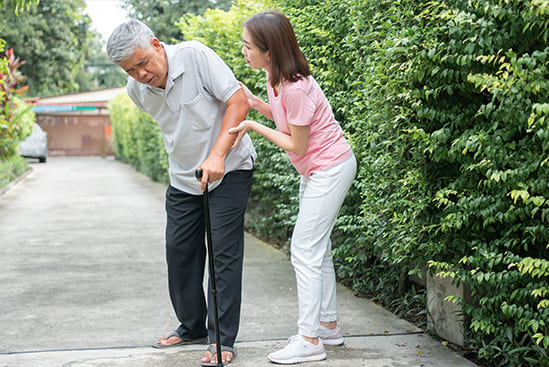
Common conditions in the older age population include hips & knee pain, back & neck pain, osteoarthritis, rheumatism, fear of falling and many more.  Aging and degeneration of bodily function is inevitable, but here at Synapse, we will help you live the best of your life.
Home Physiotherapy

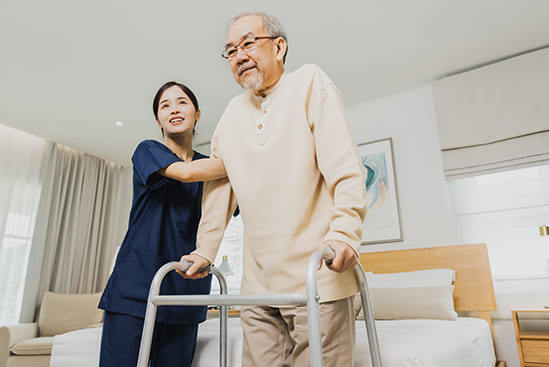
We understand that some conditions or injuries can make it difficult to receive rehabilitation at our clinic be it mobility or transportation issues. Our objective is to provide you with the same high-quality physiotherapy services at home that you would receive in-clinic.
Posted on

How effective is physiotherapy for slip disc recovery? l Synapse

physiotherapy for slip disc
Synapse Physiotherapy

How Effective is Physiotherapy for Slip Disc Recovery?

A slipped disc can cause significant back pain and nerve issues, but physiotherapy for slip disc is recognized as one of the best treatment options for smooth recovery. At Synapse Physiotherapy Centre, our focus is always on delivering effective, evidence-based care, helping patients recover naturally and avoid surgery.

What is a Slip Disc?

The spine contains vertebrae cushioned by discs, which can slip or herniate, causing intense pain. Common symptoms include radiating pain, numbness, stiffness, and limited motion. Physiotherapy is especially important because painkillers only mask pain rather than targeting the root issues that proper treatment corrects. Learn more about the common conditions treated by physiotherapy.

Many patients describe the onset of a slip disc as sudden and debilitating. For instance, Sarah, a 42-year-old office worker, experienced sharp shooting pain down her left leg after lifting a heavy box. She couldn’t stand upright for more than a few minutes and felt tingling in her toes. These symptoms are classic indicators of nerve compression caused by a herniated disc. When the soft inner material of the disc pushes through its outer layer, it can press against nearby spinal nerves, triggering pain that radiates along the nerve pathway, a condition known as sciatica. Understanding these symptoms is the first step toward seeking appropriate treatment through physiotherapy for slip disc recovery.

How Physiotherapy for Slip Disc Recovery Works

Physiotherapy for slip disc goes beyond pain relief. Our skilled physiotherapists at Synapse Physiotherapy address the root cause by focusing on spinal alignment, posture, and core stability. Here’s how this specialised treatment supports each stage of recovery:

Pain Management and Inflammation Control

In the early stages, our physiotherapists provide gentle manual therapy, electrotherapy, and heat/cold therapy, crucial elements of physiotherapy for a slipped disc, to reduce inflammation and irritation. Modalities work by increasing blood flow to the affected area, promoting natural healing processes, and calming overactive nerve signals. For example, electrotherapy uses electrical impulses to stimulate tissue repair and block pain transmission, while cold therapy constricts blood vessels to minimise swelling. Patients often report feeling immediate relief after these sessions, which sets the foundation for more active rehabilitation phases..

Restoring Movement and Flexibility

After pain subsides, tailored stretching and movement strategies help regain flexibility and natural movement. These targeted exercises are designed to restore your range of motion safely. One common technique used in physiotherapy for slip disc is the McKenzie Method, which involves specific directional movements that help centralise pain and reduce nerve irritation. Patients learn exercises like prone press-ups and lumbar extensions that gently encourage the disc material to move away from the nerve root. Additionally, nerve gliding exercises help the sciatic nerve move more freely through surrounding tissues, reducing tension and discomfort. Your physiotherapist will carefully monitor your progress and adjust exercises based on your response, ensuring you advance safely through each recovery stage..

Strengthening and Core Stability

Strengthening core muscles and the lower back provides better support and reduces the risk of further disc problems. A strong core is essential for long-term spinal health. Our spine core rehabilitation program is specifically designed to strengthen these critical muscle groups..Exercises such as planks, bird-dogs, and pelvic tilts are commonly incorporated into physiotherapy for slip disc treatment. These movements activate the transverse abdominis, multifidus, and other deep stabilising muscles that support the spine. Building core strength not only aids current recovery but also protects against future disc injuries by maintaining proper spinal alignment during daily activities.

Posture Correction and Ergonomics

Physiotherapy for slip disc often involves educating patients on good posture at work, standing, and lifting, preventing recurrence and promoting lasting wellness.

Proven Results

Patients usually feel improvement within a few sessions as a direct result of physiotherapy for slip disc. Total recovery time varies, but with consistent participation, the benefits are evident and long-lasting.

The Synapse Approach

At Synapse Physiotherapy, we combine advanced techniques with personalized care plans tailored to your specific condition and recovery goals. Our comprehensive approach ensures optimal outcomes.

Why Timely Care Matters

Delaying treatment can result in chronic issues, nerve damage, or recurring pain. Early intervention with physiotherapy for slip disc helps prevent nerve compression, maintains strength and flexibility, and supports fast, safe recovery.

Long-Term Benefits

  • Better posture and alignment
  • Stronger core muscles
  • Increased movement control
  • Lower risk of future injuries
  • Improved independence and quality of life

With the right treatment plan, you get more than just short-term pain relief; you achieve lasting spinal health and improved overall well-being.

Conclusion

According to the NHS, physiotherapy is a recommended approach for slip disc recovery. Physiotherapy for slip disc is essential, not just effective. Through expert manual therapy, exercise routines, and postural guidance, this treatment addresses both the symptoms and underlying causes. If you have disc pain, start your physiotherapy for slip disc recovery now for the best chance at living pain-free and staying active.


Share This :

Back & Neck Pain

Conditions such as stiffness, postural abnormalities and muscle overuse from prolonged desk work at the office or home is more prevalent than most would think. We provide the necessary tools to fix you up and educate you on ergonomics which can unload unnecessary stress.

Sports Injuries

Rolled ankles, jarred knees, impinged shoulders are few conditions in the plethora of sports injuries which can hamper performance and limit our enjoyment of sports. Physiotherapy not only treats the symptoms of these conditions but propels your overall fitness to greater heights.

Work Desk Injuries​

Conditions such as stiffness, postural abnormalities and muscle overuse from prolonged desk work at the office or home is more prevalent than most would think. We provide the necessary tools to fix you up and educate you on ergonomics which can unload unnecessary stress.

Pre-Post-Surgical Conditions

Surgery involves going through preparation both before and after. Physiotherapists play a vital role in getting your body ready for surgeries with circulatory, breathing and strengthening exercises. After the procedure, let us be there for your recovery and rehabilitation, taking it one step at a time.

Scoliosis & Postural Abnormalities

The way we stand, sit, walk and sleep has influence over our posture and the overall balance of muscles controlling its alignment. A comprehensive screening can be done by our physiotherapists to detect abnormalities, which we will aid in correcting.

Neurological Conditions

Neurological disabilities such as stroke, nerve compression and neuropathies can be barriers for patients to live life to its fullest. We at Synapse are committed to help you overcome these hurdles by ensuring functional mobility and quality of life is at its optimum by providing the right treatment and exercises.

Osteoarthritis & Rheumatism

Joint degeneration and inflammation happens as the human body grows older, but that does not mean our way of life degenerates as well. Relief your joint pains with a joint effort together with your physiotherapist, who will provide pain-relief treatments and prescribe exercises for your wellbeing.

Conditions Relating To Elderly

Common conditions in the older age population include hips & knee pain, back & neck pain, osteoarthritis, rheumatism, fear of falling and many more.  Aging and degeneration of bodily function is inevitable, but here at Synapse, we will help you live the best of your life.
Home Physiotherapy

We understand that some conditions or injuries can make it difficult to receive rehabilitation at our clinic be it mobility or transportation issues. Our objective is to provide you with the same high-quality physiotherapy services at home that you would receive in-clinic.
Posted on

Dry Needling for Lower Back Pain | Synapse Physiotherapy

dry needling vs acupuncture
Synapse Physiotherapy

Dry Needling vs Acupuncture for Lower Back Pain: What’s Best? | Synapse Physiotherapy

Lower back pain troubles millions worldwide, but choosing the right treatment can be confusing — especially when considering dry needling vs acupuncture. At Synapse Physiotherapy, patients often ask us about these treatments, wondering which is more effective for lower back pain relief.

Understanding Dry Needling vs Acupuncture

When researching pain management techniques, the debate around dry needling vs acupuncture comes up frequently. While both use thin, sterile needles, the methods are quite different. Acupuncture is rooted in Traditional Chinese Medicine (TCM) and aims to balance the energy flow (Qi) throughout the body by inserting needles along specific meridians. On the other hand, dry needling is a modern, evidence-based practice where physiotherapists insert needles directly into muscle trigger points — “knots” or tight bands that cause pain and limit movement.

Which Is Better for Lower Back Pain: Dry Needling vs Acupuncture?

At Synapse Physiotherapy, we evaluate every case of lower back pain individually. When patients ask about dry needling vs acupuncture for their back problems, we clarify that dry needling zeroes in on muscle tension, improving mobility and quickly reducing pain by targeting myofascial trigger points. Acupuncture, meanwhile, focuses on stimulating the body’s overall healing response and restoring balance, which some patients prefer for general wellness.

How We Use Dry Needling: Evidence-Based Approaches

For stubborn lower back pain, the results of dry needling vs acupuncture often show dry needling to be more direct and faster-acting. According to research published in the Journal of Orthopaedic & Sports Physical Therapy, dry needling can significantly reduce pain and improve function in patients with myofascial pain syndrome. At Synapse Physiotherapy, we combine dry needling with manual therapy, spine and core rehabilitation exercises, and patient education to address the root cause of your pain — not just the symptoms.

If you’re comparing dry needling vs acupuncture based on benefits for lower back pain, dry needling offers for most clients:

  • Targeted trigger point relief
  • Immediate improvement in flexibility
  • Faster reduction in local pain
  • Works well when combined with exercises and manual therapy

Acupuncture may appeal if you’re seeking relief from stress, chronic conditions, or want a holistic approach to healing. However, for direct muscle pain, many patients find dry needling to be the faster solution.

Safety: Dry Needling vs AcupunctureDry needling vs acupuncture are both safe when performed by qualified practitioners. At Synapse Physiotherapy, our physiotherapists strictly follow safety and hygiene protocols — only single-use, sterile needles are used. Some post-treatment soreness is normal, but significant side effects are rare.

Why Choose Synapse Physiotherapy for Dry Needling vs Acupuncture?

Whether you’re drawn to dry needling vs acupuncture, Synapse Physiotherapy provides a science-driven, patient-centered approach. Our team specialises in treating lower back pain with dry needling as a core component of your recovery process, complemented by manual therapy, core strengthening, and education to prevent future flare-ups.

If you’re curious about dry needling vs acupuncture for lower back pain or want to experience the difference, contact Synapse Physiotherapy today and book a personalised session.

Share This :

Back & Neck Pain

Conditions such as stiffness, postural abnormalities and muscle overuse from prolonged desk work at the office or home is more prevalent than most would think. We provide the necessary tools to fix you up and educate you on ergonomics which can unload unnecessary stress.

Sports Injuries

Rolled ankles, jarred knees, impinged shoulders are few conditions in the plethora of sports injuries which can hamper performance and limit our enjoyment of sports. Physiotherapy not only treats the symptoms of these conditions but propels your overall fitness to greater heights.

Work Desk Injuries​

Conditions such as stiffness, postural abnormalities and muscle overuse from prolonged desk work at the office or home is more prevalent than most would think. We provide the necessary tools to fix you up and educate you on ergonomics which can unload unnecessary stress.

Pre-Post-Surgical Conditions

Surgery involves going through preparation both before and after. Physiotherapists play a vital role in getting your body ready for surgeries with circulatory, breathing and strengthening exercises. After the procedure, let us be there for your recovery and rehabilitation, taking it one step at a time.

Scoliosis & Postural Abnormalities

The way we stand, sit, walk and sleep has influence over our posture and the overall balance of muscles controlling its alignment. A comprehensive screening can be done by our physiotherapists to detect abnormalities, which we will aid in correcting.

Neurological Conditions

Neurological disabilities such as stroke, nerve compression and neuropathies can be barriers for patients to live life to its fullest. We at Synapse are committed to help you overcome these hurdles by ensuring functional mobility and quality of life is at its optimum by providing the right treatment and exercises.

Osteoarthritis & Rheumatism

Joint degeneration and inflammation happens as the human body grows older, but that does not mean our way of life degenerates as well. Relief your joint pains with a joint effort together with your physiotherapist, who will provide pain-relief treatments and prescribe exercises for your wellbeing.

Conditions Relating To Elderly

Common conditions in the older age population include hips & knee pain, back & neck pain, osteoarthritis, rheumatism, fear of falling and many more.  Aging and degeneration of bodily function is inevitable, but here at Synapse, we will help you live the best of your life.

Home Physiotherapy

We understand that some conditions or injuries can make it difficult to receive rehabilitation at our clinic be it mobility or transportation issues. Our objective is to provide you with the same high-quality physiotherapy services at home that you would receive in-clinic.
Posted on

How Physiotherapy Can Help Relieve Acute Back Pain

Physiotherapy Malaysia
Synapse Physiotherapy

How Physiotherapy Can Help Relieve Acute Back Pain

Acute back pain is one of the most common musculoskeletal complaints affecting people of all ages. Whether it’s triggered by a sudden movement, poor posture, heavy lifting, or prolonged sitting, the pain can severely disrupt daily activities and reduce quality of life. Fortunately, with proper intervention, recovery can be both swift and effective, and this is where Physiotherapy Malaysia stands out as an essential healthcare service.

At Synapse Physiotherapy, with clinics conveniently located across the Klang Valley including Damansara Heights, our team specialises in diagnosing, treating, and preventing acute back pain using evidence-based techniques. Physiotherapy Malaysia offers tailored treatment plans to address the root cause of pain, not just the symptoms, helping patients regain mobility, strength, and confidence in movement. Whether you’re an office worker, athlete, or retiree, early physiotherapy intervention can make all the difference in preventing short-term pain from becoming a chronic issue.

Understanding Acute Back Pain

Acute back pain refers to pain lasting less than six weeks. It can appear suddenly, after bending awkwardly, lifting heavy objects, or sleeping in an uncomfortable position. Common causes include:

  • Muscle or ligament strain from improper lifting or sudden movements.

  • Herniated or slipped discs compressing nearby nerves.

  • Poor posture from long hours at a desk or device use.

  • Joint dysfunction, resulting in misalignment or restricted spinal movement.

Symptoms range from dull aches to sharp pains, often limiting mobility or radiating to the legs. Physiotherapy Malaysia emphasises early assessment and treatment to prevent symptoms from worsening.

How Physiotherapy Helps with Acute Back Pain

Physiotherapy plays a vital role in both relieving pain and addressing its causes. At Synapse Physiotherapy, the aim is to restore pain-free function through a holistic and personalised approach. Central to this is the expertise available at Physiotherapy Malaysia, supporting comprehensive recovery plans for every patient.

1. Accurate Assessment and Diagnosis

Your first visit involves a detailed review, posture analysis, and specific testing to identify the affected structures. This ensures treatment targets the actual source of pain, a process at the heart of Physiotherapy Malaysia’s clinical excellence.

2. Pain Relief Techniques

Evidence-based techniques like manual therapy, electrotherapy, and heat/cold treatments are used to reduce pain and inflammation. These interventions, offered by Physiotherapy Malaysia, calm symptoms and support patients in starting effective rehabilitation early.

3. Exercise Prescription

Movement is medicine, physiotherapists prescribe exercises for stretching, core strengthening, mobility, and functional retraining. At Physiotherapy Malaysia, these programs are tailored to your condition and progressively adjusted for optimal results.

4. Posture and Ergonomic Education

Many cases of acute back pain are preventable. Physiotherapists at Synapse provide advice on posture, ergonomic setups, safe lifting, and sleep positions. These strategies are a core part of education at Physiotherapy Malaysia to maintain spinal health and prevent future episodes.

5. Lifestyle and Activity Guidance

Beyond the clinic, Synapse offers guidance on safe activity levels, nutrition for recovery, and gradual return to everyday routines. The holistic focus at Physiotherapy Malaysia empowers individuals to manage their own recovery and long-term wellness.

Why Early Physiotherapy Intervention Matters

Some people rely on rest or painkillers, but prolonged inactivity can worsen recovery. Research shows early intervention, with help from Physiotherapy Malaysia, leads to faster healing and reduced risk of chronic pain by restoring movement and strengthening supportive muscles.

Synapse Physiotherapy’s Approach to Back Pain Relief

What makes Synapse Physiotherapy and Physiotherapy Malaysia unique is the combination of clinical expertise and patient-focused care. Every session integrates treatment, ongoing progress reviews, lifestyle advice, and education.

With clinics in Damansara Heights, Mont Kiara, and Subang, expert care is close by.

When to Seek Physiotherapy for Acute Back Pain

Consult a physiotherapist if you experience:

  • Sudden pain after movement or lifting.

  • Increasing pain with movement or sitting.

  • Stiffness or limited mobility.

  • Tingling, numbness, or leg pains.

  • Recurring pain episodes.

Early treatment from Physiotherapy Malaysia helps prevent long-term complications.

Take Control of Your Back Health

Acute back pain can seem overwhelming, but with guidance from Physiotherapy Malaysia, recovery is not only possible, it’s within reach.

If you are searching for effective, patient-focused care in Physiotherapy Malaysia, look no further than Synapse Physiotherapy. Our expert team is ready to help you move better, feel better, and live pain-free.

Share This :

Back & Neck Pain

Conditions such as stiffness, postural abnormalities and muscle overuse from prolonged desk work at the office or home is more prevalent than most would think. We provide the necessary tools to fix you up and educate you on ergonomics which can unload unnecessary stress.

Sports Injuries

Rolled ankles, jarred knees, impinged shoulders are few conditions in the plethora of sports injuries which can hamper performance and limit our enjoyment of sports. Physiotherapy not only treats the symptoms of these conditions but propels your overall fitness to greater heights.

Work Desk Injuries​

Conditions such as stiffness, postural abnormalities and muscle overuse from prolonged desk work at the office or home is more prevalent than most would think. We provide the necessary tools to fix you up and educate you on ergonomics which can unload unnecessary stress.

Pre-Post-Surgical Conditions

Surgery involves going through preparation both before and after. Physiotherapists play a vital role in getting your body ready for surgeries with circulatory, breathing and strengthening exercises. After the procedure, let us be there for your recovery and rehabilitation, taking it one step at a time.

Scoliosis & Postural Abnormalities

The way we stand, sit, walk and sleep has influence over our posture and the overall balance of muscles controlling its alignment. A comprehensive screening can be done by our physiotherapists to detect abnormalities, which we will aid in correcting.

Neurological Conditions

Neurological disabilities such as stroke, nerve compression and neuropathies can be barriers for patients to live life to its fullest. We at Synapse are committed to help you overcome these hurdles by ensuring functional mobility and quality of life is at its optimum by providing the right treatment and exercises.

Osteoarthritis & Rheumatism

Joint degeneration and inflammation happens as the human body grows older, but that does not mean our way of life degenerates as well. Relief your joint pains with a joint effort together with your physiotherapist, who will provide pain-relief treatments and prescribe exercises for your wellbeing.

Conditions Relating To Elderly

Common conditions in the older age population include hips & knee pain, back & neck pain, osteoarthritis, rheumatism, fear of falling and many more.  Aging and degeneration of bodily function is inevitable, but here at Synapse, we will help you live the best of your life.

Home Physiotherapy

We understand that some conditions or injuries can make it difficult to receive rehabilitation at our clinic be it mobility or transportation issues. Our objective is to provide you with the same high-quality physiotherapy services at home that you would receive in-clinic.
Posted on

Home Physiotherapy for Elderly Fall Prevention

Home Physiotherapy
Home Physiotherapy
Synapse Physiotherapy

Introduction

Falls are one of the leading causes of injury and hospitalisation among the elderly, making fall prevention a critical aspect of senior healthcare. As people age, the risk of losing balance and sustaining falls increases due to declining muscle strength, impaired mobility, and age-related health conditions. One highly effective method for reducing this risk is home physiotherapy. This approach allows elderly individuals to receive targeted therapy in the comfort and safety of their own homes, helping them improve balance, strength, and confidence in daily activities.

Home physiotherapy represents a revolutionary approach to elderly healthcare, bringing professional physiotherapy services directly to patients’ residences. This specialised form of home physiotherapy focuses on creating safer living environments whilst delivering targeted interventions that reduce fall risks among senior citizens. The familiar environment reduces anxiety, whilst personalised home physiotherapy programmes address specific household challenges that contribute to fall incidents.

Home physiotherapy for elderly fall prevention not only focuses on physical rehabilitation but also incorporates environmental assessments and education to reduce hazards that contribute to falls. By working one-on-one with a physiotherapist at home, seniors benefit from personalised exercise routines and mobility training designed specifically to address their limitations. This customised care can significantly lower the likelihood of falls, enhance independence, and promote a better quality of life. With the increasing demand for ageing-in-place solutions, home physiotherapy has emerged as a vital service in keeping seniors safe and active where they live.

Why Home Physiotherapy Is Essential for Elderly Care

The demand for home physiotherapy continues to grow as more elderly individuals prefer receiving treatment within their familiar environment. Home physiotherapy services offer comprehensive rehabilitation that addresses multiple aspects of elderly care, from mobility enhancement to fall prevention strategies. Research demonstrates that home physiotherapy achieves superior outcomes compared to traditional clinic-based treatments for elderly patients.

Why Falls Happen Among the Elderly

Falls don’t occur in isolation; they are usually the result of multiple factors:

  • Muscle Weakness: Age-related muscle loss (sarcopenia) reduces stability and reaction time

  • Poor Balance and Coordination: Impaired proprioception and vestibular function affect balance

  • Chronic Conditions: Stroke, arthritis, diabetes, and neurological disorders like Parkinson’s disease can compromise movement

  • Vision or Hearing Impairments: Reduced sensory perception contributes to spatial disorientation

  • Polypharmacy: Multiple medications can lead to dizziness or drowsiness

  • Environmental Hazards: Loose rugs, poor lighting, and cluttered pathways increase fall risks

A comprehensive fall prevention plan must address both internal physical limitations and external environmental factors through structured home physiotherapy interventions.

What Is Home Physiotherapy?

Home physiotherapy is the delivery of physiotherapy services in a person’s residence rather than at a clinic or hospital. For older adults, this setting provides both physical and psychological comfort. A licensed physiotherapist visits the home to evaluate the individual’s condition, mobility, and surroundings, then tailors a treatment plan that includes exercises, mobility training, and fall risk education.

Professional home physiotherapy incorporates advanced assessment tools and evidence-based interventions specifically designed for the home environment. This personalised approach ensures that each home physiotherapy session addresses the unique challenges presented by the patient’s living space and individual health requirements.

Benefits of Home Physiotherapy for Fall Prevention

Individualised Care Plans

Therapists can create customised routines based on the person’s unique physical status, medical history, and living environment through comprehensive physiotherapy services home physiotherapy assessments.

Improved Safety

The physiotherapist can identify home hazards like poor lighting or slippery floors and recommend modifications during home physiotherapy visits.

Greater Adherence and Engagement

Elderly patients often feel more motivated and less intimidated when exercising in a familiar setting, making home physiotherapy sessions more effective.

Caregiver Involvement

Family members can observe sessions, learn proper techniques, and help with exercises between home physiotherapy visits.

Functional Improvement

Therapy focuses on real-life tasks like getting in and out of bed, standing from a chair, and walking around the house—skills that directly impact fall risk through targeted home physiotherapy interventions.

The Science Behind Home Physiotherapy Effectiveness

Studies indicate that consistent home physiotherapy participation leads to significant improvements in elderly patient outcomes. Home physiotherapy programmes demonstrate a 40% reduction in fall-related hospitalisations, improved confidence in daily activities, enhanced quality of life measures, and reduced healthcare costs through prevention. According to recent research, telephysiotherapy was more effective than traditional rehabilitation, significantly improving the physical and psychological status of elderly patients.

Key Components of a Fall Prevention Program

A robust home physiotherapy program designed for fall prevention typically includes comprehensive assessment and treatment protocols.

Initial Assessment

The physiotherapist begins with a thorough evaluation of:

  • Strength, balance, and flexibility

  • Walking patterns (gait analysis)

  • Functional mobility (e.g., Timed Up and Go Test)

  • Fall history and contributing medical conditions

  • Home safety and layout assessment

This comprehensive home physiotherapy assessment forms the foundation for all subsequent treatment planning.

Balance Training

Balance is a critical component of fall prevention within home physiotherapy programmes. Exercises may include:

  • Tandem and single-leg stands

  • Weight-shifting and reaching activities

  • Step-ups or obstacle navigation

  • Balance tools like foam pads or wobble boards

Strength Building

Weak muscles are a major contributor to falls, making strength training essential in home physiotherapy. Targeted strength exercises often focus on:

  • Leg muscles (quads, hamstrings, calves)

  • Core muscles for posture and stability

  • Resistance bands or light weights for progressive training

Mobility and Gait Training

Home physiotherapy practitioners guide clients through walking drills and transitions:

  • Walking with or without assistive devices

  • Practising step turns, pivoting, and navigating tight spaces

  • Training for uneven surfaces or steps if applicable

Functional Exercises

Tasks are designed to mimic daily living activities within home physiotherapy sessions:

  • Sit-to-stand from a chair

  • Bed transfers and bathroom access

  • Practising with assistive devices like walkers and canes

Flexibility and Joint Mobility

Stretching helps maintain range of motion, especially in the hips, knees, and ankles through home physiotherapy interventions:

  • Hamstring and calf stretches

  • Hip flexor and back mobility drills

  • Gentle yoga-inspired movements for posture

Home Environment Modifications

The physiotherapist may suggest practical changes to reduce fall risks during home physiotherapy assessments:

  • Install grab bars in the bathroom

  • Remove loose rugs and clutter

  • Add night lights in hallways and staircases

  • Use non-slip mats in the kitchen and bathroom

Specialised Home Physiotherapy Techniques

Professional home physiotherapy incorporates several advanced techniques designed for various conditions:

Comprehensive Home Safety Evaluations

Home physiotherapy practitioners conduct thorough environmental assessments, identifying potential hazards and recommending practical modifications tailored to each residence.

Personalised Exercise Protocols

Each home physiotherapy session includes tailored exercises designed for the individual’s specific physical limitations and home layout, ensuring maximum effectiveness and safety.

Family Education Components

Home physiotherapy services extend beyond patient treatment to include caregiver training and family involvement strategies, creating a comprehensive support network.

Education and Safety Awareness

Knowledge is a key defence against falls through structured home physiotherapy education:

  • Teaching proper use of mobility aids

  • Instruction on safe transfer techniques

  • Encouragement of regular hydration and balanced nutrition

  • Guidance on when to seek medical help

Technology and Fall Prevention

Technology can enhance home physiotherapy by:

  • Using video consultations for remote support and monitoring

  • Wearable fitness trackers to monitor activity and movement quality

  • Mobile apps that provide exercise reminders and progress tracking

  • Fall detection systems to alert caregivers or emergency services if a fall occurs

Combining in-person home physiotherapy with digital tools can reinforce outcomes and provide ongoing reassurance for seniors and their families.

Long-term Benefits of Home Physiotherapy

Research consistently demonstrates that home physiotherapy programmes yield superior long-term outcomes for elderly patients. These benefits include sustained improvements in mobility, reduced fear of falling, enhanced social engagement, and maintained independence within the home environment.

The cost-effectiveness of home physiotherapy makes it an attractive option for healthcare systems seeking to reduce hospital admissions and emergency department visits related to fall injuries among the elderly population.

Challenges and Solutions

Despite the advantages, some obstacles may hinder home physiotherapy implementation:

  • Access to therapists: Rural or remote areas may have fewer available professionals

  • Cost and Insurance: Not all insurance plans cover home-based services

  • Patient Motivation: Seniors may resist exercise or lack confidence in their abilities

Solutions include community programmes, government-funded home care options, and regular family involvement to boost compliance and morale. Healthcare providers increasingly recognise the value of home physiotherapy in comprehensive elderly care planning.

Conclusion

Home physiotherapy for elderly fall prevention is a highly effective, personalised, and convenient solution that addresses both the physical and environmental causes of falls. By improving strength, balance, mobility, and confidence, this approach empowers older adults to maintain independence while reducing their risk of injury.

Home physiotherapy stands as an indispensable healthcare solution for elderly fall prevention, combining professional expertise with the comfort of familiar surroundings. As healthcare systems increasingly recognise the value of preventive care, home physiotherapy programmes continue expanding to serve growing populations of seniors choosing to age in place.

The integration of modern technology with traditional home physiotherapy techniques creates opportunities for enhanced monitoring and improved outcomes. Through comprehensive home physiotherapy services, elderly individuals can maintain independence whilst receiving the professional support necessary for safe, confident living.

As the population continues to age and more seniors choose to live independently, integrating home physiotherapy into healthcare routines becomes not only beneficial but essential. Families, caregivers, and healthcare providers should work together to make home physiotherapy more accessible, helping seniors lead safer, more fulfilling lives in the comfort of their homes. For professional guidance and personalised treatment plans, contact our home physiotherapy specialists who can develop targeted interventions for your specific needs.

Share This :

Back & Neck Pain

Conditions such as stiffness, postural abnormalities and muscle overuse from prolonged desk work at the office or home is more prevalent than most would think. We provide the necessary tools to fix you up and educate you on ergonomics which can unload unnecessary stress.

Sports Injuries

Rolled ankles, jarred knees, impinged shoulders are few conditions in the plethora of sports injuries which can hamper performance and limit our enjoyment of sports. Physiotherapy not only treats the symptoms of these conditions but propels your overall fitness to greater heights.

Work Desk Injuries​

Conditions such as stiffness, postural abnormalities and muscle overuse from prolonged desk work at the office or home is more prevalent than most would think. We provide the necessary tools to fix you up and educate you on ergonomics which can unload unnecessary stress.

Pre-Post-Surgical Conditions

Surgery involves going through preparation both before and after. Physiotherapists play a vital role in getting your body ready for surgeries with circulatory, breathing and strengthening exercises. After the procedure, let us be there for your recovery and rehabilitation, taking it one step at a time.

Scoliosis & Postural Abnormalities

The way we stand, sit, walk and sleep has influence over our posture and the overall balance of muscles controlling its alignment. A comprehensive screening can be done by our physiotherapists to detect abnormalities, which we will aid in correcting.

Neurological Conditions

Neurological disabilities such as stroke, nerve compression and neuropathies can be barriers for patients to live life to its fullest. We at Synapse are committed to help you overcome these hurdles by ensuring functional mobility and quality of life is at its optimum by providing the right treatment and exercises.

Osteoarthritis & Rheumatism

Joint degeneration and inflammation happens as the human body grows older, but that does not mean our way of life degenerates as well. Relief your joint pains with a joint effort together with your physiotherapist, who will provide pain-relief treatments and prescribe exercises for your wellbeing.

Conditions Relating To Elderly

Common conditions in the older age population include hips & knee pain, back & neck pain, osteoarthritis, rheumatism, fear of falling and many more.  Aging and degeneration of bodily function is inevitable, but here at Synapse, we will help you live the best of your life.

Home Physiotherapy

We understand that some conditions or injuries can make it difficult to receive rehabilitation at our clinic be it mobility or transportation issues. Our objective is to provide you with the same high-quality physiotherapy services at home that you would receive in-clinic.
Posted on

Home Physiotherapy: Recovering from a Stroke at Home

Home Physiotherapy
Home Physiotherapy
Synapse Physiotherapy

Introduction

Recovering from a stroke is never easy, but home physiotherapy can make the process smoother, safer, and more effective. This method helps stroke survivors regain strength, balance, and confidence all from the comfort of their own homes. With the right support and professional guidance, recovery becomes more manageable and less stressful.

Home physiotherapy brings licensed therapists directly to the patient’s living space, allowing rehabilitation to happen in a familiar setting. This can reduce anxiety, improve motivation, and lead to faster, more functional recovery. Whether the goal is to walk independently or just move safely around the house, home physiotherapy offers a smart path forward.

1. Convenience and Comfort at Your Doorstep

No Travel, Less Stress, More Consistency

For many stroke survivors, going to a clinic can be both exhausting and challenging. Some may rely on family members or caregivers for transport, which can be inconvenient and tiring for everyone involved. Home physiotherapy solves this problem by bringing expert care straight to the home.

Since sessions are held at home, patients are more likely to stick to their rehab schedule. Therapists arrive with portable tools and use furniture and spaces that the patient already knows. This makes therapy easier to follow and more relevant to everyday life.

Cost-Effective and Time-Saving

Though some may think in-home services are expensive, home physiotherapy can be more cost-effective over time, especially when factoring in transport costs, caregiver time, and potential complications from missed therapy.

By receiving therapy at home, patients avoid the financial and physical costs of traveling to a clinic. More importantly, consistent therapy helps prevent long-term disabilities, reduce hospital readmissions, and improve overall health outcomes, which can save money on medical care down the line.

2. A Plan That Fits You Perfectly

Personalised Care with Real-Life Goals

Every stroke is different. Because of this, recovery must be tailored to each person’s needs. Home physiotherapy allows therapists to assess a patient’s daily environment, then create a plan that targets specific goals, like getting out of bed, walking to the bathroom, or climbing stairs.

Some common therapy goals include:

  • Regaining strength and mobility

  • Improving coordination and balance

  • Learning to walk safely again

  • Reducing muscle tightness and stiffness

  • Preventing falls

  • Teaching caregivers how to assist properly

These personalised plans focus on what truly matters to the patient and their family, making recovery faster and more meaningful.

Faster Functional Gains and Greater Independence

The ultimate goal of stroke rehabilitation is to regain as much independence as possible. Home physiotherapy is one of the best ways to support this goal, as it focuses on real-world functionality and everyday movements.

Over time, patients often experience:

  • Improved strength and mobility
  • Better posture and balance
  • Increased ability to perform daily tasks (e.g., bathing, dressing, walking)
  • Reduced reliance on caregivers or assistive devices
  • Greater confidence in their ability to move safely and independently

These improvements don’t just benefit physical health they also contribute to a renewed sense of dignity, purpose, and motivation.

3. Familiar Spaces Build Confidence

Better Therapy, Right Where You Live

Doing therapy in the home is not only more convenient, it’s also more effective. Patients are surrounded by loved ones, familiar belongings, and daily routines. This comforting atmosphere often reduces anxiety and increases motivation, making patients more engaged in their recovery.

Therapists can also suggest home improvements such as:

  • Installing grab bars in the bathroom

  • Re-arranging furniture to allow safe movement

  • Choosing the right mobility aids for the layout

These changes help make the home a safer place, which is essential for stroke recovery.

4. Involving the Whole Family

Caregiver Training and Emotional Support

Stroke recovery is a team effort. In home physiotherapy, caregivers naturally become part of the process. Therapists guide them on how to help safely and effectively, which builds confidence and strengthens the support system.

Caregivers can learn:

  • How to assist with walking and transfers

  • Ways to position the patient to avoid stiffness

  • Tips to prevent bed sores and falls

  • Exercises to continue between sessions

When caregivers feel prepared, patients feel more supported, and that leads to better, faster progress.

Save Time, Save Money

Home physiotherapy may seem like a luxury, but it often saves money in the long run. Without the need to travel, you avoid transport costs and time away from work or other duties. Plus, consistent therapy at home can reduce the risk of complications, hospital readmissions, and long-term disabilities.

More importantly, early and steady recovery leads to better health and greater independence, which lowers medical costs down the road.

Real-Life Progress, Real Confidence

The true goal of stroke recovery is to live more independently. Home physiotherapy focuses on functional movements, such as:

  • Dressing and bathing

  • Moving from bed to chair

  • Walking inside or outside the home

As patients improve their strength, posture, and coordination, they often become less dependent on others and more confident in their ability to live life again.

Frequently Asked Questions (FAQs)

1. What is home physiotherapy, and how does it work?

Home physiotherapy is when a licensed physiotherapist visits a patient’s home to provide personalised treatment. They use portable equipment and home furniture to help the patient practice daily tasks like walking, getting up from a chair, or using the bathroom safely.

2. Is home physiotherapy as effective as clinic-based therapy?

Yes! It can be more effective for stroke patients, because therapy happens in the real environment where the patient lives, making it easier to apply learned movements to daily life.

3. How often should I schedule home physiotherapy sessions?

The frequency depends on the individual’s needs and goals. Many stroke survivors benefit from two to three sessions per week. Your physiotherapist will recommend a schedule that fits your recovery plan.

4. Can caregivers be trained during home physiotherapy sessions?

Absolutely. Therapists often train caregivers in proper techniques, safe transfers, and daily exercises. This ensures consistent support and better results between sessions.

5. Is home physiotherapy suitable for elderly stroke patients?

Yes, it’s an excellent choice. Elderly patients often find travel difficult, and being in a familiar space can improve both comfort and recovery outcomes.

Final Thoughts: A Smarter Path to Recovery

Recovering from a stroke can be overwhelming, but home physiotherapy offers a patient-centred, flexible, and highly effective path forward. It provides all the benefits of professional rehabilitation while removing many of the physical and emotional barriers that clinic-based therapy can pose.

By receiving therapy in a safe, familiar environment, patients are empowered to take charge of their recovery, supported by therapists and loved ones every step of the way. Whether the goal is to walk again, regain use of an arm, or simply move around the home with confidence, home physiotherapy delivers compassionate care where it matters most, right at home.

Want to know more about our home visit physiotherapy services? Click here.

Share This :

Back & Neck Pain

Conditions such as stiffness, postural abnormalities and muscle overuse from prolonged desk work at the office or home is more prevalent than most would think. We provide the necessary tools to fix you up and educate you on ergonomics which can unload unnecessary stress.

Sports Injuries

Rolled ankles, jarred knees, impinged shoulders are few conditions in the plethora of sports injuries which can hamper performance and limit our enjoyment of sports. Physiotherapy not only treats the symptoms of these conditions but propels your overall fitness to greater heights.

Work Desk Injuries​

Conditions such as stiffness, postural abnormalities and muscle overuse from prolonged desk work at the office or home is more prevalent than most would think. We provide the necessary tools to fix you up and educate you on ergonomics which can unload unnecessary stress.

Pre-Post-Surgical Conditions

Surgery involves going through preparation both before and after. Physiotherapists play a vital role in getting your body ready for surgeries with circulatory, breathing and strengthening exercises. After the procedure, let us be there for your recovery and rehabilitation, taking it one step at a time.

Scoliosis & Postural Abnormalities

The way we stand, sit, walk and sleep has influence over our posture and the overall balance of muscles controlling its alignment. A comprehensive screening can be done by our physiotherapists to detect abnormalities, which we will aid in correcting.

Neurological Conditions

Neurological disabilities such as stroke, nerve compression and neuropathies can be barriers for patients to live life to its fullest. We at Synapse are committed to help you overcome these hurdles by ensuring functional mobility and quality of life is at its optimum by providing the right treatment and exercises.

Osteoarthritis & Rheumatism

Joint degeneration and inflammation happens as the human body grows older, but that does not mean our way of life degenerates as well. Relief your joint pains with a joint effort together with your physiotherapist, who will provide pain-relief treatments and prescribe exercises for your wellbeing.

Conditions Relating To Elderly

Common conditions in the older age population include hips & knee pain, back & neck pain, osteoarthritis, rheumatism, fear of falling and many more.  Aging and degeneration of bodily function is inevitable, but here at Synapse, we will help you live the best of your life.

Home Physiotherapy

We understand that some conditions or injuries can make it difficult to receive rehabilitation at our clinic be it mobility or transportation issues. Our objective is to provide you with the same high-quality physiotherapy services at home that you would receive in-clinic.
Posted on

Convenient Home Physiotherapy in Klang Valley

Home Physiotherapy
Home Physiotherapy
Home Physiotherapy, Sports Injuries

Introduction

In the fast-paced and congested environment of the Klang Valley, many individuals find it challenging to prioritise their physical health, especially when mobility issues, chronic pain, or post-surgical recovery make travel difficult. That’s where home physiotherapy steps in a service that brings professional physiotherapy care directly to your doorstep. Whether you live in Kuala Lumpur, Petaling Jaya, Bangsar, or Subang Jaya, home physiotherapy provides a personalised, comfortable, and highly convenient solution for your rehabilitation and recovery journey. Learn more about Synapse Physiotherapy’s approach.


Home physiotherapy is ideal for patients with neurological conditions like stroke, orthopaedic injuries such as fractures or joint replacements, or chronic pain conditions like arthritis and back pain. Instead of navigating traffic, parking hassles, or long clinic waiting times, you receive the same high-quality treatment from certified physiotherapists in the comfort of your own home. This approach is not only time-saving but often leads to better compliance and faster results because therapy is delivered in a familiar environment.


In Klang Valley, where time is precious and convenience matters, home physiotherapy is increasingly becoming the preferred option for patients seeking effective and hassle-free rehabilitation. Let’s explore why more people are opting for this service and how it can transform your recovery experience.

Why Choose Home Physiotherapy?

1. Personalised One-on-One Attention

When physiotherapy is delivered at home, you receive the undivided attention of your physiotherapist. Unlike in clinics, where therapists often manage multiple patients at once, home physiotherapy sessions are completely focused on you. This allows for more accurate assessments, better communication, and a tailored approach to your goals.

2. Comfort and Familiarity

Being treated in your own home reduces anxiety and discomfort, especially for elderly or post-operative patients. The familiar surroundings help patients feel relaxed and safe, which contributes positively to recovery outcomes. Your therapist can also adjust exercises based on your actual living environment for example, helping you climb your stairs safely or improve balance while walking through your home.

3. Time and Energy Savings

In Klang Valley, traffic congestion is a daily struggle. Travelling to and from a clinic, especially multiple times a week can be tiring and time-consuming. With home physiotherapy, you avoid the commute entirely. This not only saves time but also preserves your energy, allowing you to focus more on healing.

4. Better Compliance and Faster Recovery

Many patients, especially seniors, may delay or skip clinic appointments due to travel difficulties or fatigue. Home physiotherapy increases treatment consistency and ensures better adherence to the plan, which in turn supports faster recovery.

5. Ideal for Post-Surgery and Neurological Conditions

Patients recovering from surgeries such as knee replacements, hip replacements, or spinal surgeries benefit greatly from home physiotherapy care. Likewise, stroke patients or those with Parkinson’s disease often have mobility limitations that make home physiotherapy the most practical and safe option.

What Conditions Can Be Treated at Home?

Home physiotherapy in Klang Valley covers a wide range of conditions, including:

  • Musculoskeletal Pain: Back pain, neck pain, joint pain, muscle strains.

  • Post-Surgical Rehabilitation: Hip/knee replacements, spinal surgeries.

  • Neurological Conditions: Stroke, Parkinson’s disease, multiple sclerosis.

  • Elderly Care: Falls prevention, mobility training, balance exercises.

  • Sports Injuries: Sprains, ligament tears, tendonitis, rehabilitation post-cast removal.

  • Chronic Conditions: Arthritis, scoliosis, degenerative disc disease.

Whether you need help walking again after surgery, regaining strength after a stroke, or simply managing persistent back pain, qualified physiotherapists can bring the right treatments directly to your home. See all the conditions we treat.

What to Expect During a Home Physiotherapy Session

Your first session will usually begin with a detailed assessment of your condition. The physiotherapist will evaluate your range of motion, strength, mobility, and pain levels. Based on the findings, they’ll develop a treatment plan that aligns with your goals whether that’s pain relief, improved function, or full recovery.

Common Components of a Session

  • Manual Therapy: Hands-on techniques to relieve stiffness and improve joint or muscle function.

  • Exercise Therapy: Strengthening, stretching, and mobility exercises.

  • Neuromuscular Training: Re-training your muscles to move correctly after injury or illness.

  • Gait and Balance Training: Especially important for fall prevention in elderly patients.

  • Posture and Ergonomic Advice: Tailored to your home and work environment.

  • Pain Management Techniques: Including dry needling, electrotherapy, or therapeutic massage if necessary.

Each home physiotherapy session typically lasts between 45 minutes to an hour, depending on your condition and tolerance.

Who Provides Home Physiotherapy in Klang Valley?

Many professional physiotherapy providers in Klang Valley now offer home physiotherapy visits, including specialised clinics like Synapse Physiotherapy, which operates across multiple locations in the region. Their experienced team of certified physiotherapists delivers evidence-based, results-driven treatment right to your doorstep whether you’re in Damansara Heights, Mont Kiara, Cheras, or Shah Alam.

Booking a home physiotherapy session is typically straightforward. Most providers offer online booking systems or a quick call to arrange your appointment. Some even allow you to request a specific therapist, particularly if you’ve worked with them before.

Cost of Home Physiotherapy in Klang Valley

Home physiotherapy may cost slightly more than clinic-based treatment due to travel time and the one-on-one attention. However, many patients consider the added comfort and convenience well worth the investment. Prices typically range from RM150 to RM250 per session, depending on location, therapist experience, and treatment complexity. Some providers also offer package deals for long-term recovery plans.

Importantly, many insurance providers and employer health plans in Malaysia now cover home physiotherapy services, especially when prescribed by a medical professional. It’s always worth checking with your insurer.

How to Choose the Right Home Physiotherapy Service

Here are a few tips for selecting the right provider in Klang Valley:

  • Verify Qualifications: Ensure the physiotherapist is registered with the Malaysian Physiotherapy Association (MPA) or equivalent.

  • Check Experience: Choose someone experienced in treating your specific condition.

  • Look for Reviews: Testimonials and Google ratings can give insight into quality and reliability.

  • Ask About Equipment: Some providers bring portable tools or equipment needed for effective therapy.

  • Evaluate Communication: The best therapists explain things clearly and involve you in goal-setting.

Frequently Asked Questions (FAQs)

1. Is home physiotherapy suitable for elderly patients?

Yes, home physiotherapy is especially beneficial for elderly individuals, as it eliminates the need for travel and provides therapy in a familiar and safe environment.

2. How long is each home physiotherapy session?

Typically, each session lasts between 45 minutes to an hour, depending on the treatment plan and the patient’s condition.

3. Do I need a doctor’s referral for home physiotherapy?

While not always mandatory, a referral from a medical professional can help ensure insurance coverage and a more targeted treatment plan.

4. What should I prepare for a home physiotherapy session?

Ensure you have a clean, quiet space where exercises and therapy can take place. Wear comfortable clothing and have your medical history ready for discussion during the first session.

5. Can I request the same physiotherapist for every session?

Yes, most providers allow patients to request continuity of care by assigning the same physiotherapist for each home physiotherapy visit.

Conclusion

Home physiotherapy is a game-changing solution for Klang Valley residents who need rehabilitation without the hassle of travelling to a clinic. Whether you’re recovering from surgery, managing chronic pain, or caring for an elderly loved one, professional treatment can now come to you, saving time, reducing stress, and improving outcomes.


At-home physiotherapy offers not just convenience, but also a more personalised, focused, and practical way to heal. In a region as busy as Klang Valley, this approach is fast becoming the gold standard in modern physiotherapy care. If you’re searching for a reliable and experienced team to help you recover at home, consider reaching out to Synapse Physiotherapy and begin your journey to better movement, right from your living room.

Share This :

Back & Neck Pain

Conditions such as stiffness, postural abnormalities and muscle overuse from prolonged desk work at the office or home is more prevalent than most would think. We provide the necessary tools to fix you up and educate you on ergonomics which can unload unnecessary stress.

Sports Injuries

Rolled ankles, jarred knees, impinged shoulders are few conditions in the plethora of sports injuries which can hamper performance and limit our enjoyment of sports. Physiotherapy not only treats the symptoms of these conditions but propels your overall fitness to greater heights.

Work Desk Injuries​

Conditions such as stiffness, postural abnormalities and muscle overuse from prolonged desk work at the office or home is more prevalent than most would think. We provide the necessary tools to fix you up and educate you on ergonomics which can unload unnecessary stress.

Pre-Post-Surgical Conditions

Surgery involves going through preparation both before and after. Physiotherapists play a vital role in getting your body ready for surgeries with circulatory, breathing and strengthening exercises. After the procedure, let us be there for your recovery and rehabilitation, taking it one step at a time.

Scoliosis & Postural Abnormalities

The way we stand, sit, walk and sleep has influence over our posture and the overall balance of muscles controlling its alignment. A comprehensive screening can be done by our physiotherapists to detect abnormalities, which we will aid in correcting.

Neurological Conditions

Neurological disabilities such as stroke, nerve compression and neuropathies can be barriers for patients to live life to its fullest. We at Synapse are committed to help you overcome these hurdles by ensuring functional mobility and quality of life is at its optimum by providing the right treatment and exercises.

Osteoarthritis & Rheumatism

Joint degeneration and inflammation happens as the human body grows older, but that does not mean our way of life degenerates as well. Relief your joint pains with a joint effort together with your physiotherapist, who will provide pain-relief treatments and prescribe exercises for your wellbeing.

Conditions Relating To Elderly

Common conditions in the older age population include hips & knee pain, back & neck pain, osteoarthritis, rheumatism, fear of falling and many more.  Aging and degeneration of bodily function is inevitable, but here at Synapse, we will help you live the best of your life.
Home Physiotherapy

We understand that some conditions or injuries can make it difficult to receive rehabilitation at our clinic be it mobility or transportation issues. Our objective is to provide you with the same high-quality physiotherapy services at home that you would receive in-clinic.
Posted on

Benefits of In-Home Physiotherapy | Synapse Physio

home physiotherapy
home physiotherapy
Home Physiotherapy, Sports Injuries

Introduction

Physiotherapy helps restore movement and function after injuries, such as those from sports or work, as well as illnesses and disabilities. It alleviates pain, aids in recovery, and minimizes long-term damage from injuries, significantly enhancing your quality of life. People of all ages can benefit from physiotherapy.

However, many are unaware that in-home physiotherapy is an available option. This type of physiotherapy provides treatment in the comfort of your own home, rather than in a traditional office or hospital setting.

Home physiotherapy, also known as home-based physiotherapy, is a service where licensed physiotherapists provide therapeutic treatments and rehabilitation exercises to patients in their own homes. This approach is designed to help individuals recover from injuries, surgeries, or medical conditions that affect their physical mobility and function.

I. Who needs home physiotherapy? 

Home physiotherapy can be beneficial for a wide range of individuals, particularly those who face challenges in accessing traditional physiotherapy clinics. Here are some groups who might need home physiotherapy:


  1. Post-Surgical Patients: Individuals recovering from surgeries such as joint replacements, spinal surgery, or major abdominal operations often require physiotherapy to regain strength, mobility, and function.
  2. Elderly Patients: Older adults who have mobility issues, chronic conditions like arthritis, or have suffered from falls may benefit from physiotherapy to improve their balance, strength, and overall mobility.
  3. Stroke Survivors: Patients recovering from a stroke often need intensive rehabilitation to regain motor skills, balance, and coordination, which can be effectively provided at home.
  4. Chronic Pain Sufferers: Individuals with chronic pain conditions such as fibromyalgia, lower back pain, or neuropathy can receive tailored pain management and physical therapy at home.
  5. Patients with Disabilities: Individuals with physical disabilities that limit mobility, such as spinal cord injuries, multiple sclerosis, or cerebral palsy, can benefit from home-based therapy to enhance their quality of life and independence.
  6. Cardiopulmonary Rehabilitation: Patients recovering from cardiac events (like heart attacks) or pulmonary conditions (such as chronic obstructive pulmonary disease) may need home-based physiotherapy to improve cardiovascular fitness and respiratory function.
  7. Pediatric Patients: Children with developmental delays, congenital conditions, or injuries may benefit from home physiotherapy where the therapist can work with them in a familiar environment.
  8. Palliative Care: Patients in palliative care, who may have terminal illnesses or severe chronic conditions, can receive supportive physiotherapy to maintain comfort and function as much as possible.
  9. Post-Trauma Recovery: Individuals recovering from major trauma, such as fractures, severe sprains, or motor vehicle accidents, can benefit from home-based physiotherapy to aid in the recovery process.
  10. Mobility-Impaired Individuals: Anyone who finds it difficult to travel to a physiotherapy clinic due to mobility issues, lack of transportation, or geographical barriers might prefer home physiotherapy.  

II. Benefits of Home Physiotherapy 

1. Progress Due to the Comforts of Home

Receiving treatment in the comfort of your own home offers unparalleled benefits. Being in a familiar environment allows you to feel more comfortable and relaxed, which can significantly enhance the effectiveness of physiotherapy. The relaxed state you achieve at home can lead to more focused treatment sessions, free from the distractions often found in clinical settings. In many cases, this comfort can accelerate the progress of your recovery.

2. Added Comfort

The comfort of in-home physiotherapy is a significant advantage that warrants further discussion. Clinical settings can be stressful for many individuals due to various reasons. Receiving treatment at home eliminates the stressors associated with traveling, waiting times, and unfamiliar environments, allowing you to concentrate fully on your recovery.

3. Highly Personalized Care

Physiotherapy is not just about exercises; it’s also about education and equipping you with the tools for self-recovery. When a physiotherapist visits your home, they can provide tailored recommendations and modifications based on your living environment, offering more personalized care. For instance, exercises can be specifically designed to help you navigate your home safely, which is particularly beneficial for individuals with mobility issues. Additionally, in-home physiotherapists typically have fewer clients due to travel time, enabling them to offer longer and more focused treatment sessions.

4. Eliminates Obstacles

In-home physiotherapy removes barriers that may prevent individuals from receiving necessary treatment. Issues such as transportation difficulties, mobility limitations, or the inability to travel to a clinic can delay or hinder treatment. By offering services at home, physiotherapy becomes accessible to those who might otherwise struggle to receive adequate care.

5. Safer for High-Risk Individuals

High-risk individuals, such as those with compromised mobility or a heightened risk of infection, can greatly benefit from in-home physiotherapy. This approach ensures they receive essential treatment in a safe environment, minimizing their exposure to potential hazards found in public spaces.

6. Highly Convenient & Time-Saving

In-home physiotherapy offers exceptional convenience, with flexible scheduling that accommodates your personal timetable. Therapists can also provide treatment at other convenient locations, such as your workplace. This service eliminates travel and waiting times, fitting seamlessly into your life and allowing you to save valuable time.

7. Cost Savings

Opting for in-home physiotherapy can lead to significant cost savings. Without the need for travel, you reduce expenses over time, making it a more economical option compared to traditional in-office services. Even short travel times can accumulate costs, and eliminating these can result in noticeable financial benefits.


II. Is home physiotherapy safe? 


Home physiotherapy is a safe and effective option. The physiotherapists providing this service are highly trained and will ensure the safety of your loved one before beginning any session. They start by assessing overall health and monitoring vital signs through routine checks. Based on these assessments, they design tailored exercise plans. If at any point your loved one is unable to continue, the physiotherapist will promptly stop the exercises to prevent any risk of harm.


III. What does home physio typically look like? 

Home physiotherapy involves delivering physiotherapy services directly in the patient’s home. Before starting any treatments, a qualified physiotherapist conducts a comprehensive assessment to evaluate the patient’s condition, medical history, and treatment goals.

Following this assessment, the physiotherapist develops a personalized treatment plan tailored to the individual’s specific needs. During home visits, the physiotherapist administers the prescribed treatments, which may include exercise therapy, manual therapy, electrotherapy, and hydrotherapy.

The physiotherapist also provides guidance on proper form and technique, closely monitors progress, and adjusts the treatment plan as necessary. Home physiotherapy ensures one-on-one attention, promoting active involvement in the patient’s recovery process.

FAQs

1. What are the main benefits of in-home physiotherapy?

In-home physiotherapy provides convenience, personalized care, and the comfort of receiving treatment in your own environment, enhancing recovery outcomes.

2. How does in-home physiotherapy compare to clinic-based sessions? 

In-home sessions offer the same professional care as clinics but with the added benefit of not having to travel, which is ideal for those with mobility issues or tight schedules.

3. What conditions can be treated with in-home physiotherapy? 

In-home physiotherapy can effectively treat a wide range of conditions, including post-surgical recovery, chronic pain management, arthritis, and neurological disorders.

4. How do I prepare my home for in-home physiotherapy sessions? 

Prepare a quiet, spacious area free of obstacles. Your physiotherapist may also guide you on arranging any necessary equipment or furniture prior to your session.

5. Is in-home physiotherapy covered by insurance?

Coverage varies by provider and plan. It’s recommended to check with your insurance provider to understand the specifics of what is covered under your plan for in-home physiotherapy

Conclusion

In conclusion, home physiotherapy is a valuable alternative for individuals seeking convenient and personalized rehabilitation. It offers tailored treatments in the comfort of one’s home, benefiting a wide range of patients, including those recovering from surgery, elderly individuals, stroke survivors, and those with chronic pain or disabilities. If you’re considering this option, Synapse Physiotherapy provides professional home visit services, ensuring that patients receive high-quality care in their own living environment.

Share This :

Back & Neck Pain

Conditions such as stiffness, postural abnormalities and muscle overuse from prolonged desk work at the office or home is more prevalent than most would think. We provide the necessary tools to fix you up and educate you on ergonomics which can unload unnecessary stress.

Sports Injuries

Rolled ankles, jarred knees, impinged shoulders are few conditions in the plethora of sports injuries which can hamper performance and limit our enjoyment of sports. Physiotherapy not only treats the symptoms of these conditions but propels your overall fitness to greater heights.

Work Desk Injuries​

Conditions such as stiffness, postural abnormalities and muscle overuse from prolonged desk work at the office or home is more prevalent than most would think. We provide the necessary tools to fix you up and educate you on ergonomics which can unload unnecessary stress.

Pre-Post-Surgical Conditions

Surgery involves going through preparation both before and after. Physiotherapists play a vital role in getting your body ready for surgeries with circulatory, breathing and strengthening exercises. After the procedure, let us be there for your recovery and rehabilitation, taking it one step at a time.

Scoliosis & Postural Abnormalities

The way we stand, sit, walk and sleep has influence over our posture and the overall balance of muscles controlling its alignment. A comprehensive screening can be done by our physiotherapists to detect abnormalities, which we will aid in correcting.

Neurological Conditions

Neurological disabilities such as stroke, nerve compression and neuropathies can be barriers for patients to live life to its fullest. We at Synapse are committed to help you overcome these hurdles by ensuring functional mobility and quality of life is at its optimum by providing the right treatment and exercises.

Osteoarthritis & Rheumatism

Joint degeneration and inflammation happens as the human body grows older, but that does not mean our way of life degenerates as well. Relief your joint pains with a joint effort together with your physiotherapist, who will provide pain-relief treatments and prescribe exercises for your wellbeing.

Conditions Relating To Elderly

Common conditions in the older age population include hips & knee pain, back & neck pain, osteoarthritis, rheumatism, fear of falling and many more.  Aging and degeneration of bodily function is inevitable, but here at Synapse, we will help you live the best of your life.
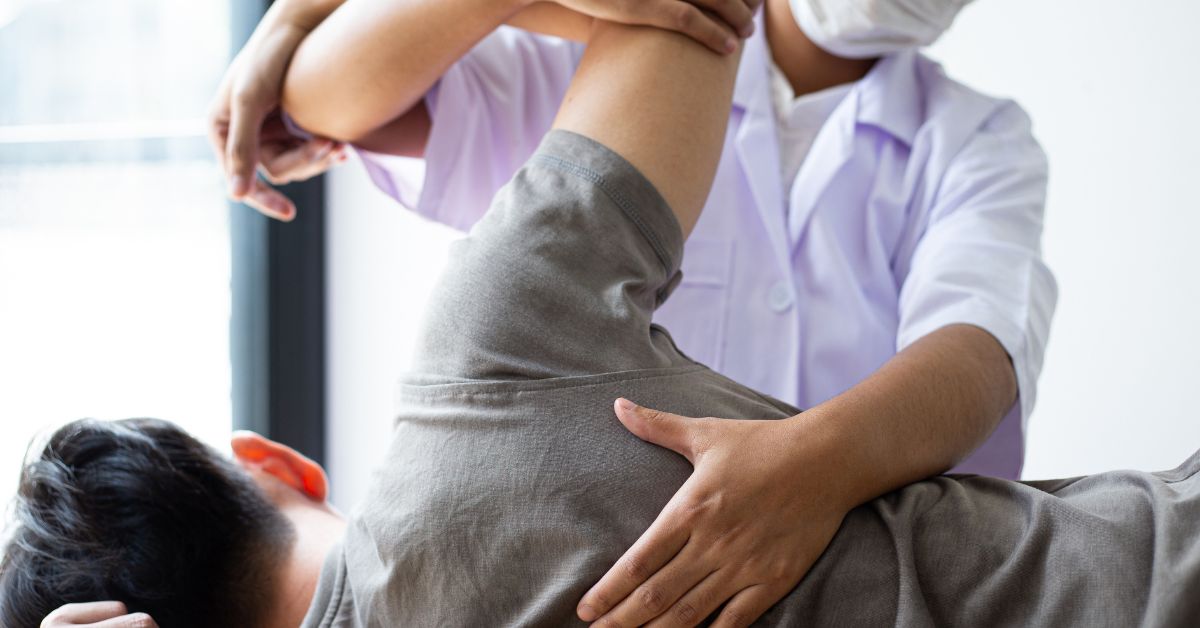
Home Physiotherapy

We understand that some conditions or injuries can make it difficult to receive rehabilitation at our clinic be it mobility or transportation issues. Our objective is to provide you with the same high-quality physiotherapy services at home that you would receive in-clinic.
Posted on

Avoid Pickleball Strains: Best Home Physiotherapy Hacks

Home Physiotherapy
Home Physiotherapy
Home Physiotherapy, Sports Injuries

Avoid Pickleball Strains: Best Home Physiotherapy Hacks

Pickleball is a fast-growing sport beloved by all ages for its fun, accessible gameplay. But with its quick pivots, lateral movements, and repetitive strokes, the risk of injury—especially muscle strains—is real. Whether you’re a casual player or a weekend warrior, preventing strains and staying mobile is crucial. That’s where home physiotherapy comes in.

Home physiotherapy isn’t just for those recovering from surgery or chronic injuries—it’s also a powerful preventive tool. With the right hacks, you can warm up smarter, build strength, and boost your mobility without stepping into a clinic. This approach empowers pickleball enthusiasts to take control of their physical health from the comfort of home, helping you stay on the court and off the sidelines.

This article dives into practical, effective home physiotherapy tips that target common problem areas for pickleball players—like the shoulders, lower back, knees, and calves. You’ll learn how to prep your body before a game, recover afterward, and build long-term resilience. Whether you’re new to the sport or a seasoned player, these hacks are simple, equipment-light, and physiotherapist-approved.

Let’s break down the best ways to stay strong, nimble, and strain-free—right from your living room.

1. Warm Up Like a Pro – In Just 5 Minutes

Skipping warm-ups is one of the fastest ways to end up with a muscle strain. A quick, dynamic warm-up routine tailored for pickleball can be done right at home before heading to the court. Here’s a 5-minute home physiotherapy warm-up:

  • Arm Circles and Swings (1 minute): Loosen up the shoulder joints with small to large circles and front-to-back arm swings.
  • Leg Swings (1 minute): Hold a wall or chair and swing each leg forward/backward and side-to-side to prep the hips.
  • Torso Twists (1 minute): Keep your feet planted and twist from your waist to engage your core and spine.
  • Heel Raises and Toe Taps (1 minute): Activate your calves and shins for better agility on-court.
  • Lunge and Reach (1 minute): A low-impact way to stretch the hip flexors while warming up the shoulders and back.

This quick routine increases blood flow, loosens up joints, and preps your nervous system for quick lateral movement and sudden stops—all key elements in pickleball.


2. Stretch Strategically Post-Game

One of the best hacks for preventing strains after pickleball is not just stretching, but stretching the right muscles. After a game, your muscles are warm and more pliable—perfect for static stretching. Focus on:

  • Calves and Achilles Tendon: Try a standing calf stretch with your hands against a wall, stepping one foot back and pressing the heel down.
  • Hamstrings and Glutes: Sit on the floor with one leg extended and the other bent. Reach forward gently toward the toes of your straight leg.
  • Lower Back and Hips: Lie on your back, bring one knee to your chest, and gently rotate it across your body for a lower back twist.

Hold each stretch for at least 20–30 seconds and don’t bounce. Consistent post-game stretching reduces stiffness, improves flexibility, and decreases your injury risk over time.

3. Strengthen Your Stabilizers with Bodyweight Exercises

Pickleball puts a surprising load on stabilizer muscles, especially in the hips, core, and shoulders. Strengthening these areas with basic home physiotherapy exercises can dramatically lower your risk of strains. Here are three top picks:

  • Glute Bridges: Lie on your back, knees bent, feet flat on the floor. Lift your hips, squeezing your glutes at the top. Do 2 sets of 12 reps.
  • Wall Angels: Stand against a wall with your arms in a “goal post” shape. Slowly raise and lower your arms while keeping them in contact with the wall. Great for shoulder mobility and posture.
  • Side Planks: Strengthens obliques and shoulder stabilizers. Hold each side for 20–30 seconds, gradually increasing over time.

These can be done 3–4 times per week. You don’t need weights or bands—just consistent effort and proper form.

4. Foam Rolling: The Underrated Recovery Hack

Foam rolling is a self-myofascial release technique that can be done easily at home, and it’s a secret weapon for pickleball players who want to stay limber. Here’s how to use it effectively:

  • Calves and Quads: Roll slowly, pausing at tender spots.
  • Glutes and Piriformis: Sit on the roller with one leg crossed over the other knee, rolling over the gluteal area.
  • Upper Back and Lats: Lie on the foam roller perpendicular to your spine, rolling from mid-back up to the shoulders.

Spend 1–2 minutes per muscle group, 3–4 times a week. Foam rolling after play can help reduce delayed onset muscle soreness and keep tissues supple and responsive.

5. Ice or Heat: Know What Your Muscles Need

Not sure whether to use ice or heat after a game? Here’s a general rule:

  • Ice is best for acute pain or swelling—like after a sudden strain or a twisted ankle. It reduces inflammation and numbs pain.
  • Heat works well for tight, sore muscles and stiffness. Use a warm compress or heating pad to promote blood flow and relaxation.

Both can be part of your home physiotherapy toolkit. Use for 15–20 minutes at a time, with a cloth between your skin and the source to avoid burns or frostbite.

6. Use a Massage Ball for Targeted Relief

If you don’t have time for a full foam rolling session, a massage ball (or even a tennis ball) can work wonders for specific tight spots:

  • Place the ball under your shoulder blade, glute, or foot.
  • Lean your body weight into it slowly, pausing at tense areas.
  • Breathe deeply and spend 30–60 seconds per spot.

This DIY trigger point therapy is a great way to release tension, improve circulation, and keep tissues mobile—perfect for active recovery days.

7. Don’t Ignore the Core

Core strength isn’t just about aesthetics—it’s about injury prevention, too. A strong core stabilizes your spine during those quick pickleball movements. At home, try:

  • Dead Bugs
  • Bird-Dog Extensions
  • Modified Sit-ups with Proper Breathing

Focus on slow, controlled movement rather than reps. Just 10 minutes, 3 times a week, can go a long way in keeping your lower back safe and stable.

Conclusion: Keep Playing Smart with Home Physiotherapy

Pickleball might be easy to learn, but the strain it puts on your body can sneak up fast. Instead of waiting until you’re injured, take a proactive approach with these home physiotherapy hacks. They’re simple, affordable, and require little to no equipment—making them perfect for any player who wants to stay in the game longer.

By building a consistent habit of warming up, cooling down, strengthening stabilizers, and tuning into your body’s needs, you’ll not only avoid common strains—you’ll also become a stronger, more agile, and confident pickleball player.

So next time you pick up your paddle, make sure your body is just as ready as your spirit. Game on!

Share This :

Back & Neck Pain

Conditions such as stiffness, postural abnormalities and muscle overuse from prolonged desk work at the office or home is more prevalent than most would think. We provide the necessary tools to fix you up and educate you on ergonomics which can unload unnecessary stress.

Sports Injuries

Rolled ankles, jarred knees, impinged shoulders are few conditions in the plethora of sports injuries which can hamper performance and limit our enjoyment of sports. Physiotherapy not only treats the symptoms of these conditions but propels your overall fitness to greater heights.

Work Desk Injuries​

Conditions such as stiffness, postural abnormalities and muscle overuse from prolonged desk work at the office or home is more prevalent than most would think. We provide the necessary tools to fix you up and educate you on ergonomics which can unload unnecessary stress.

Pre-Post-Surgical Conditions

Surgery involves going through preparation both before and after. Physiotherapists play a vital role in getting your body ready for surgeries with circulatory, breathing and strengthening exercises. After the procedure, let us be there for your recovery and rehabilitation, taking it one step at a time.

Scoliosis & Postural Abnormalities

The way we stand, sit, walk and sleep has influence over our posture and the overall balance of muscles controlling its alignment. A comprehensive screening can be done by our physiotherapists to detect abnormalities, which we will aid in correcting.

Neurological Conditions

Neurological disabilities such as stroke, nerve compression and neuropathies can be barriers for patients to live life to its fullest. We at Synapse are committed to help you overcome these hurdles by ensuring functional mobility and quality of life is at its optimum by providing the right treatment and exercises.

Osteoarthritis & Rheumatism

Joint degeneration and inflammation happens as the human body grows older, but that does not mean our way of life degenerates as well. Relief your joint pains with a joint effort together with your physiotherapist, who will provide pain-relief treatments and prescribe exercises for your wellbeing.

Conditions Relating To Elderly

Common conditions in the older age population include hips & knee pain, back & neck pain, osteoarthritis, rheumatism, fear of falling and many more.  Aging and degeneration of bodily function is inevitable, but here at Synapse, we will help you live the best of your life.

Home Physiotherapy

We understand that some conditions or injuries can make it difficult to receive rehabilitation at our clinic be it mobility or transportation issues. Our objective is to provide you with the same high-quality physiotherapy services at home that you would receive in-clinic.
Posted on

Physiotherapy Malaysia for Tendonitis & Ligament Injuries

Physiotherapy Malaysia
Synapse Physiotherapy

Physiotherapy Malaysia for Tendonitis & Ligament Injuries: Your Complete Recovery Guide

Tendonitis and ligament injuries are among the most common musculoskeletal problems affecting people across all age groups and activity levels. Whether you’re an athlete dealing with a sports injury, an office worker experiencing repetitive strain, or someone recovering from an accident, these conditions can significantly impact your mobility, strength, and overall quality of life. Fortunately, Physiotherapy Malaysia offers comprehensive, evidence-based treatment solutions that help patients recover fully and return to their active lifestyles.


In Malaysia, specialised physiotherapy clinics like Synapse Physiotherapy provide advanced rehabilitation programs tailored to treat tendon and ligament injuries effectively. With experienced physiotherapists, state-of-the-art facilities, and a patient-centred approach, Physiotherapy Malaysia has become a trusted resource for individuals seeking professional care and long-term recovery.

Understanding Tendonitis and Ligament Injuries

Before diving into treatment options, it’s essential to understand what these injuries involve and how they affect your body.

What is Tendonitis?

Tendonitis refers to the inflammation or irritation of a tendon — the thick fibrous cord that connects muscle to bone. This condition typically develops from repetitive motion, overuse, or sudden increases in physical activity. Common types of tendonitis include:

  • Rotator Cuff Tendonitis: Affects the shoulder, often seen in swimmers and overhead athletes
  • Tennis Elbow (Lateral Epicondylitis): Pain on the outer elbow from repetitive wrist and arm movements
  • Golfer’s Elbow (Medial Epicondylitis): Pain in the inner elbow
  • Patellar Tendonitis: Also known as “jumper’s knee,” common in basketball and volleyball players
  • Achilles Tendonitis: Affects the back of the heel, frequently seen in runners

Symptoms include pain, tenderness, mild swelling, and stiffness, especially during movement or activity.

What are Ligament Injuries?

Ligament injuries occur when the tough bands of tissue connecting bone to bone are stretched or torn. These injuries often result from sudden twisting motions, falls, or direct impacts. The most common ligament injuries include:

  • Ankle Sprains: Damage to ligaments on the outside or inside of the ankle
  • ACL Tears: Anterior cruciate ligament injuries in the knee, common in soccer and basketball
  • MCL Injuries: Medial collateral ligament damage, often from direct knee impact
  • Wrist Sprains: Typically from falling on an outstretched hand

Ligament injuries are graded from Grade I (mild stretch) to Grade III (complete tear), with symptoms ranging from mild discomfort to severe pain, swelling, bruising, and joint instability.

The Role of Physiotherapy Malaysia in Recovery

Physiotherapy Malaysia plays a vital role in both the treatment and prevention of tendonitis and ligament injuries. Through a combination of manual therapy, targeted exercises, patient education, and advanced modalities, physiotherapists help restore function, reduce pain, and prevent future injuries.

Phase 1: Pain and Inflammation Management

In the acute phase following injury, the primary goals are to control pain and reduce inflammation. Professional physiotherapy centres use various techniques, including:

  • Ice therapy and compression
  • Gentle manual therapy and soft tissue mobilisation
  • Ultrasound therapy to promote healing
  • Shockwave therapy for chronic tendonitis
  • Electrotherapy for pain relief

Phase 2: Restoring Range of Motion

Once inflammation subsides, physiotherapists introduce gentle stretching and mobility exercises to restore flexibility without stressing the healing tissues. This phase is crucial for preventing stiffness and maintaining joint health.

Phase 3: Strengthening and Stability

Progressive strengthening exercises rebuild the load tolerance of tendons and ligaments. For tendonitis, eccentric exercises (lengthening under tension) are particularly effective. For ligament injuries, proprioception and balance training help restore joint stability and prevent re-injury.

Phase 4: Functional Rehabilitation

The final phase focuses on returning to sport-specific or activity-specific movements. Physiotherapists design functional exercises that mimic real-life demands, ensuring you can safely resume your normal activities.

Advanced Treatment Techniques in Physiotherapy Malaysia

Modern Physiotherapy Malaysia clinics integrate traditional hands-on therapy with cutting-edge technology to optimise recovery outcomes. Some advanced treatments include:

  • Shockwave Therapy: Highly effective for chronic tendonitis, stimulating tissue regeneration
  • Dry Needling: Releases muscle tension and improves blood flow to injured areas
  • Manual Therapy & Joint Mobilisation: Restores proper joint mechanics and reduces pain
  • Kinesiology Taping: Provides support while allowing movement
  • Custom Exercise Programs: Tailored to individual needs, goals, and injury severity

Common Conditions Treated by Physiotherapy Malaysia

Various musculoskeletal conditions respond exceptionally well to physiotherapy intervention:

Achilles Tendonitis

Common among runners and active adults, this condition causes pain in the heel and calf. Treatment includes eccentric calf strengthening, manual therapy, and shockwave therapy.

Rotator Cuff Tendonitis

Shoulder pain from repetitive overhead activities responds well to scapular stabilisation exercises, manual therapy, and progressive strengthening.

Tennis and Golfer’s Elbow

Elbow tendonitis from repetitive wrist movements is treated with manual release techniques, eccentric exercises, and activity modification.

ACL and MCL Injuries

Knee ligament injuries require comprehensive rehabilitation focusing on stability, strength, and neuromuscular control to prevent chronic instability.

Ankle Sprains

Proper physiotherapy restores ankle range of motion, strength, and proprioception, significantly reducing the risk of recurrent sprains.

Why Choose Professional Physiotherapy in Malaysia?

Seeking treatment from qualified physiotherapists ensures you receive evidence-based care tailored to your specific condition. Experienced physiotherapy teams conduct thorough assessments to identify the root cause of your injury — whether it’s biomechanical dysfunction, muscle imbalance, training errors, or poor posture.

Benefits of professional Physiotherapy Malaysia services include:

  • Personalised Treatment Plans: Every patient receives customised care based on their unique needs
  • Evidence-Based Approach: Treatments are grounded in the latest research and clinical guidelines
  • Advanced Facilities: Access to modern equipment and therapeutic modalities
  • Holistic Care: Focus on overall health, injury prevention, and lifestyle optimisation
  • Collaborative Approach: Working with orthopaedic specialists, sports doctors, and other healthcare professionals when needed

Prevention: The Key to Long-Term Health

Beyond treating existing injuries, Physiotherapy Malaysia emphasises prevention through education and proactive care. Physiotherapists teach patients about:

  • Proper warm-up and cool-down routines
  • Correct exercise technique and form
  • Ergonomic workplace setup
  • Progressive training principles to avoid overuse
  • Early warning signs of injury

For more insights on injury prevention and rehabilitation strategies, you can explore additional resources at physiotherapy blogs and articles.

The Road to Full Recovery

Recovery from tendonitis or ligament injuries requires patience, consistency, and professional guidance. While healing timelines vary depending on injury severity, most patients see significant improvement within 6-12 weeks with proper physiotherapy intervention.

Ignoring symptoms or delaying treatment can lead to chronic pain, reduced function, and increased risk of re-injury. Early intervention with Physiotherapy Malaysia services significantly improves outcomes and helps you return to your active lifestyle faster and safer.

Conclusion

Physiotherapy Malaysia offers a proven, effective pathway to recovery for individuals suffering from tendonitis and ligament injuries. With personalised treatment plans, advanced therapeutic techniques, and a commitment to patient education, physiotherapy not only heals injuries but also empowers patients to maintain long-term musculoskeletal health.


Whether you’re dealing with acute injury or chronic pain, seeking professional physiotherapy care is the best decision you can make for your recovery. Clinics like Synapse Physiotherapy across the Klang Valley provide expert-guided rehabilitation that addresses the root cause of your condition and supports your journey back to pain-free, active living.

Don’t let tendon or ligament pain hold you back. Take the first step toward recovery today and experience the transformative benefits of professional Physiotherapy Malaysia care.


Share This :

Back & Neck Pain

Conditions such as stiffness, postural abnormalities and muscle overuse from prolonged desk work at the office or home is more prevalent than most would think. We provide the necessary tools to fix you up and educate you on ergonomics which can unload unnecessary stress.

Sports Injuries

Rolled ankles, jarred knees, impinged shoulders are few conditions in the plethora of sports injuries which can hamper performance and limit our enjoyment of sports. Physiotherapy not only treats the symptoms of these conditions but propels your overall fitness to greater heights.

Work Desk Injuries​

Conditions such as stiffness, postural abnormalities and muscle overuse from prolonged desk work at the office or home is more prevalent than most would think. We provide the necessary tools to fix you up and educate you on ergonomics which can unload unnecessary stress.

Pre-Post-Surgical Conditions

Surgery involves going through preparation both before and after. Physiotherapists play a vital role in getting your body ready for surgeries with circulatory, breathing and strengthening exercises. After the procedure, let us be there for your recovery and rehabilitation, taking it one step at a time.

Scoliosis & Postural Abnormalities

The way we stand, sit, walk and sleep has influence over our posture and the overall balance of muscles controlling its alignment. A comprehensive screening can be done by our physiotherapists to detect abnormalities, which we will aid in correcting.

Neurological Conditions

Neurological disabilities such as stroke, nerve compression and neuropathies can be barriers for patients to live life to its fullest. We at Synapse are committed to help you overcome these hurdles by ensuring functional mobility and quality of life is at its optimum by providing the right treatment and exercises.

Osteoarthritis & Rheumatism

Joint degeneration and inflammation happens as the human body grows older, but that does not mean our way of life degenerates as well. Relief your joint pains with a joint effort together with your physiotherapist, who will provide pain-relief treatments and prescribe exercises for your wellbeing.

Conditions Relating To Elderly

Common conditions in the older age population include hips & knee pain, back & neck pain, osteoarthritis, rheumatism, fear of falling and many more.  Aging and degeneration of bodily function is inevitable, but here at Synapse, we will help you live the best of your life.

Home Physiotherapy

We understand that some conditions or injuries can make it difficult to receive rehabilitation at our clinic be it mobility or transportation issues. Our objective is to provide you with the same high-quality physiotherapy services at home that you would receive in-clinic.