Synapse Physiotherapy | Physio Center | Rehab Malaysia

A slipped disc can cause significant back pain and nerve issues, but physiotherapy for slip disc is recognized as one of the best treatment options for smooth recovery. At Synapse Physiotherapy Centre, our focus is always on delivering effective, evidence-based care, helping patients recover naturally and avoid surgery.
The spine contains vertebrae cushioned by discs, which can slip or herniate, causing intense pain. Common symptoms include radiating pain, numbness, stiffness, and limited motion. Physiotherapy is especially important because painkillers only mask pain rather than targeting the root issues that proper treatment corrects. Learn more about the common conditions treated by physiotherapy.
Many patients describe the onset of a slip disc as sudden and debilitating. For instance, Sarah, a 42-year-old office worker, experienced sharp shooting pain down her left leg after lifting a heavy box. She couldn’t stand upright for more than a few minutes and felt tingling in her toes. These symptoms are classic indicators of nerve compression caused by a herniated disc. When the soft inner material of the disc pushes through its outer layer, it can press against nearby spinal nerves, triggering pain that radiates along the nerve pathway, a condition known as sciatica. Understanding these symptoms is the first step toward seeking appropriate treatment through physiotherapy for slip disc recovery.
Physiotherapy for slip disc goes beyond pain relief. Our skilled physiotherapists at Synapse Physiotherapy address the root cause by focusing on spinal alignment, posture, and core stability. Here’s how this specialised treatment supports each stage of recovery:
In the early stages, our physiotherapists provide gentle manual therapy, electrotherapy, and heat/cold therapy, crucial elements of physiotherapy for a slipped disc, to reduce inflammation and irritation. Modalities work by increasing blood flow to the affected area, promoting natural healing processes, and calming overactive nerve signals. For example, electrotherapy uses electrical impulses to stimulate tissue repair and block pain transmission, while cold therapy constricts blood vessels to minimise swelling. Patients often report feeling immediate relief after these sessions, which sets the foundation for more active rehabilitation phases..
After pain subsides, tailored stretching and movement strategies help regain flexibility and natural movement. These targeted exercises are designed to restore your range of motion safely. One common technique used in physiotherapy for slip disc is the McKenzie Method, which involves specific directional movements that help centralise pain and reduce nerve irritation. Patients learn exercises like prone press-ups and lumbar extensions that gently encourage the disc material to move away from the nerve root. Additionally, nerve gliding exercises help the sciatic nerve move more freely through surrounding tissues, reducing tension and discomfort. Your physiotherapist will carefully monitor your progress and adjust exercises based on your response, ensuring you advance safely through each recovery stage..
Strengthening core muscles and the lower back provides better support and reduces the risk of further disc problems. A strong core is essential for long-term spinal health. Our spine core rehabilitation program is specifically designed to strengthen these critical muscle groups..Exercises such as planks, bird-dogs, and pelvic tilts are commonly incorporated into physiotherapy for slip disc treatment. These movements activate the transverse abdominis, multifidus, and other deep stabilising muscles that support the spine. Building core strength not only aids current recovery but also protects against future disc injuries by maintaining proper spinal alignment during daily activities.
Physiotherapy for slip disc often involves educating patients on good posture at work, standing, and lifting, preventing recurrence and promoting lasting wellness.
Patients usually feel improvement within a few sessions as a direct result of physiotherapy for slip disc. Total recovery time varies, but with consistent participation, the benefits are evident and long-lasting.
At Synapse Physiotherapy, we combine advanced techniques with personalized care plans tailored to your specific condition and recovery goals. Our comprehensive approach ensures optimal outcomes.
Delaying treatment can result in chronic issues, nerve damage, or recurring pain. Early intervention with physiotherapy for slip disc helps prevent nerve compression, maintains strength and flexibility, and supports fast, safe recovery.
With the right treatment plan, you get more than just short-term pain relief; you achieve lasting spinal health and improved overall well-being.
According to the NHS, physiotherapy is a recommended approach for slip disc recovery. Physiotherapy for slip disc is essential, not just effective. Through expert manual therapy, exercise routines, and postural guidance, this treatment addresses both the symptoms and underlying causes. If you have disc pain, start your physiotherapy for slip disc recovery now for the best chance at living pain-free and staying active.
Tags :



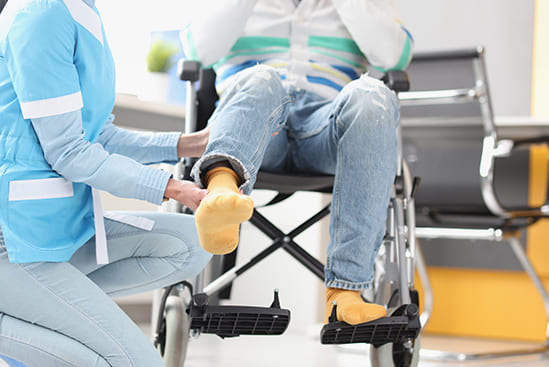


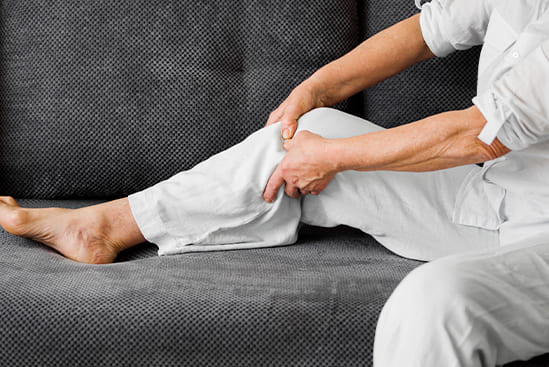
Joint degeneration and inflammation happens as the human body grows older, but that does not mean our way of life degenerates as well. Relief your joint pains with a joint effort together with your physiotherapist, who will provide pain-relief treatments and prescribe exercises for your wellbeing.

Common conditions in the older age population include hips & knee pain, back & neck pain, osteoarthritis, rheumatism, fear of falling and many more. Aging and degeneration of bodily function is inevitable, but here at Synapse, we will help you live the best of your life.