Synapse Physiotherapy | Physio Center | Rehab Malaysia
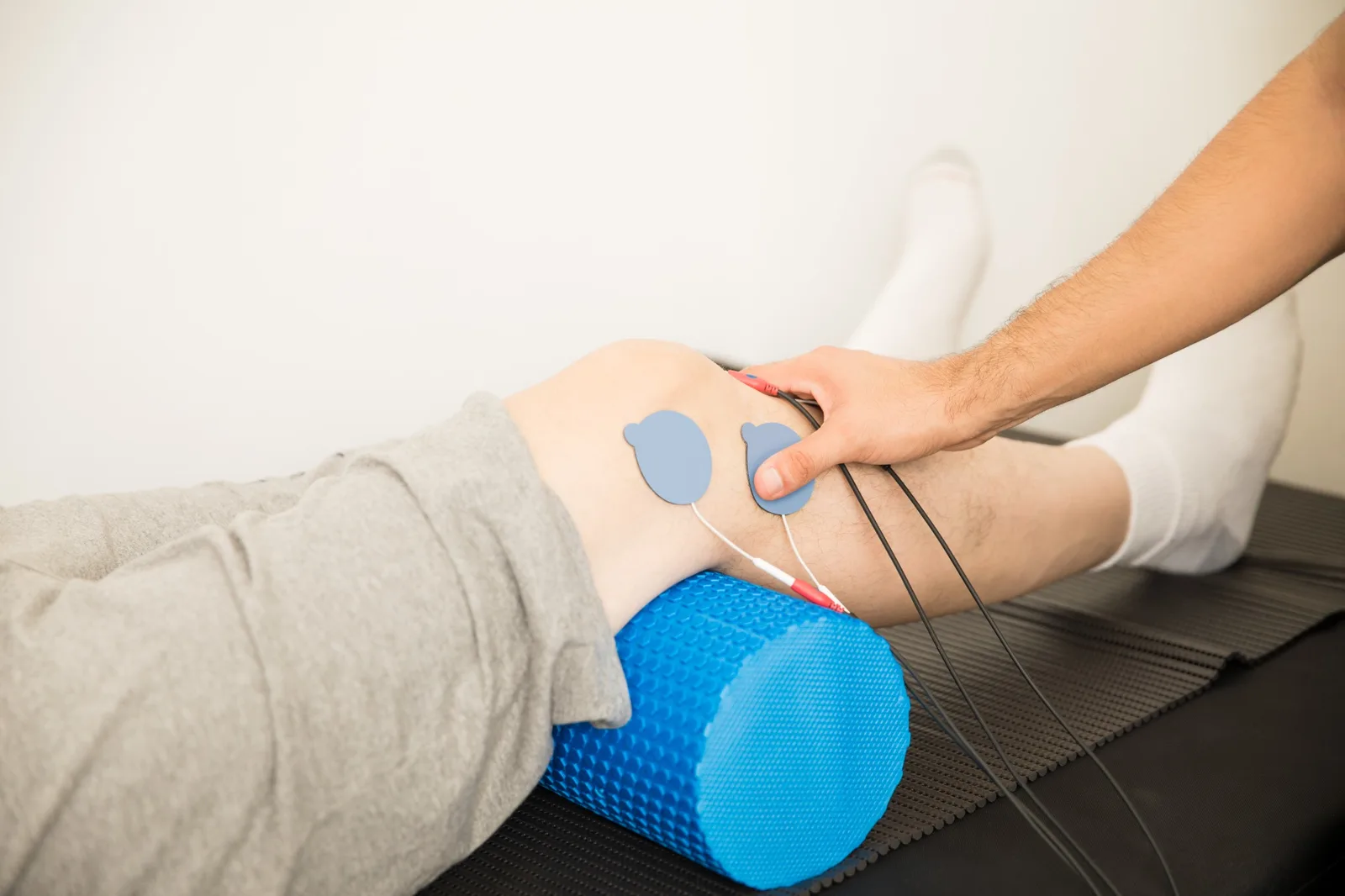
Recovering from a sports injury takes more than waiting for the pain to disappear. Whether you sprained an ankle playing badminton, developed knee pain while running, or strained a muscle lifting weights, returning to your usual activities needs the right balance of healing, strength, mobility, and physical readiness.
A sports injury clinic tracks specific recovery milestones throughout rehabilitation. These help your physiotherapist see how well the injury is recovering, spot remaining limitations, and adjust treatment to your needs. Knowing the milestones also shows you why returning to sport too early may increase the risk of another injury.
One of the first things a sports injury clinic monitors is how your pain and symptoms change. At your assessment, your physiotherapist may ask where the pain is, how intense it is, and which movements make it worse. A person with an ankle sprain may feel pain when walking, while someone with a hamstring strain may feel it when bending forward.
As recovery progresses, your physiotherapist watches whether pain is less intense or less frequent, swelling and tenderness decrease, daily activities feel more comfortable, and symptoms settle properly after exercise.
Less pain is a good sign, but it does not mean the injured tissue has fully recovered. A sports injury clinic therefore considers pain alongside physical and functional measures rather than using it as the only sign of progress. The NHS guidance on sprains and strains also explains how recovery usually unfolds.
Injuries to muscles, tendons, ligaments, or joints can cause stiffness and restrict movement. Your physiotherapist may measure the range of motion of the affected joint and compare it with the unaffected side where appropriate. Your clinic may track joint flexibility, comfort during movement, symmetry between limbs, and tolerance for the movements your sport requires. Treatment may include mobility exercises, stretching when indicated, and gradual movement training. The goal is not always identical movement on both sides, but the range your injury, daily life, and sport demand.
Muscle weakness is common after injury, especially when pain limits movement or activity drops. Strength is an essential milestone because muscles support joints, absorb forces, and control movement. A sports injury clinic may use manual muscle testing, resistance exercises, or functional assessments to evaluate it.
After an ankle sprain, rehabilitation may strengthen the calf and ankle muscles, while knee injuries may focus on the quadriceps, hamstrings, and hips. Your physiotherapist may check whether you can:
Strength testing may compare the injured and uninjured limbs. However, symmetry alone is not always enough, because the unaffected limb may also have weakened during recovery.
Pain and swelling can affect balance and awareness of joint position, which matter in sports involving jumping, landing, pivoting, or quick direction changes. After an ankle sprain, you may first struggle to stand on the injured leg without support, so your physiotherapist introduces balance exercises and increases the difficulty as control improves.
Milestones may include holding single-leg balance, performing controlled squats and lunges, landing with good control, and staying stable during direction changes. These tests reveal limitations that ordinary walking may hide, and the level required depends on your sport.
Once pain, mobility, and strength have improved enough, rehabilitation moves towards more demanding activities that bridge the gap between basic exercises and sport. A runner recovering from a knee injury might progress from walking to short jogging intervals and then longer runs.
Your sports injury clinic may monitor tolerance for higher intensity, movement quality, symptoms during and after exercise, and your ability to repeat movements without excessive fatigue. Progression should be gradual, and one successful session does not mean you are ready for unrestricted training.
Returning to everyday activities is an achievement, but athletes often need further rehabilitation before full training. Football requires repeated sprinting and direction changes, while badminton involves rapid footwork, jumping, and overhead movements.
A sports injury clinic may therefore design sport-specific work, such as sprinting and acceleration drills, jumping and landing exercises, agility training, and repeated throwing or overhead movements. Training load matters too. You may tolerate a short session but develop symptoms when the same activity continues longer, so your physiotherapist monitors how you respond during exercise and over the following hours or days. You can explore the sports injury treatment options at Synapse Spine.
Physical recovery is only part of returning to sport. Some people stay anxious about reinjury even when strength and movement have improved. A footballer may hesitate when tackling after an ankle sprain, or a runner may feel uneasy increasing speed after a hamstring strain.
Your clinic can discuss these concerns and reintroduce challenging activities gradually in a controlled setting. Milestones may include greater confidence in the injured area, less fear of specific movements, and willingness to join training. Psychological readiness never replaces physical testing, but it matters when planning your return.
The final milestone is deciding whether you are ready to resume your usual sport. No single test guarantees a safe return, so your physiotherapist considers several factors together, including symptoms, strength, range of motion, balance, functional performance, training tolerance, and confidence. Return-to-sport criteria may include:
Some injuries need medical clearance or further assessment before unrestricted sport. A gradual progression from rehabilitation exercises to modified training, full training, and then competition is generally recommended.
It depends on the injury type and severity, your health, and your sport. A physiotherapist can outline realistic milestones after assessment.
No. Pain relief is one milestone, but strength, mobility, balance, and sport-specific performance also matter.
Through pain levels, range of motion, strength, balance, functional tests, and your tolerance for sport-specific activity.
This is common. Your physiotherapist can reintroduce challenging movements gradually and discuss your concerns.
Some injuries do. Your physiotherapist or doctor will advise based on your condition.
Monitoring pain, mobility, strength, balance, functional performance, and confidence gives a clearer picture of recovery than symptoms alone. If you are recovering from an injury or struggling to return to exercise, book a consultation with Synapse Spine for a rehabilitation plan and a gradual return to the sport you enjoy.
Tags :



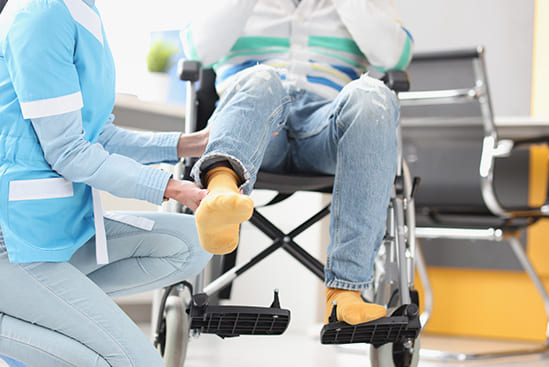



Joint degeneration and inflammation happens as the human body grows older, but that does not mean our way of life degenerates as well. Relief your joint pains with a joint effort together with your physiotherapist, who will provide pain-relief treatments and prescribe exercises for your wellbeing.

Common conditions in the older age population include hips & knee pain, back & neck pain, osteoarthritis, rheumatism, fear of falling and many more. Aging and degeneration of bodily function is inevitable, but here at Synapse, we will help you live the best of your life.