Synapse Physiotherapy | Physio Center | Rehab Malaysia
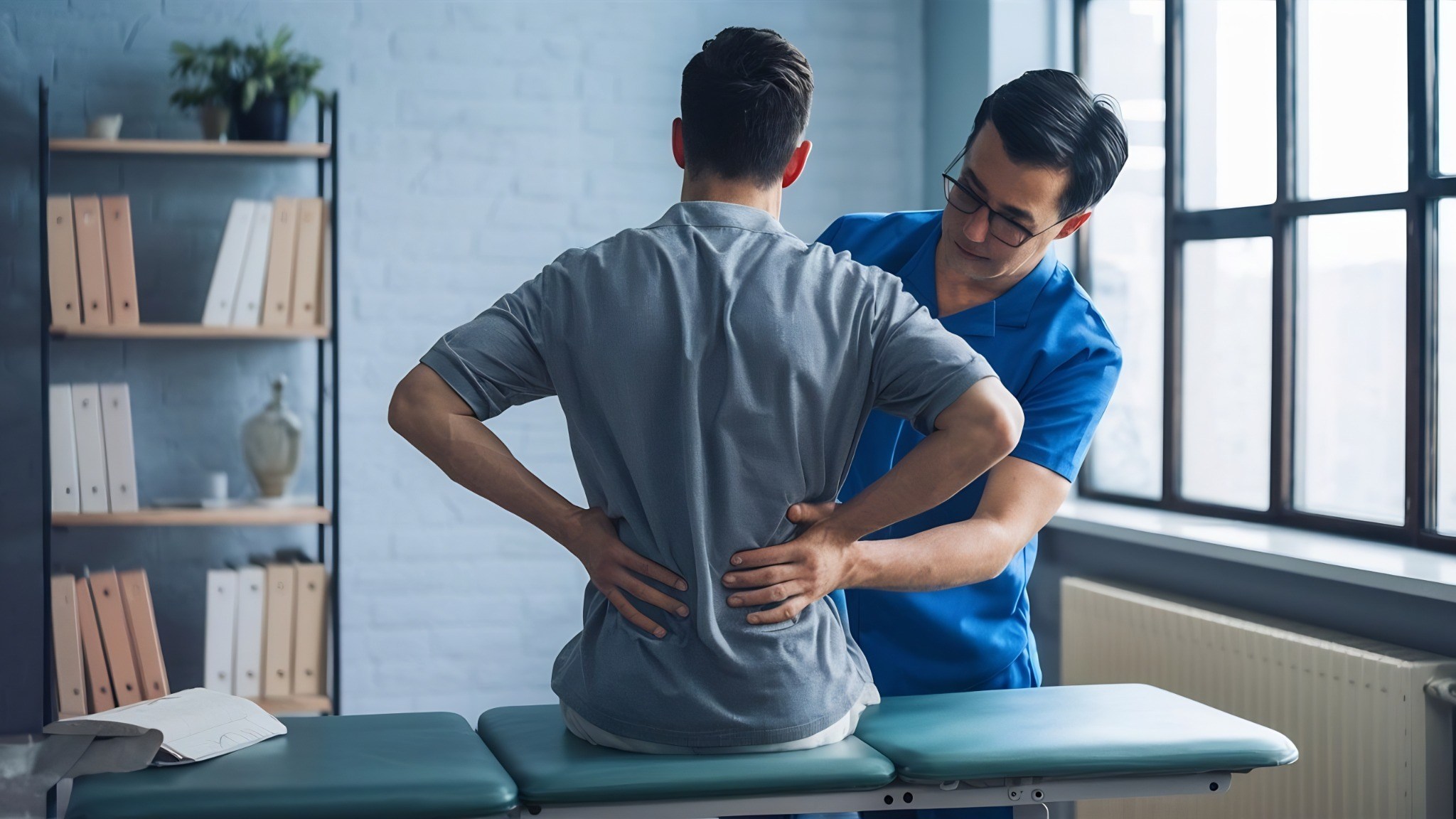
Home physiotherapy gives patients the opportunity to receive professional rehabilitation treatment in the comfort of their own home. It is particularly useful for people recovering from surgery, managing chronic conditions, or experiencing difficulty travelling to a physiotherapy clinic. One of the advantages of home-based physiotherapy is that effective treatment does not require large or complicated equipment.
Physiotherapists can use a combination of portable tools, household items, and bodyweight exercises to design an appropriate rehabilitation programme based on the patient’s condition and goals. The equipment used during a home visit will vary from person to person, but several types of tools are commonly brought along.
Resistance bands are among the most versatile pieces of equipment used during home physiotherapy. They are lightweight, portable, and available in different resistance levels, making them suitable for a wide range of patients and conditions.
A physiotherapist may use resistance bands to strengthen muscles in the arms, legs, hips, shoulders, and back. Someone recovering from a knee injury, for example, may perform resisted knee extension or hip strengthening exercises, while a person with shoulder problems may use bands for rotator cuff rehabilitation. Resistance can be gradually increased as the patient becomes stronger, making bands suitable for multiple stages of recovery.
Ankle weights provide additional resistance during strengthening exercises, particularly when a patient needs to progressively challenge a specific muscle group.
Exercises such as straight-leg raises, hip abduction, and knee extension can be performed with ankle weights when appropriate. However, additional resistance is not always necessary. A physiotherapist will consider the patient’s symptoms, strength, movement quality, and rehabilitation stage before deciding whether ankle weights are a suitable addition to the programme.
An exercise mat provides a comfortable and stable surface for floor-based exercises during a home visit.
Patients may perform exercises such as bridges, core work, stretching, mobility movements, and strengthening exercises on a mat. Using a mat also makes movements more comfortable when a patient needs to lie on their back, stomach, or side. It is a simple piece of equipment that significantly widens the range of exercises a physiotherapist can include in a session.
Balance training is an important component of rehabilitation for many patients, particularly older adults and those recovering from neurological conditions, lower-limb injuries, or surgery.
Depending on the patient’s abilities, a physiotherapist may use equipment such as foam pads, balance cushions, or small stability devices to make balance exercises progressively more challenging. A patient may begin with basic standing exercises on a stable surface before gradually progressing to a less stable one. Safety is a priority during balance training, so exercises are always supervised and matched to the patient’s current abilities. Synapse’s neurological rehabilitation programme incorporates balance and movement retraining for patients managing complex conditions.
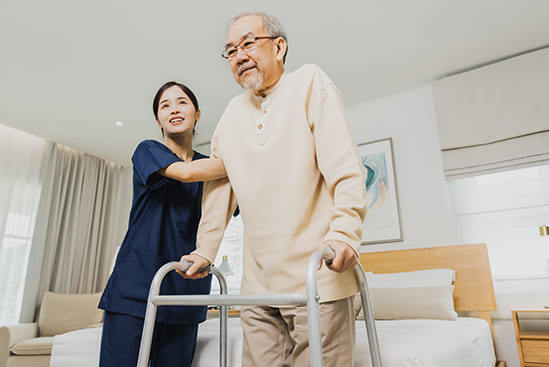
Some patients receiving home physiotherapy already use walking aids such as walking sticks, crutches, or walkers.
Rather than bringing specialised equipment, a physiotherapist can assess and train the patient using the walking aid they normally use in daily life. The physiotherapist may evaluate walking technique, posture, balance, weight-bearing ability, and the patient’s capacity to move safely through their home environment. This is one of the unique advantages of home-based rehabilitation: the physiotherapist can observe how the patient actually navigates their everyday surroundings rather than a clinical setting.
Not all physiotherapy equipment comes from a medical supplier. Everyday objects in the home can become effective rehabilitation tools.
A sturdy chair, for example, can be used for sit-to-stand exercises that strengthen the legs and improve functional mobility. A staircase can be incorporated into rehabilitation to assess and retrain a patient’s ability to climb and descend steps safely, particularly after lower-limb surgery or injury. These exercises closely resemble the activities patients need to perform in real life, which makes them especially relevant for building confidence and independence. Synapse’s geriatric rehabilitation programme makes particular use of functional, home-relevant exercises to help older patients move safely and confidently.
Physiotherapists may use therapy balls, stretching straps, foam rollers, and massage balls to support mobility and coordination during home visits.
A small therapy ball can be incorporated into exercises for the core, shoulders, hips, or lower limbs, depending on the patient’s condition. A stretching strap helps patients perform controlled stretches with better positioning, such as a supported hamstring stretch or shoulder mobility exercise. Foam rollers may be included as part of mobility or exercise programmes for appropriate patients. The goal is always to select tools that serve a specific rehabilitation purpose rather than to introduce equipment for its own sake.
Physiotherapy assessment is just as important as treatment, and several portable tools can support this during a home visit.
A physiotherapist may bring a goniometer to measure joint range of motion, a measuring tape, a blood pressure monitor, or a pulse oximeter when clinically appropriate. Some physiotherapists may also carry portable electrotherapy equipment such as TENS units for patients where this is indicated. However, specialised equipment is not required for effective physiotherapy. Many rehabilitation goals can be fully addressed through exercise, movement retraining, and patient education without any electrical devices at all.
Generally, no. One of the most common misconceptions about physiotherapy is that effective treatment requires a large collection of machines. In reality, many rehabilitation programmes can be delivered using bodyweight exercises, resistance bands, a chair, a set of steps, and other simple tools.
The most important factors are not the equipment, but the assessment, the exercise selection, the correct technique, the progression of difficulty over time, and the consistency of the patient between sessions. More equipment does not automatically mean better treatment. A physiotherapist can also teach patients how to safely continue their exercises between visits, effectively turning the home into an environment that supports long-term recovery.
Synapse offers a dedicated home visit physiotherapy service for patients across the Klang Valley, and our strength and conditioning programme is available for those who are ready to progress to more structured physical rehabilitation.
Physiotherapists delivering home visits in Malaysia should be registered with the Malaysian Physiotherapy Association (MPA) and regulated under the Allied Health Professions Act 2016, ensuring that the care you receive meets a recognised professional standard.
No. Your physiotherapist will bring whatever portable equipment is needed for your initial session. After assessing your condition and goals, they may recommend that you purchase simple items such as a resistance band or exercise mat for use between sessions, but these are inexpensive and widely available.
For many patients, home physiotherapy can be just as effective as clinic-based treatment, particularly when the goals relate to everyday functional activities. The added advantage of being assessed in your own environment means that exercises can be designed around your actual living space, furniture, and daily routine.
Home physiotherapy is particularly well suited to patients who have difficulty travelling to a clinic due to mobility limitations, post-surgical restrictions, or chronic conditions. It is also useful for older adults, patients in early post-operative recovery, and individuals whose home environment plays a central role in their rehabilitation goals
Clear enough floor space for the physiotherapist to work alongside you safely. Wear comfortable, loose-fitting clothing that allows easy access to the area being treated. If you already use walking aids or have been given any previous exercise equipment, have these available for your physiotherapist to review.
Yes. Home exercise programmes are a core part of physiotherapy treatment. Your physiotherapist will prescribe exercises appropriate for your condition and stage of recovery, with clear instructions on technique, repetitions, and how often to perform them. Consistency with these exercises between sessions plays a significant role in the speed and quality of your recovery.
At Synapse, our experienced physiotherapy team delivers professional home visit services across the Klang Valley, bringing evidence-based rehabilitation directly to patients who need it most. Whether you are recovering from surgery, managing a chronic condition, or working on strength and mobility, our physiotherapists will assess your needs and design a programme suited to your home environment and personal goals.
To find out more or to arrange a session, book your home physiotherapy appointment with Synapse today.
Tags :


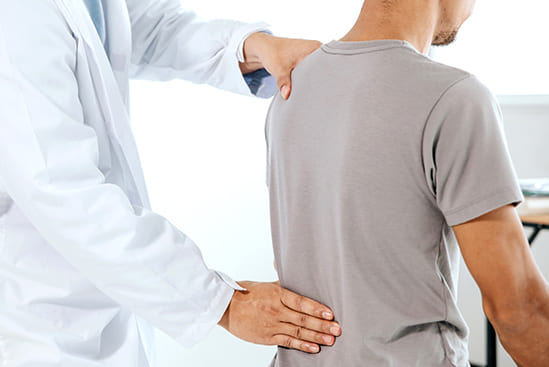
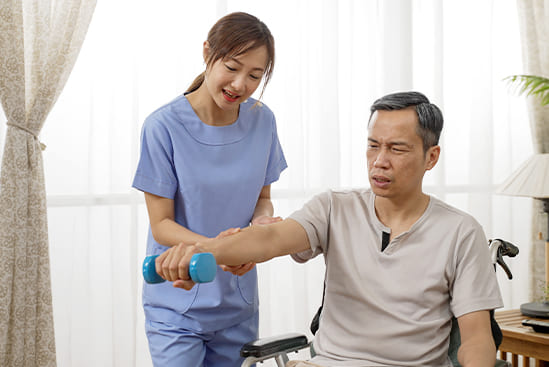
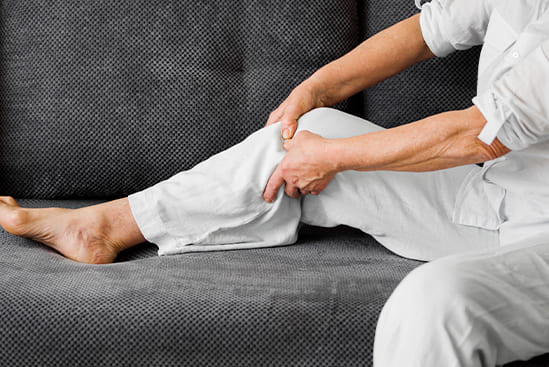
Joint degeneration and inflammation happens as the human body grows older, but that does not mean our way of life degenerates as well. Relief your joint pains with a joint effort together with your physiotherapist, who will provide pain-relief treatments and prescribe exercises for your wellbeing.
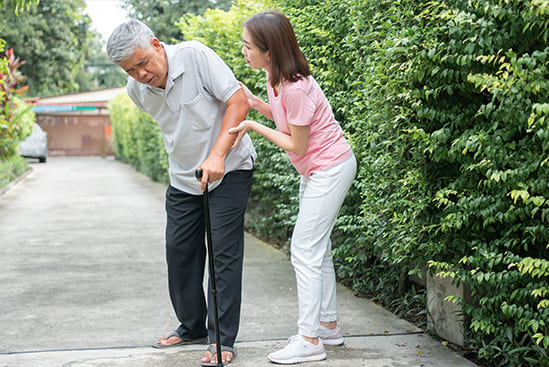
Common conditions in the older age population include hips & knee pain, back & neck pain, osteoarthritis, rheumatism, fear of falling and many more. Aging and degeneration of bodily function is inevitable, but here at Synapse, we will help you live the best of your life.