Synapse Physiotherapy | Physio Center | Rehab Malaysia
When recovering from an injury, managing chronic pain, or regaining movement after surgery, many people wonder whether Home Physiotherapy can provide the same benefits as visiting a clinic. Traditionally, physiotherapy has taken place in dedicated clinics with treatment tables, exercise equipment, and specialised tools, but home-based physiotherapy has become increasingly popular because it lets patients receive professional care in a familiar, convenient environment.
So, is Home Physiotherapy as effective as clinic-based treatment? In many situations, yes. Effectiveness depends less on the location of treatment and more on the quality of assessment, treatment planning, exercise prescription, patient participation, and consistency of care.
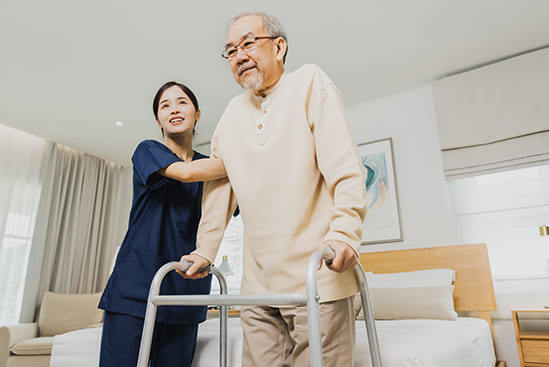
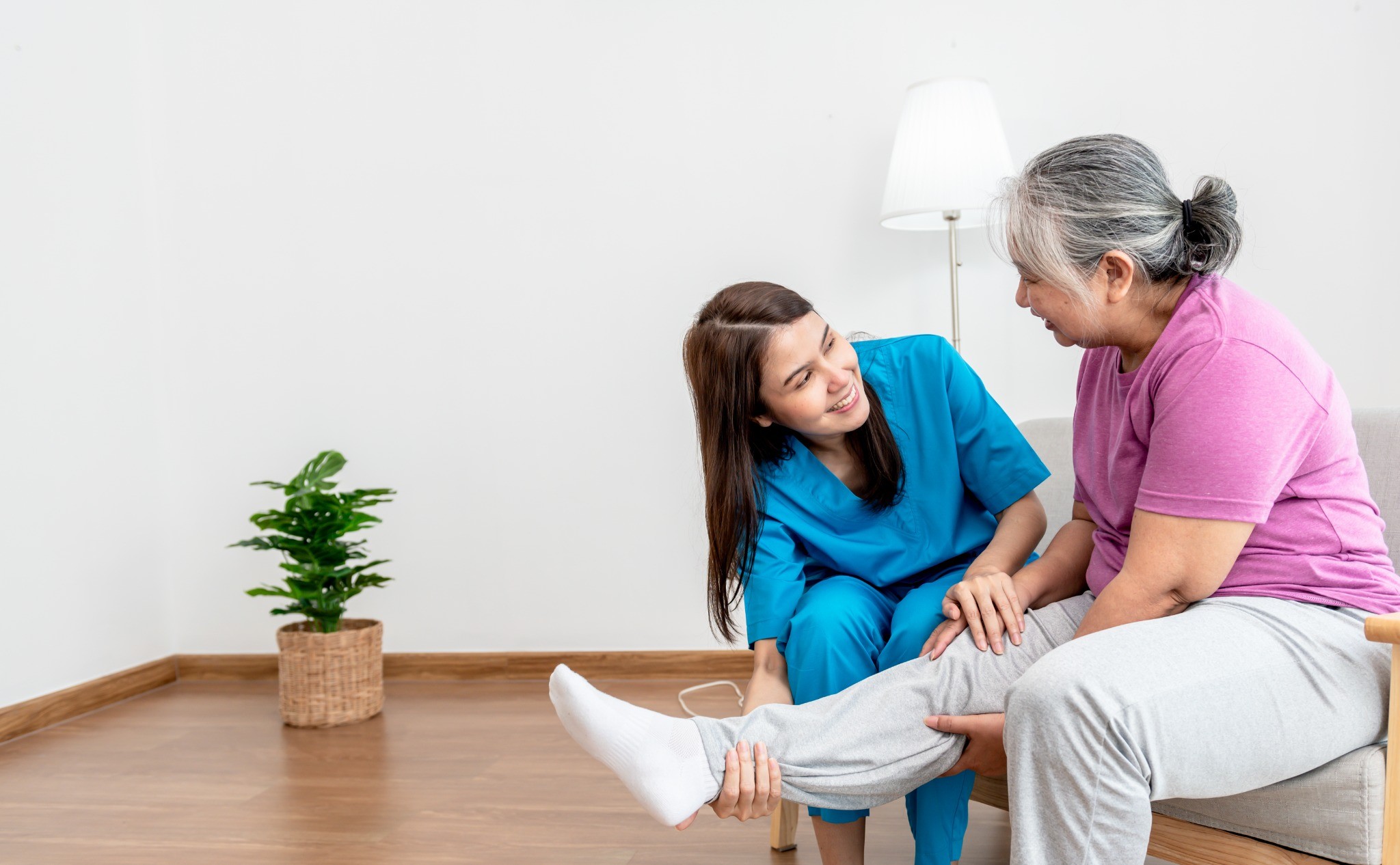
Home Physiotherapy involves a qualified physiotherapist travelling to a patient’s home to provide assessment, treatment, rehabilitation exercises, and education. The physiotherapist first evaluates the patient’s condition, movement limitations, strength, balance, pain levels, and functional abilities before building a treatment plan through a service such as home visit physiotherapy.
Depending on the individual’s needs, treatment may include:
Home sessions are particularly useful for people who have difficulty travelling to a clinic, including older adults, people recovering from surgery, individuals with mobility limitations, and patients experiencing significant pain or weakness.
Effectiveness is primarily determined by whether treatment addresses the patient’s specific condition and goals. A good programme should be based on an individual assessment rather than a generic set of exercises.
During a home session, the physiotherapist can assess how the patient moves within their actual living environment, which can reveal information that may not always be visible in a clinic. Someone recovering from a knee replacement, for example, may struggle to get up from their sofa, climb stairs, or move safely around their bedroom. A home physiotherapist can observe these difficulties directly and tailor exercises around the patient’s everyday activities, making this approach particularly relevant to functional recovery.
One of the biggest advantages is convenience. Patients do not have to travel to a clinic, find parking, or spend extra time commuting before and after appointments, which makes it easier for people with busy schedules or limited mobility to keep up regular treatment.
Comfort is another benefit. Some patients feel more relaxed being treated in their own home, and a familiar setting can make it easier to communicate concerns and take part in rehabilitation.
This can also provide a more realistic assessment of daily activities. A physiotherapist can identify potential hazards such as:
For older adults, this can be especially valuable when the goal is to improve independence and reduce the risk of falls, an area of care Synapse supports through its geriatric rehabilitation programme.
Clinic-based physiotherapy still has several important advantages. Clinics may have access to specialised equipment that is difficult to bring into someone’s home, such as treadmills, stationary bicycles, resistance machines, balance equipment, and treatment tables. These resources can help when patients require progressive strengthening or more advanced rehabilitation, and clinics can be particularly beneficial for athletes or those recovering from significant injuries.
However, more equipment does not automatically mean better treatment. Equipment should support a well-designed rehabilitation programme rather than replace proper assessment and active exercise, both central to the conditions Synapse treats across its clinics.
There is no universal answer, since the best setting depends on the patient’s condition, goals, mobility, and stage of recovery.
Home Physiotherapy may suit patients who are elderly, recovering from surgery, experiencing mobility difficulties, or unable to travel comfortably. Clinic physiotherapy may suit individuals who need specialised equipment, intensive sports rehabilitation, or a wider range of exercise machines.
In some cases, a combination of both may be ideal, with a patient beginning rehabilitation at home before transitioning to clinic sessions as strength and mobility improve.
Whether treatment happens at home or in a clinic, the physiotherapist’s clinical reasoning remains one of the most important factors in rehabilitation. A qualified physiotherapist should assess the patient’s condition, identify contributing factors, set realistic goals, and monitor progress over time, adjusting treatment as symptoms, strength, or mobility change.
Communication matters just as much. Patients should understand their condition, what they can safely do, and what to avoid, along with clear guidance for continuing rehabilitation between sessions.
Home Physiotherapy can be highly effective, but it is not necessarily the best option for every patient. Someone who requires specialised gym equipment may benefit more from clinic-based rehabilitation, and athletes returning to competitive sport may eventually need facilities difficult to replicate at home.
The home environment can also limit available resistance or exercise equipment. However, experienced physiotherapists can often adapt exercises using household objects, resistance bands, body weight, and other practical resources. The key question is whether the treatment environment lets the patient safely and progressively work toward their goals.
Patients can improve outcomes by actively taking part in their rehabilitation. Attending scheduled sessions matters, but what happens between sessions matters too. Following the prescribed home exercise programme consistently helps build strength, mobility, balance, and endurance over time, and patients should communicate openly with their physiotherapist about pain, difficulties, and changes in symptoms.
Creating a suitable space for exercise can also help, even a small area of the home. Most importantly, patients should focus on gradual progress rather than expecting immediate results, since recovery can take time depending on the condition.
Yes, when delivered by a qualified physiotherapist who properly assesses the home environment and adapts exercises accordingly.
Older adults, people recovering from surgery, those with mobility limitations, and patients who find it difficult to travel to a clinic.
Yes. Many patients begin with home-based care and transition to clinic sessions as strength and mobility improve, or vice versa.
Physiotherapists often use resistance bands, body weight exercises, and household items, adapting the programme to what is available.
An initial assessment can help determine whether your condition, goals, and living situation make home-based care a good fit.
Ultimately, the question is not simply whether Home Physiotherapy is better than clinic physiotherapy, but which environment best suits your needs. Home care offers convenience, personalised attention, and the chance to address real-life functional challenges in your own environment, while clinic sessions provide access to specialised equipment for more advanced rehabilitation. According to Johns Hopkins Medicine, targeted balance and strength exercises, whether performed at home or in a clinic, can meaningfully reduce the risk of falls in older adults.
For many patients, the most effective physiotherapy is the one they can attend consistently and fit into everyday life. Book an appointment with Synapse to find the setting that best supports your recovery.
Tags :



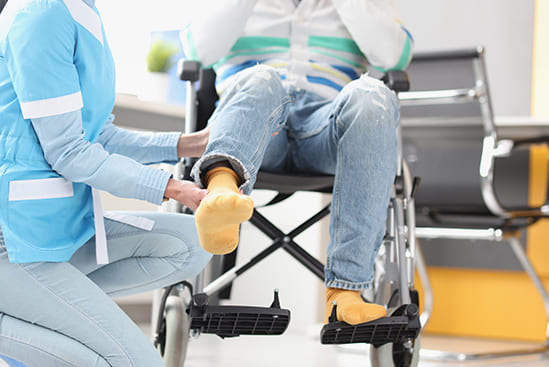


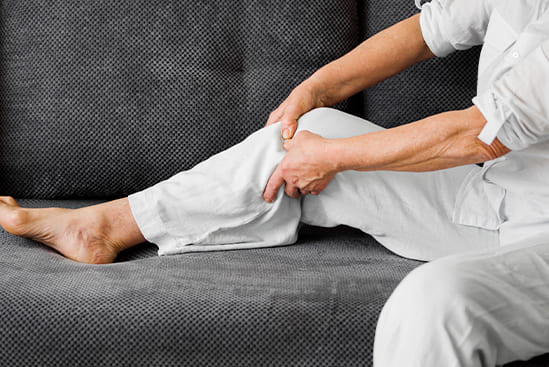
Joint degeneration and inflammation happens as the human body grows older, but that does not mean our way of life degenerates as well. Relief your joint pains with a joint effort together with your physiotherapist, who will provide pain-relief treatments and prescribe exercises for your wellbeing.

Common conditions in the older age population include hips & knee pain, back & neck pain, osteoarthritis, rheumatism, fear of falling and many more. Aging and degeneration of bodily function is inevitable, but here at Synapse, we will help you live the best of your life.