Synapse Physiotherapy | Physio Center | Rehab Malaysia
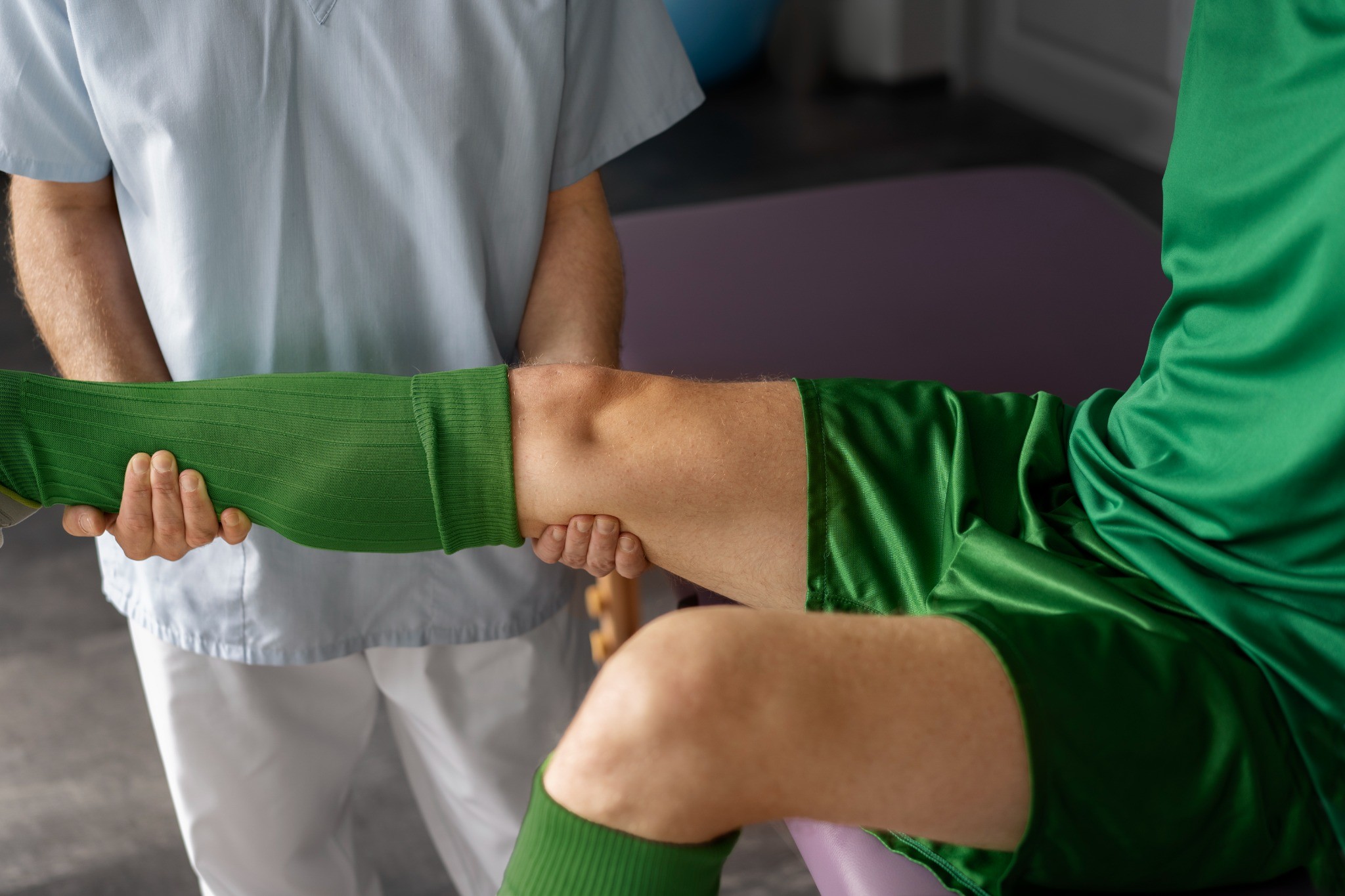
Recovering from a sports injury is rarely a one-size-fits-all process. Two athletes can share the same diagnosis but need completely different rehabilitation programmes depending on their injury severity, fitness level, sport, lifestyle, and goals. This is why a good sports injury clinic builds individualised rehabilitation plans rather than following the same routine for every patient. A personalised approach lets physiotherapists adjust treatment as the body responds, helping patients regain strength, mobility, confidence, and function safely.
A personalised rehabilitation plan considers more than the injured body part, looking at daily activities, sporting demands, previous injuries, physical capacity, and personal goals, aiming to return patients to work, leisure, or sport as safely as possible.
Every injury affects the body differently. A recreational runner recovering from a calf strain may need very different rehabilitation from a competitive footballer with the same injury. Age, fitness, training history, and sporting demands can all influence recovery.
A personalised plan at a sports injury clinic helps physiotherapists determine:
Personalisation begins before exercise starts. A physiotherapist will usually discuss the patient’s symptoms, injury history, lifestyle, training routine, and goals. One patient may want to simply walk without pain, while another wants to return to competitive badminton, and these goals require different targets.
During the consultation, the physiotherapist may ask how the injury happened, current symptoms, previous injuries, daily activities, and training habits. Understanding these details lets the programme reflect the patient’s real-life needs, an approach detailed further under sport physiotherapy.
After the consultation, the physiotherapist performs a physical assessment covering joint range of motion, muscle strength, flexibility, balance, joint stability, and sport-specific movement.
For example, someone recovering from a knee injury may walk comfortably but show poor single-leg control during a squat or landing, a finding that shapes the exercises selected. This assessment also helps uncover contributing factors behind the original injury.
Pain is not always the only issue after an injury. Patients may also develop weakness, reduced mobility, poor balance, or compensatory movement patterns, so a sports injury clinic often assesses the entire movement chain rather than just the painful area.
An athlete with knee pain may also have weak hip muscles, reduced ankle mobility, or poor landing mechanics. Addressing these factors makes rehabilitation more comprehensive and reduces the risk of recurring problems.
Personalised rehabilitation works best when patients know what they are working toward. Goals are usually staged:
This staged approach makes progress easier to monitor and gives patients clear milestones.
Exercise is central to sports rehabilitation, but the same exercise is not right for every patient. A physiotherapist selects exercises based on current strength, symptoms, injury stage, and functional goals, which may include mobility work, resistance training, balance and proprioception exercises, plyometrics, and sport-specific drills. Overall strength is often built through strength conditioning alongside the injury-specific programme.
A personalised plan changes as the patient improves. Rehabilitation after an ankle sprain, for example, may progress from basic movement to resistance exercises, single-leg balance, hopping, agility work, running, and finally sport-specific drills.
Loading must be carefully managed, since excessive increases in training load can raise injury risk, so progress is adjusted according to the individual’s capacity and demands.
Recovery does not always follow a predictable timeline. Some patients improve quickly, while others experience setbacks. Physiotherapists at a sports injury clinic regularly reassess patients and adjust the programme, reducing resistance or repetitions if symptoms flare up, or increasing intensity when progress is going well. This flexibility is a key difference between personalised rehabilitation and a generic exercise sheet.
Rehabilitation should eventually reflect the movements required in the patient’s sport. A football player may need to regain sprinting, changing direction, kicking, and landing safely, while a badminton player may need lateral movement, lunging, and repeated overhead motions. Sport-specific work bridges the gap between being medically recovered and being physically prepared to perform.
Returning to sport is not just about completing exercises. A physiotherapist also helps determine how often to train, when to increase intensity, when to rest, and how to balance rehabilitation with normal training. According to the International Olympic Committee, individualised monitoring of training and competition load is essential for reducing injury risk in athletes.
Being pain-free does not automatically mean an athlete is ready for full participation. Before clearing a return, a physiotherapist may assess strength, balance, coordination, agility, and sport-specific movement. Functional testing helps confirm whether the athlete has regained the physical capacity their sport demands, particularly at a higher competitive level.
Successful rehabilitation is a partnership between physiotherapist and patient. Patients play their part by following the home exercise programme, communicating changes in symptoms, attending appointments, and following advice on activity and recovery. Good communication lets the physiotherapist make the right adjustments, and patients should understand that recovery sometimes means doing less, not more, to let irritated tissue heal.
Personalised rehabilitation should continue beyond symptom relief. Once recovered, a sports injury clinic can address factors that raise the risk of future injury through strength and conditioning, mobility training, technique correction, and training-load management, helping patients become more resilient over time.
It focuses specifically on athletic recovery, combining injury management with sport-specific strength, movement, and return-to-play testing.
This varies depending on the injury, severity, and sport, ranging from a few weeks for mild strains to several months for complex injuries.
No. Exercises are progressed or adjusted regularly based on how your body responds and your recovery stage.
They assess strength, balance, agility, and sport-specific movement, often comparing both limbs, rather than relying on pain levels alone.
Yes. A tailored programme can address underlying weaknesses and movement patterns that contributed to the original injury.
A personalised rehabilitation plan is one of the most valuable aspects of treatment at a sports injury clinic. Rather than giving every patient the same exercises, physiotherapists consider the individual’s injury, physical abilities, lifestyle, sport, and goals. From the initial assessment through strength training, movement retraining, load management, and return-to-sport testing, each stage is adjusted according to progress, with the aim of rebuilding capacity, confidence, and resilience. Book an appointment with Synapse to start your personalised recovery plan today.
Tags :



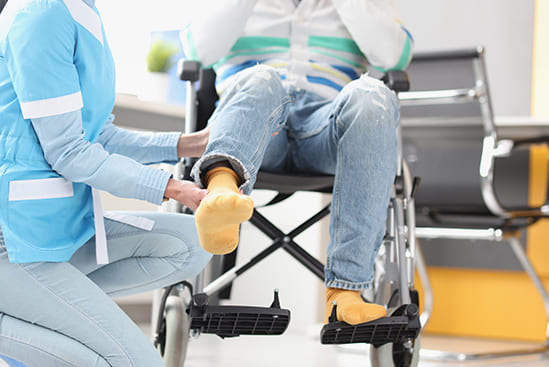


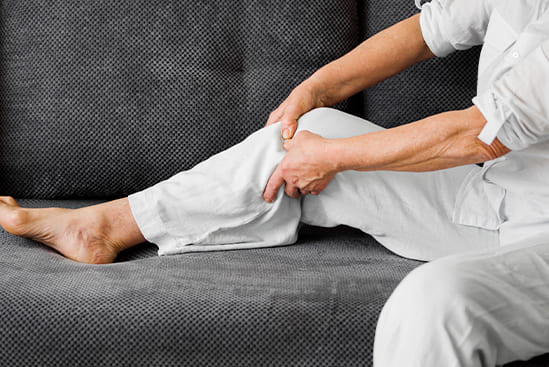
Joint degeneration and inflammation happens as the human body grows older, but that does not mean our way of life degenerates as well. Relief your joint pains with a joint effort together with your physiotherapist, who will provide pain-relief treatments and prescribe exercises for your wellbeing.

Common conditions in the older age population include hips & knee pain, back & neck pain, osteoarthritis, rheumatism, fear of falling and many more. Aging and degeneration of bodily function is inevitable, but here at Synapse, we will help you live the best of your life.