Synapse Physiotherapy | Physio Center | Rehab Malaysia
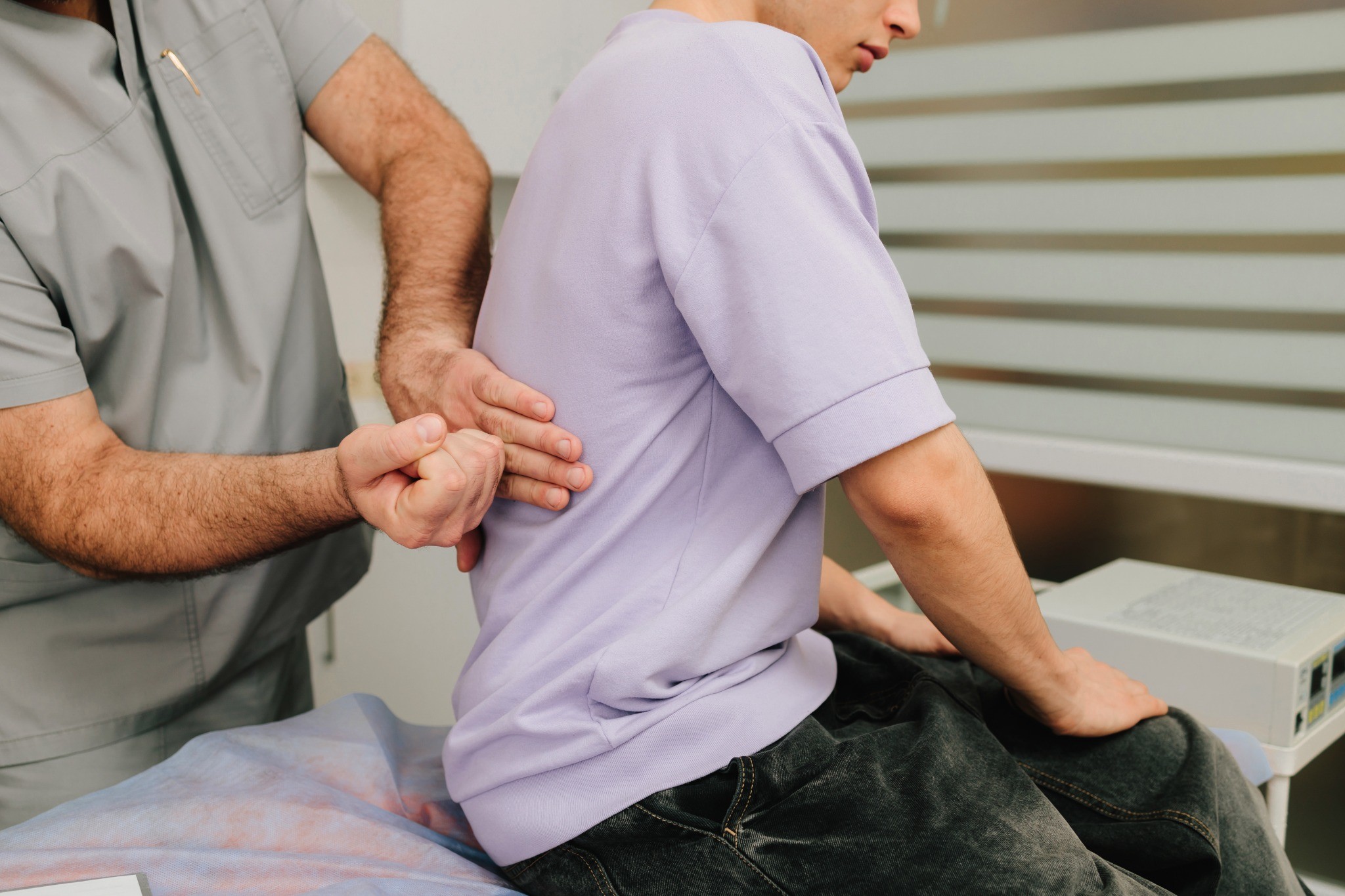
A slip disc can be painful, frustrating, and disruptive, especially when it affects your ability to sit, walk, sleep, or work comfortably. Many people search for physiotherapy for slip disc because they want to know two things right away: whether it can help, and how long recovery may take. The honest answer is that recovery varies, but with the right treatment plan, many people notice steady improvement over weeks rather than months.
A slip disc, also called a herniated or prolapsed disc, happens when the soft inner material of a spinal disc pushes out through its tougher outer layer. This can irritate nearby nerves and cause pain in the lower back, neck, buttocks, or legs, depending on where the disc is located. Some people also experience tingling, numbness, or weakness.
The severity of symptoms does not always match the size of the disc problem. A small disc bulge can sometimes cause significant discomfort, while a larger one may improve with conservative care. That is why an assessment from a physiotherapist or doctor is important before assuming the worst.
Physiotherapy for slip disc is often used to reduce pain, improve movement, and support healing without surgery. A physiotherapist may assess posture, spinal mobility, muscle strength, nerve irritation, and movement patterns to understand what is contributing to the problem, using the same thorough approach applied across the range of conditions we treat. From there, they can design a plan that fits your symptoms and goals, often built around Synapse’s spine and core rehabilitation programmes.
Treatment may include gentle mobility exercises, core strengthening, posture correction, nerve gliding exercises, manual therapy, and advice on how to move safely during daily activities. The aim is not only to calm symptoms but also to help your spine function better so the problem is less likely to keep returning.
Recovery time with physiotherapy for slip disc is different for everyone, but many people begin to feel some relief within a few weeks of starting treatment, a pattern broadly echoed in NHS guidance on slipped discs.
In mild cases, improvement may be noticeable in two to six weeks, especially if symptoms are caught early and the person follows advice consistently. More moderate cases may take six to twelve weeks or longer before symptoms settle significantly. In some situations, recovery can take several months. This is more likely if the disc problem is severe, if nerve symptoms are present, if the person has had pain for a long time, or if daily habits continue to aggravate the spine. Recovery is often gradual rather than sudden, and small improvements week by week are a good sign.
Several things can influence how long recovery takes. The first is the severity of the disc injury and whether it is pressing on a nerve. Symptoms that stay local to the back may recover faster than pain that travels down the leg or causes weakness. The longer symptoms have been present, the more time healing may take.
Lifestyle also matters. People who remain active in a sensible way often do better than those who stay in bed for long periods. On the other hand, doing too much too soon can slow progress. The goal is to find the right balance between rest, movement, and strengthening, which is part of what a personalised pain management plan is designed to work out.
Age, general fitness, body mechanics, work demands, stress levels, and whether you smoke can also affect recovery. Someone with a physically demanding job may need more time and a more careful return-to-work plan than someone who can adjust their routine more easily.
In the early phase of physiotherapy, the focus is usually on reducing pain and protecting the spine from repeated strain. Your therapist may teach you positions or movements that ease pressure on the disc and recommend activity changes that reduce irritation. You may also be given simple exercises to keep the spine mobile without making symptoms worse.
As pain improves, the programme usually becomes more active. This often includes strengthening the core, hips, and back muscles, since better support around the spine can reduce stress on the injured area. You may also work on posture, lifting technique, flexibility, balance, and endurance depending on your needs.
The recovery process often has stages: first comes symptom control, then restoration of movement, then rebuilding strength and confidence, and finally return to normal activity. It is common for a physiotherapist to adjust the programme several times as you improve.
Home care plays a major role in recovery. Following your exercise plan consistently can make a noticeable difference in how quickly you improve. It also helps to avoid long periods of sitting, especially if that position makes symptoms worse. Taking short walking breaks and changing positions regularly can reduce stiffness.
Good sleep posture, supportive seating, and proper lifting habits may also help. If your therapist advises avoiding bending, twisting, or heavy lifting for a period of time, it is important to follow that guidance. Healing is usually faster when you stop repeatedly irritating the disc.
You should also pay attention to symptom patterns. If a certain movement makes the pain ease or centralise, that may be useful information for your therapist. If something repeatedly causes sharper pain or more leg symptoms, it should be discussed so your plan can be adjusted.
Not every slip disc responds quickly. Recovery may take longer if the disc herniation is large, if pain has lasted for months, or if nerve irritation is significant. People who have repeated flare-ups or who return too quickly to heavy activity may also experience slower progress.
In some cases, physiotherapy alone may not be enough, especially if weakness or nerve compression becomes more serious. A doctor may recommend imaging, medication, injections, or a surgical opinion if symptoms do not improve as expected. This does not mean physiotherapy failed; it simply means a different level of care may be needed.
Although most slip disc cases improve with conservative treatment, some symptoms need immediate medical attention.
These include severe or worsening leg weakness, loss of bladder or bowel control, numbness in the groin area, or rapidly increasing pain with neurological changes. These can be signs of a serious nerve problem and should be treated as a medical emergency.
If your symptoms are stable but not improving, it is still worth following up with your physiotherapist or doctor, or reading more about when it’s time to see a spine specialist. Recovery plans often need fine-tuning, and early adjustments can prevent setbacks.
Many people notice initial relief within two to six weeks in mild cases, while more moderate cases can take six to twelve weeks or longer before symptoms settle significantly.
Not necessarily. The severity of symptoms doesn’t always match the size of the disc problem, as a small bulge can sometimes cause significant discomfort while a larger one may improve with conservative care.
No, staying in bed for long periods can actually slow recovery. Remaining sensibly active, while avoiding movements that worsen symptoms, tends to support better healing.
Severe or worsening leg weakness, loss of bladder or bowel control, numbness in the groin area, or rapidly increasing pain with neurological changes are red flags that need immediate medical attention.
If progress stalls, a doctor may recommend imaging, medication, injections, or a surgical opinion. This doesn’t mean physiotherapy failed, it simply means a different level of care may be needed at that stage.
So, how long does recovery take? For many people, improvement begins within a few weeks, with more significant recovery often happening over six to twelve weeks. Some cases take longer, but physiotherapy for slip disc can be highly effective when the treatment plan is consistent, progressive, and matched to your symptoms.
The most important thing is not to judge progress by pain alone. Better movement, less frequent flare-ups, improved strength, and a return to normal activities are all signs that healing is happening. With patience, proper guidance, and steady effort, many people recover well and get back to everyday life with much less discomfort.
If your symptoms aren’t improving on their own, book an assessment with Synapse and get a recovery plan built around your specific condition.
Tags :



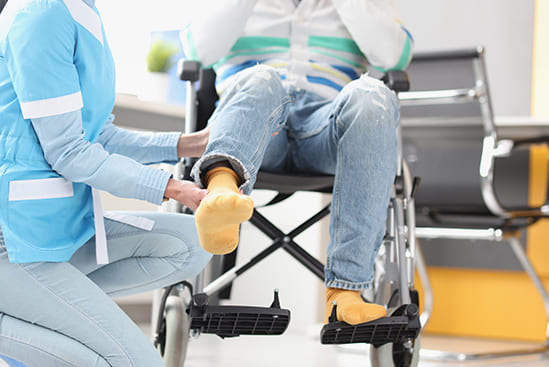


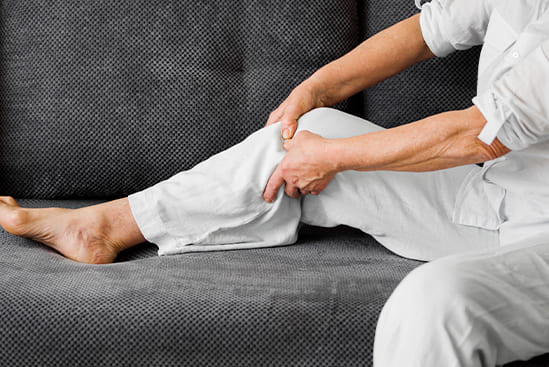
Joint degeneration and inflammation happens as the human body grows older, but that does not mean our way of life degenerates as well. Relief your joint pains with a joint effort together with your physiotherapist, who will provide pain-relief treatments and prescribe exercises for your wellbeing.

Common conditions in the older age population include hips & knee pain, back & neck pain, osteoarthritis, rheumatism, fear of falling and many more. Aging and degeneration of bodily function is inevitable, but here at Synapse, we will help you live the best of your life.