Synapse Physiotherapy | Physio Center | Rehab Malaysia

A slipped disc, also known as a herniated or prolapsed disc, can cause back pain, stiffness, numbness, tingling, and sometimes weakness that travels into the legs or arms. These symptoms can affect everyday activities, work, exercise, and sleep. Physiotherapy for slip disc is commonly used as part of a conservative treatment plan to help manage symptoms, improve movement, and restore physical function.
At Synapse, physiotherapy treatment is typically tailored to each patient’s symptoms, physical condition, and recovery goals. Rather than using the same exercises for everyone, the physiotherapist first assesses the patient’s condition before developing an appropriate treatment programme. Understanding what to expect during the process can help patients feel more comfortable and prepared for their first appointment.
The spine consists of a series of vertebrae separated by soft discs that act as cushions and help absorb shock during movement. Each disc has a strong outer layer and a softer inner portion.
A slipped disc can occur when the inner material pushes through a weakened or damaged area of the outer layer. Depending on its location and severity, the disc may irritate or compress nearby nerves, which can result in:
Not everyone with a slipped disc experiences the same symptoms, which is why physiotherapy for slip disc is always built around an individual assessment.
The first appointment usually begins with an assessment. The physiotherapist will ask questions about your symptoms, including when they started, what activities make them worse, and whether the pain travels to another part of the body.
You may also be asked about:
This information helps the physiotherapist understand your condition and identify factors that may be contributing to your symptoms.
After discussing your symptoms, the physiotherapist may perform a physical assessment. This can involve observing your posture, walking pattern, spinal movement, flexibility, and muscle function.
You may be asked to bend, straighten, rotate, or move your back in specific directions, since these movements help determine which activities reproduce or relieve your symptoms. Depending on your symptoms, the assessment may also include checking muscle strength, sensation, reflexes, and nerve-related signs, which is particularly important when a slipped disc may be affecting a spinal nerve. You should tell your physiotherapist if a particular movement causes significant pain or other concerning symptoms.
After the assessment, your physiotherapist will explain their findings and discuss a treatment plan with you. The programme may include exercises, manual therapy, movement education, posture advice, and strategies for managing everyday activities.
The exact approach to physiotherapy for slip disc depends on the individual’s symptoms and physical condition. Someone experiencing acute pain may initially require a different approach from someone who has had recurring symptoms for several months. Your physiotherapist may also explain what activities you should temporarily modify and which movements can be gradually reintroduced as your condition improves.
Exercise is often an important component of physiotherapy for slip disc symptoms. You may be given gentle movements to maintain spinal mobility and reduce stiffness. As symptoms become more manageable, strengthening exercises may be introduced to improve the muscles that support the spine and pelvis.
Core, hip, and lower-limb strengthening can help improve overall movement control and physical capacity, with exercises progressing gradually as your strength and confidence improve. Your physiotherapist will usually demonstrate each exercise and explain how often it should be performed.
Depending on the individual’s condition, manual therapy may be incorporated into treatment. This can include hands-on techniques intended to improve movement, reduce muscle tension, or provide short-term pain relief. Manual therapy is generally used alongside active rehabilitation rather than as the only form of treatment, and techniques used should be appropriate for your symptoms, medical history, and physical tolerance.
Managing a slipped disc is not only about what happens during physiotherapy sessions. Your physiotherapist may provide advice about sitting, standing, lifting, sleeping positions, and other daily tasks. If your work involves prolonged sitting, repetitive movements, or lifting, adjustments may be recommended to reduce unnecessary strain. You may also learn how to move more confidently rather than becoming overly fearful of normal movement.
Pain can vary during recovery, and progress is not always completely linear. Your physiotherapist can help you monitor symptoms and modify exercises when necessary, and a structured pain management approach may be used alongside exercise therapy to keep discomfort manageable.
During follow-up appointments, your physiotherapist assesses how you are responding to the programme and makes appropriate adjustments. Exercises may become more challenging as your strength and mobility improve, and your programme may also be adapted to help you return to specific activities such as recreational exercise, work duties, or sports. For patients with more complex spinal involvement, a structured spine and core rehabilitation programme can provide a more comprehensive path back to full function, an approach consistent with Mayo Clinic’s view that most herniated disc symptoms can be managed effectively without surgery.
Most cases of slipped disc-related symptoms can be assessed and managed conservatively, but certain symptoms require urgent medical attention. Seek prompt medical evaluation if you experience:
These symptoms should not be managed through routine physiotherapy alone. A medical professional should assess them urgently.
Many patients notice improvement within a few weeks of consistent treatment, though recovery timelines vary depending on symptom severity and how long they have been present.
Yes, provided the assessment is thorough and exercises are matched to your tolerance. Treatment is typically gentler in the acute phase and progresses gradually.
Most people respond well to conservative treatment such as physiotherapy, and surgery is usually only considered when symptoms are severe or do not improve over time.
Generally yes, though certain movements may need to be modified temporarily. Your physiotherapist will guide you on which activities are safe to continue.
It helps to bring any relevant scans or medical reports, a list of current medications, and comfortable clothing that allows you to move freely during the assessment.
A physiotherapy programme for a slipped disc typically begins with a detailed assessment before treatment is customised to the patient’s symptoms and goals. At Synapse, patients can expect the physiotherapy process to focus on understanding their condition, managing symptoms, improving movement, strengthening supporting muscles, and gradually returning to normal activities.
Treatment may include exercise therapy, manual techniques, education, posture and movement advice, and ongoing progress monitoring. Because every slipped disc is different, physiotherapy for slip disc should always be individualised rather than based on a one-size-fits-all approach. If back or leg symptoms are affecting your daily activities, book an appointment with the Synapse team to find out whether physiotherapy is right for you.
Tags :






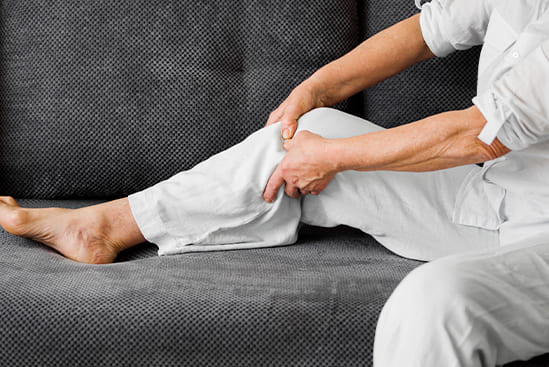
Joint degeneration and inflammation happens as the human body grows older, but that does not mean our way of life degenerates as well. Relief your joint pains with a joint effort together with your physiotherapist, who will provide pain-relief treatments and prescribe exercises for your wellbeing.

Common conditions in the older age population include hips & knee pain, back & neck pain, osteoarthritis, rheumatism, fear of falling and many more. Aging and degeneration of bodily function is inevitable, but here at Synapse, we will help you live the best of your life.