Synapse Physiotherapy | Physio Center | Rehab Malaysia

Shin splints are one of the most common overuse injuries affecting runners, athletes, and anyone who takes part in high-impact activities. The pain can make walking, running, or even standing for long periods uncomfortable, often disrupting training schedules and daily routines. Fortunately, early shin splints treatment from a professional sports injury clinic can speed up recovery, relieve pain, and reduce the risk of recurring injuries.
Shin splints, medically known as medial tibial stress syndrome (MTSS), refer to pain along the inner edge of the shinbone (tibia). The condition develops when repetitive stress causes inflammation in the muscles, tendons, and connective tissues attached to the tibia. OrthoInfo from the American Academy of Orthopaedic Surgeons has a detailed overview of the condition if you’d like to read further.
Shin splints commonly occur in people who suddenly increase their training intensity, begin a new exercise program, or take part in repetitive impact activities such as running, basketball, football, or dancing.
If left untreated, shin splints may progress to more serious conditions, including stress fractures.
Before beginning treatment, a sports injury clinic carefully identifies the factors contributing to your injury. Understanding the cause is essential for preventing future flare-ups. Some of the most common causes include:
Many athletes experience shin splints due to a combination of these factors rather than a single cause.
Effective treatment begins with a detailed assessment. A sports injury clinic will evaluate your symptoms, medical history, activity level, and training habits before performing a physical examination. The assessment may include:
If symptoms suggest a more serious injury, such as a stress fracture, your healthcare provider may recommend imaging tests like X-rays or MRI scans to confirm the diagnosis. A thorough evaluation ensures the treatment plan addresses the underlying cause rather than simply masking pain.
Reducing pain and inflammation is often the first priority. A sports injury clinic may recommend a tailored pain management plan alongside temporarily modifying your activity to reduce stress on the injured tissues while allowing healing to begin. Early treatment may include:
Patients are usually encouraged to avoid activities that trigger pain while maintaining general fitness through low-impact exercises such as swimming or cycling.
Hands-on treatment is an important part of rehabilitation. Physiotherapists at a sports injury clinic often use manual therapy techniques to improve mobility, reduce muscle tension, and enhance circulation around the injured area. Common techniques include:
These treatments help reduce tightness in the calves, ankles, and surrounding muscles that may contribute to excessive stress on the shin.
Weak muscles often contribute to poor lower limb mechanics, increasing the risk of shin splints. A sports injury clinic develops individualized strengthening programmes that target the muscles responsible for supporting proper movement. Exercises may focus on strengthening:
Improving strength throughout the lower body helps distribute forces more evenly during walking and running, reducing strain on the shinbone.
Muscle tightness is another major contributor to shin splints. Tight calf muscles and Achilles tendons limit ankle mobility, increasing stress during impact activities. A sports injury clinic prescribes stretching exercises designed to improve flexibility while restoring normal movement patterns. Common stretches include:
Regular stretching improves mobility and decreases tension on the tissues surrounding the tibia.
Poor running mechanics often play a significant role in developing shin splints. Many sports injury clinic professionals perform gait analysis to observe how you walk or run. This evaluation helps identify issues such as:
Based on these findings, your therapist provides technique corrections that improve efficiency while reducing unnecessary stress on the lower legs. Even small adjustments in running form can significantly reduce the risk of future injuries.
Worn-out or poorly fitted shoes are a common cause of shin splints. A sports injury clinic may assess your footwear and recommend shoes that provide appropriate cushioning and support for your foot type. For some patients, custom or prefabricated orthotic inserts may also help correct biomechanical abnormalities such as overpronation. Proper footwear improves shock absorption and promotes healthier movement patterns during physical activity.
Returning to training too quickly often causes shin splints to recur. A sports injury clinic develops a structured sport physiotherapy program that gradually increases physical demands while monitoring pain levels. The program typically progresses through stages such as:
Advancing through each stage only when symptoms remain under control reduces the risk of re-injury.
One of the most valuable services offered by a sports injury clinic is education. Patients learn strategies to reduce future injury risk, including:
Understanding how to care for your body empowers you to continue exercising safely.
Many athletes attempt to “run through” shin pain, believing it will eventually disappear. Unfortunately, ignoring symptoms often worsens the condition and increases the likelihood of developing stress fractures or chronic pain.
Seeking treatment from a sports injury clinic early allows healthcare professionals to identify the problem before it progresses. Early intervention usually leads to shorter recovery times, improved treatment outcomes, and a faster return to activity.
Many people notice improvement within two to four weeks of consistent treatment, though full recovery can take longer if training resumes too quickly.
Low-impact activities such as swimming or cycling are often encouraged, while high-impact activities like running are usually reduced or modified until symptoms settle.
Shin splints typically cause pain over a broader area that eases with rest, while a stress fracture tends to cause more localised, persistent pain that a sports injury clinic can help distinguish through assessment and imaging if needed.
Footwear and orthotics can help correct biomechanical issues, but they usually work best alongside strengthening, stretching, and gradual training adjustments rather than as a standalone fix.
A sports injury clinic will usually guide you through a staged return, only progressing to the next level of activity once you can complete the current stage without pain.
Shin splints are a common but highly treatable overuse injury when addressed promptly. A professional sports injury clinic provides comprehensive care that goes beyond pain relief by identifying the root cause of your symptoms and developing a personalized rehabilitation program.
Through detailed assessments, manual therapy, strengthening exercises, stretching programs, gait analysis, footwear recommendations, and gradual return-to-sport planning, you can recover safely while reducing the risk of future injuries. If you’ve been experiencing persistent shin pain during exercise or daily activities, don’t ignore the warning signs. Book an assessment with our physiotherapy team and get the right shin splints treatment plan to return to the activities you enjoy with greater strength and confidence.
Tags :



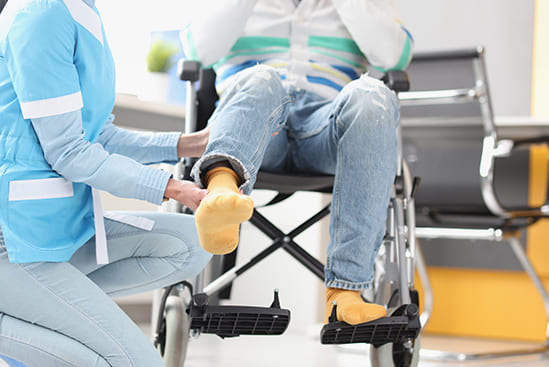


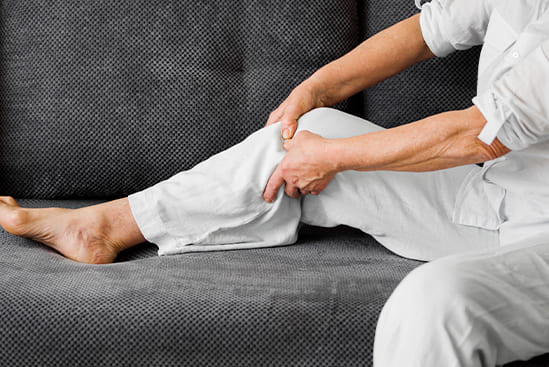
Joint degeneration and inflammation happens as the human body grows older, but that does not mean our way of life degenerates as well. Relief your joint pains with a joint effort together with your physiotherapist, who will provide pain-relief treatments and prescribe exercises for your wellbeing.

Common conditions in the older age population include hips & knee pain, back & neck pain, osteoarthritis, rheumatism, fear of falling and many more. Aging and degeneration of bodily function is inevitable, but here at Synapse, we will help you live the best of your life.