Synapse Physiotherapy | Physio Center | Rehab Malaysia
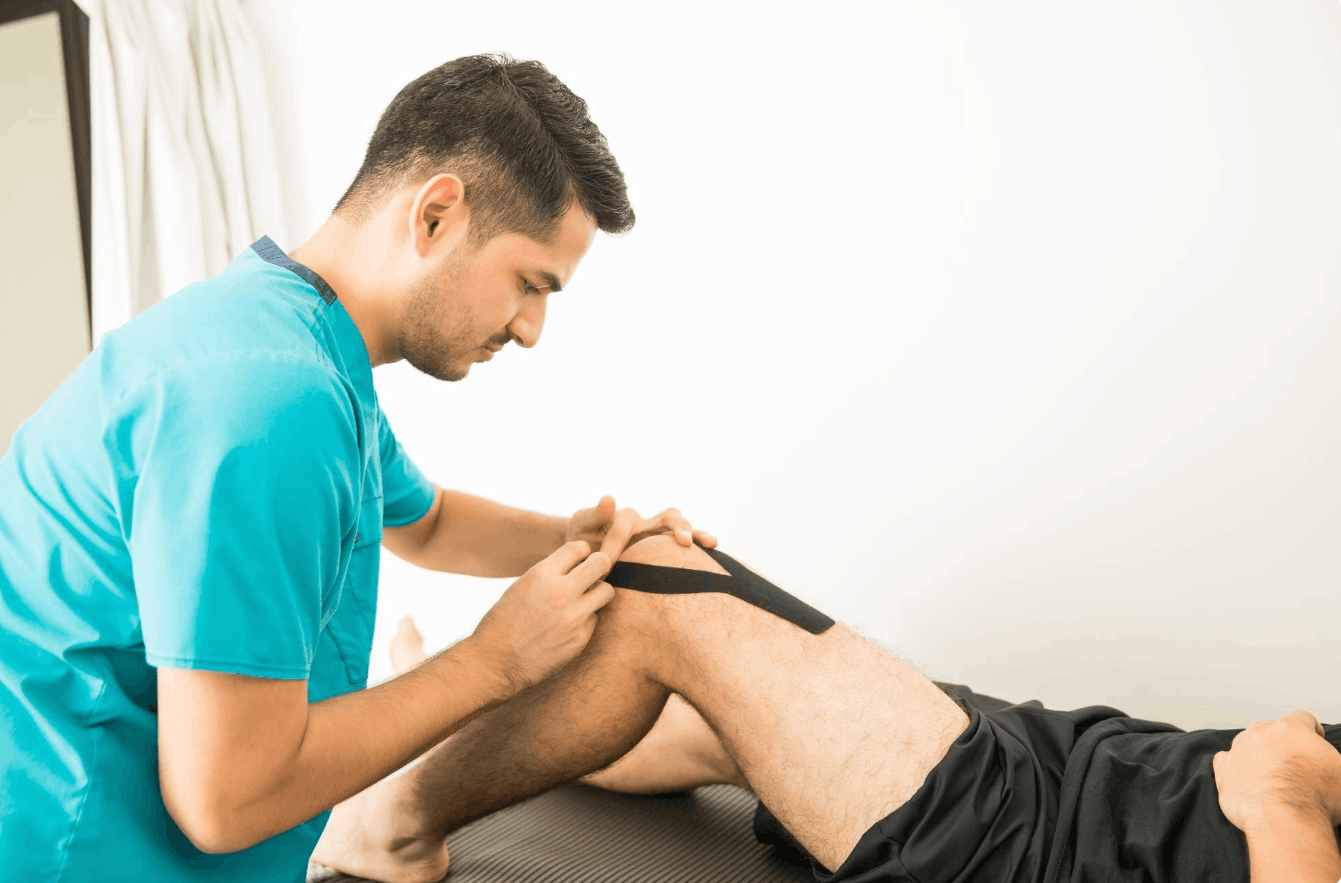
Sports injuries can affect anyone, from professional athletes and gym users to weekend runners and active individuals. While some injuries may seem serious at first, many musculoskeletal conditions can be treated successfully without surgery when they are assessed early and managed properly. This is where a sports injury clinic plays an important role.
A sports injury clinic provides structured non-surgical care for pain, swelling, weakness, stiffness and movement problems caused by sport or physical activity. The goal is not only to reduce symptoms, but also to restore movement, rebuild strength and help patients return safely to exercise, sport or daily life.
At Synapse Physiotherapy, patients can receive guided physiotherapy care for sports-related injuries through assessment, rehabilitation and education. With the right plan, many injuries can recover naturally while reducing the risk of future problems.
Sports injuries occur when muscles, tendons, ligaments, joints or bones are overloaded during physical activity. Some injuries happen suddenly after a twist, fall, collision or awkward landing. Others develop gradually because of repetitive stress, poor technique, overtraining or inadequate recovery.
Common sports injuries include:
According to the NHS guide to sprains and strains, sprains and strains are common injuries affecting muscles and ligaments. Some can improve with self-care, but symptoms that are severe, persistent or not improving should be assessed properly.
A sports injury clinic helps patients understand whether an injury is mild, moderate or more serious, and whether non-surgical treatment is suitable.
Non-surgical treatment focuses on helping the body recover through guided rehabilitation, movement correction and progressive strengthening. Surgery may be necessary for certain severe injuries, but it is not always the first or only option.
Benefits of conservative care may include:
A sports injury clinic aims to maximise recovery through physiotherapy and rehabilitation before more invasive options are considered. This approach is especially useful for sprains, strains, tendon pain, mild to moderate ligament injuries and many overuse conditions.
The first step in non-surgical care is a detailed assessment. Treating pain without understanding the cause may lead to short-term relief but poor long-term results.
During an assessment, a physiotherapist may check:
This helps identify both the injured tissue and the factors that contributed to the injury. For example, knee pain may be linked to weak hip control. Shoulder pain may be affected by poor upper back mobility. Ankle pain may be made worse by poor balance or previous sprains.
At Synapse Physiotherapy, sports physiotherapy supports patients through assessment, rehabilitation and return-to-activity planning based on their individual needs.
Physiotherapy is often the foundation of non-surgical sports injury treatment. It focuses on reducing pain, improving movement and rebuilding the physical capacity needed for daily life and sport.
A physiotherapy plan may include:
The plan should be personalised because different injuries need different levels of care. A runner with Achilles tendinopathy needs different rehabilitation from a badminton player with shoulder pain or a football player with an ankle sprain.
For patients with ongoing discomfort, pain management physiotherapy may help reduce symptoms while active rehabilitation continues.
Pain is often the main reason people visit a sports injury clinic. Non-surgical care may use different methods to manage discomfort and help the patient move safely.
Pain relief methods may include:
The goal is not to hide pain completely. Pain can help guide recovery. Instead, physiotherapy aims to reduce unnecessary discomfort while helping the body regain movement and strength.
Patients should avoid pushing through sharp or worsening pain. A sports injury clinic can guide which activities are safe, which movements need to be modified and when training can gradually increase.
Weakness after injury is common. Pain, swelling and reduced activity can cause muscles to lose strength quickly. If strength is not restored, the body may remain vulnerable to re-injury.
Rehabilitation may target:
Strengthening should be progressive. Early exercises may be gentle and controlled, while later exercises may include resistance training, single-leg work, jumping, landing practice or sport-specific drills.
At Synapse Physiotherapy, strength and conditioning can help patients build physical resilience and prepare the body for higher activity demands.
Many sports injuries develop because of poor movement patterns or repeated stress on the same tissues. If these issues are not corrected, symptoms may return even after pain improves.
A sports injury clinic may assess:
Common issues include knee collapse during landing, weak hip control, limited ankle movement, poor shoulder blade control and uneven loading between sides.
Correcting biomechanics helps reduce stress on injured tissues and improves movement efficiency. This is important for both recovery and future injury prevention.
Overuse injuries are common among runners, gym users and athletes who train frequently. These injuries usually happen when tissue load exceeds the body’s ability to recover.
Examples include:
Non-surgical treatment for overuse injuries often focuses on load management. This means reducing aggravating activities temporarily, then rebuilding tolerance through progressive strengthening and movement training.
A sports injury clinic can help patients avoid two common mistakes: complete rest for too long or returning to full activity too quickly. Both can delay recovery.
Returning to sport requires more than being pain-free during daily activities. The body must be ready for the speed, force and movement demands of the sport.
Sport-specific rehabilitation may include:
This stage helps bridge the gap between clinic exercises and real sporting activity. It also helps patients rebuild confidence after injury.
A sports injury clinic should guide return to sport gradually, based on strength, movement control, symptoms and performance goals.
Education is one of the most valuable parts of non-surgical care. Patients who understand their injuries are more likely to recover well and prevent recurrence.
A physiotherapist may advise on:
Education helps patients take an active role in recovery. It also supports long-term physical health because patients learn how to manage training load, avoid repeated mistakes and seek help early when symptoms return.
Although many injuries can recover without surgery, some cases still require medical or surgical review. These may include severe fractures, complete ligament ruptures with instability, advanced joint damage or injuries that do not respond to conservative care.
Even when surgery is necessary, physiotherapy is still important. Rehabilitation before and after surgery can help restore movement, strength and function.
A sports injury clinic can help identify whether conservative treatment is appropriate or whether referral for further medical assessment is needed.
Yes. Many sports injuries can be managed with physiotherapy, strengthening, manual therapy, load management and sport-specific rehabilitation.
Mild to moderate sprains, strains, tendon pain, overuse injuries, shoulder impingement and many movement-related pain conditions may respond well to conservative care.
A proper assessment is needed. Severe instability, major weakness, suspected fracture, complete rupture or persistent symptoms may require medical review or imaging.
Recovery depends on the injury type, severity, activity level and consistency with rehabilitation. Some injuries improve within weeks, while chronic or complex cases may take longer.
Yes. Physiotherapy can identify weakness, poor movement patterns and training errors, then guide exercises and habits that reduce reinjury risk.
Many sports injuries can recover successfully without surgery when they are assessed early and managed properly. A sports injury clinic provides non-surgical injury treatment care that focuses on pain relief, movement restoration, strengthening, biomechanics and injury prevention.
Through physiotherapy, load management, sport-specific rehabilitation and patient education, active individuals can return to exercise and sport more safely. Conservative care does not only treat the current injury. It also helps build long-term strength, confidence and resilience.
For personalised support, visit Synapse Physiotherapy, explore sports physiotherapy, or contact Synapse Physiotherapy to book an appointment.
Tags :



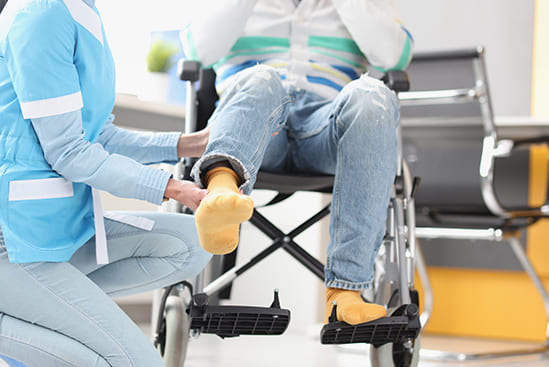


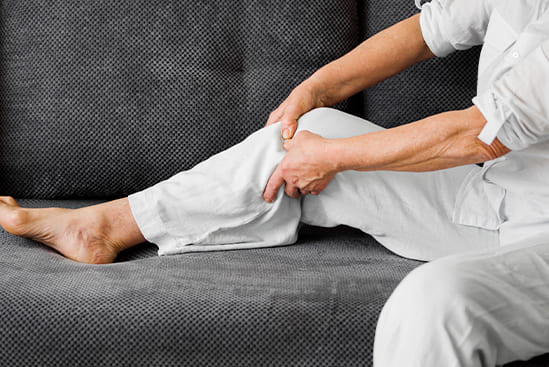
Joint degeneration and inflammation happens as the human body grows older, but that does not mean our way of life degenerates as well. Relief your joint pains with a joint effort together with your physiotherapist, who will provide pain-relief treatments and prescribe exercises for your wellbeing.

Common conditions in the older age population include hips & knee pain, back & neck pain, osteoarthritis, rheumatism, fear of falling and many more. Aging and degeneration of bodily function is inevitable, but here at Synapse, we will help you live the best of your life.