Synapse Physiotherapy | Physio Center | Rehab Malaysia

A sports injury clinic is designed to assess, diagnose and treat injuries related to physical activity. This includes injuries from competitive sport, gym training, running, recreational exercise and everyday movement. Whether you are a professional athlete, a weekend runner or someone who strained a muscle during a workout, knowing what to expect can make your first visit more comfortable and productive.
Many people visit a sports injury clinic because they want to recover quickly. However, the goal is not only to reduce pain. A good clinic also identifies the cause of the injury, restores movement, rebuilds strength and reduces the risk of the same injury happening again.
At Synapse Physiotherapy, patients receive structured physiotherapy care that focuses on assessment, rehabilitation and education. This helps active individuals return to sport, exercise and daily activity safely.
Sports injuries can happen suddenly or develop gradually over time. A sudden ankle twist, knee pivot, shoulder strain or muscle pull may cause immediate pain. Other injuries, such as tendon pain, shin splints or knee discomfort, may build up slowly due to repeated stress.
A sports injury clinic can help with:
According to the NHS guide to sprains and strains, physiotherapy may help when a sprain or strain is taking longer than usual to get better. This is one reason early assessment can be useful when pain does not settle as expected.
Your first visit will usually begin with a detailed discussion about your injury. The physiotherapist will ask how the injury happened, when the pain started and what movements make it worse or better.
You may also be asked about:
This step is important because many sports injuries are not caused by one single incident. For example, a runner may develop knee pain due to training overload, weak hip muscles or poor recovery rather than a sudden injury.
Your goals also matter. A competitive athlete may need a return-to-sport plan, while a casual gym user may simply want to move without pain. A sports injury clinic uses this information to build a plan that matches your lifestyle.
After the consultation, the physiotherapist will assess the injured area and how your body moves. This may include checking swelling, tenderness, bruising, stiffness, weakness or joint instability.
You may be asked to perform simple movements such as:
Movement assessment is a key part of a sports injury clinic visit because pain is often connected to how the body moves as a whole. For example, weak hip control may contribute to knee pain. Poor ankle stability may increase the risk of repeated sprains. Upper back stiffness may affect shoulder movement.
At Synapse Physiotherapy, sports physiotherapy can help patients understand these movement patterns and develop a recovery plan that supports safer activity.
After the physical assessment, the physiotherapist will explain the likely cause of your symptoms. In some cases, the diagnosis is straightforward, such as a mild ankle sprain, muscle strain or tendon irritation. In more complex cases, further investigation may be recommended.
Imaging may include:
Not every patient needs imaging. Many sports injuries can be diagnosed clinically through history taking, physical examination and movement testing. However, if symptoms are severe, unusual or not improving as expected, imaging may help guide the next step.
A sports injury clinic helps decide whether conservative care is suitable or whether medical referral is needed.
Once the assessment is complete, your physiotherapist will explain the recommended treatment plan. In many cases, treatment starts with conservative care, meaning physiotherapy and rehabilitation are usually tried before surgery unless the injury clearly needs urgent medical management.
Treatment may include:
Hands-on techniques may help reduce stiffness, improve joint movement and relieve muscle tension. Manual therapy can be useful in the early stages of care when movement is limited by pain or tightness.
You may receive specific exercises to improve strength, flexibility, balance and movement control. These exercises are usually progressed over time as your symptoms improve.
Treatment may include advice on ice, heat, activity modification, compression, taping or gentle movement. The aim is to control symptoms while encouraging safe recovery.
Load management means adjusting your activity level so the injured area can recover without losing too much fitness or strength. This is especially important for athletes and active individuals who want to continue training safely.
For patients dealing with persistent discomfort, pain management physiotherapy may support symptom control while rehabilitation continues.
Rehabilitation is often the core of sports injury recovery. A sports injury clinic visit should not end with general advice only. You should receive a clear plan that explains what to do next and how your recovery will progress.
A rehabilitation plan may include:
The plan should match your injury, pain level, sport, fitness and goals. A football player recovering from a knee injury will need a different plan from a runner with shin pain or a gym user with shoulder strain.
For later-stage recovery, strength and conditioning may help rebuild performance, stability and confidence before returning to full activity.
Education is a key part of a sports injury clinic visit. Understanding what caused your injury can help you avoid repeating it. This is especially important for overuse injuries, recurring pain and training-related problems.
Your physiotherapist may advise you on:
Education helps patients take an active role in recovery. Instead of relying only on treatment sessions, you learn how to manage your body between appointments and reduce the risk of future injuries.
Coming prepared can make your first visit more effective. A sports injury clinic may need details about your symptoms, training routine and previous medical history.
You may want to bring:
Comfortable clothing is especially helpful because the physiotherapist may need to observe movement around the injured area.
A first appointment usually takes longer than a follow-up session because it includes consultation, assessment, explanation and treatment planning. Many first visits may take around 30 to 60 minutes, depending on the complexity of the case.
Follow-up visits often focus on monitoring progress, progressing exercises and adjusting treatment. Recovery is rarely the same for everyone, so reassessment helps ensure your plan remains suitable.
A sports injury clinic may also advise you when to reduce activity, when to increase intensity and when to return to sport-specific movement.
You should consider booking an appointment if pain does not improve, affects movement or keeps returning. Early treatment may help prevent small problems from becoming long-term injuries.
Visit a sports injury clinic if you experience:
Early assessment does not mean the injury is serious. It means you are taking the right step to understand the problem and recover safely.
No. A sports injury clinic can help anyone with movement-related pain, including gym users, runners, weekend athletes and active individuals.
Not always. Many injuries can be assessed clinically. Imaging may be recommended if symptoms suggest a fracture, serious ligament injury or unclear diagnosis.
Yes. Physiotherapy can identify weakness, poor movement habits, balance issues and training errors that may increase injury risk.
Wear comfortable clothing that allows movement. Bring sports shoes if your injury is related to running, training or sport-specific activity.
Return to sport depends on the injury, symptoms, strength, mobility and confidence. Your physiotherapist will guide a gradual return based on progress rather than a fixed timeline.
A visit to a sports injury clinic is not only about treating pain. It is about understanding what caused the injury, restoring movement, rebuilding strength and creating a safe pathway back to activity. From consultation and physical assessment to diagnosis, rehabilitation and education, each step supports better recovery.
Whether your injury is mild or more complex, early professional care can help reduce the risk of recurring pain and delayed healing. A structured approach also gives you confidence to return to sport, exercise or daily movement safely.
For personalised support, visit Synapse Physiotherapy, learn more about sports physiotherapy, or contact Synapse Physiotherapy to book an appointment.
Tags :



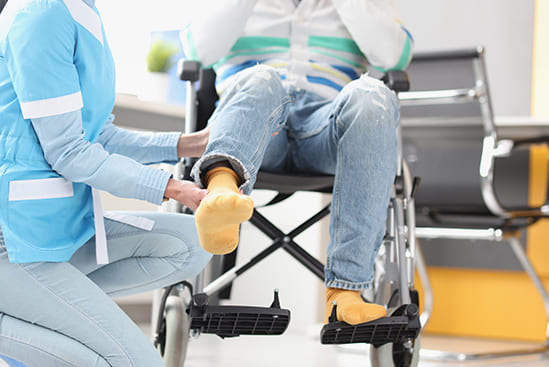



Joint degeneration and inflammation happens as the human body grows older, but that does not mean our way of life degenerates as well. Relief your joint pains with a joint effort together with your physiotherapist, who will provide pain-relief treatments and prescribe exercises for your wellbeing.

Common conditions in the older age population include hips & knee pain, back & neck pain, osteoarthritis, rheumatism, fear of falling and many more. Aging and degeneration of bodily function is inevitable, but here at Synapse, we will help you live the best of your life.