Synapse Physiotherapy | Physio Center | Rehab Malaysia

Sports injuries can happen suddenly during training, competition or daily physical activity. They can also develop gradually from repetitive stress, poor technique, overtraining or inadequate recovery. While some people ignore early pain and hope it will disappear, delaying treatment can sometimes make the condition worse and increase the risk of long-term damage.
A sports injury clinic provides assessment, treatment and rehabilitation for injuries affecting muscles, ligaments, tendons, joints and bones. The goal is not only to reduce pain, but also to restore movement, rebuild strength and prevent future problems. At Synapse Physiotherapy, patients can receive professional support for sports-related injuries through structured physiotherapy and recovery planning.
Seeking help early can make a major difference. A sports injury clinic can identify the cause of pain before it becomes severe, guide safe rehabilitation and help active individuals recover without unnecessary invasive procedures.
Sports injuries may affect anyone who exercises, trains, plays sport or performs repetitive physical activity. They are not limited to professional athletes. Gym users, weekend runners, football players, badminton players and active office workers can all experience sports-related pain.
Common sports injuries include:
According to the NHS guide to sprains and strains, sprains and strains are common injuries that affect muscles and ligaments. Some mild injuries may improve with basic care, but symptoms that are severe, worsening or not improving should be assessed properly.
This is where a sports injury clinic becomes important. Early assessment helps determine whether the injury is mild, moderate or serious, and whether rehabilitation can begin safely.
Many people continue exercising despite pain because they think it is normal soreness. However, pain that keeps returning, worsens with activity or affects movement should not be ignored. A small problem can become more complicated if the body continues to compensate around the injury.
Delaying treatment may lead to:
For example, a mild ankle sprain may lead to ongoing instability if the joint is not rehabilitated properly. A shoulder irritation may become persistent if poor movement mechanics continue. A tendon problem may worsen if training load is not managed early.
A sports injury clinic helps reduce these risks by providing timely assessment, clear guidance and progressive rehabilitation.
Accurate assessment is one of the most important reasons to seek early care. Not every injury that feels painful requires surgery. At the same time, not every injury should be ignored or treated with rest alone.
A sports injury clinic may assess:
This helps the physiotherapist understand the likely cause of the pain and whether further medical review or imaging may be needed.
At Synapse Physiotherapy, sports physiotherapy can support patients through assessment, rehabilitation and return-to-activity planning. This structured approach helps identify whether the injury can be managed conservatively and what steps are needed for safe recovery.
Physiotherapy is often one of the first treatment options for sports injuries because it can reduce pain, restore movement and rebuild function without surgery. Early treatment is especially helpful when symptoms are linked to sprains, strains, muscle weakness, tendon irritation or movement imbalance.
Physiotherapy may include:
The aim is to help the injured area heal while also improving the surrounding muscles and joints. This reduces unnecessary stress on the injured tissue and supports better long-term recovery.
For patients dealing with persistent pain, pain management physiotherapy may also help manage symptoms while the body rebuilds strength and function.
Poor biomechanics are a common reason sports injuries happen or keep returning. Weak muscles, limited mobility, poor landing technique or uneven strength can overload certain tissues repeatedly.
A sports injury clinic may assess:
Correcting these issues can reduce stress on the injured area. For example, knee pain may be linked to poor hip control or weak glute muscles. Shoulder pain may be affected by upper back stiffness or weak shoulder stabilisers. An ankle injury may require balance and proprioception training to prevent repeated sprains.
This is why early rehabilitation can help prevent injuries from progressing to a stage where surgery becomes more likely.
Surgery may be necessary in some cases, especially when there is severe structural damage, complete rupture, major instability or symptoms that do not improve with conservative care. However, many sports injuries can be managed without surgery when treated early and properly.
Injuries that may often respond to conservative management include:
A sports injury clinic helps by reducing inflammation, restoring mobility, strengthening weak areas and correcting movement patterns. When the body is guided through rehabilitation properly, it may recover naturally without needing invasive treatment.
The earlier this process begins, the better the chance of preventing chronic compensation, weakness and repeated flare-ups.
One of the biggest benefits of early treatment is a safer return to activity. Returning too soon can increase the risk of re-injury, while resting too long without rehabilitation can lead to weakness and stiffness.
A sports injury clinic usually progresses recovery in stages. These may include:
For athletes and active individuals, strength and conditioning can support the later stages of rehabilitation by helping rebuild power, endurance and movement control.
The goal is not only to return quickly. It is to return safely, confidently and with a lower risk of future injury.
Untreated injuries can lead to long-term movement problems. The body may compensate by shifting load to another area, which can create new pain.
For example:
Early care at a sports injury clinic helps break this cycle. It gives patients a clear plan to recover, rebuild and prevent future issues. Education is also important because patients learn how to warm up, manage training load, modify activities and recognise early warning signs.
You should consider visiting a sports injury clinic if your symptoms do not improve quickly or affect your ability to move normally.
Seek assessment if you experience:
Early assessment does not mean the injury is serious. It means you are taking steps to manage it before it becomes harder to treat.
In many cases, yes. Early treatment can reduce inflammation, restore movement, strengthen weak areas and correct movement problems before the injury becomes more severe. However, some serious injuries may still require medical or surgical care.
A physiotherapist will ask how the injury happened, assess pain, movement, strength and function, then recommend a personalised treatment plan based on your condition and goals.
You may need to modify activity temporarily, but complete rest is not always best. A physiotherapist can guide safe movement and gradual return to exercise.
Recovery depends on the injury type, severity, age, activity level and consistency with rehabilitation. Mild injuries may improve faster, while more complex injuries need a longer plan.
Yes. A sports injury clinic can help anyone with movement-related pain, including gym users, runners, weekend athletes and active individuals who develop injuries from daily activity.
Ignoring pain can turn a manageable sports injury into a long-term problem. Early treatment at a sports injury clinic helps identify the cause, reduce symptoms, rebuild strength and guide safe return to activity. It may also lower the risk of needing surgery by addressing the injury before it worsens.
Through physiotherapy, movement correction, strengthening and education, patients can recover more safely and reduce the chance of repeated injuries. Whether you are an athlete, fitness enthusiast or active individual, early care is one of the best investments in long-term mobility and performance.
For personalised support, visit Synapse Physiotherapy, explore sports physiotherapy, or contact Synapse Physiotherapy to book an appointment.
Tags :



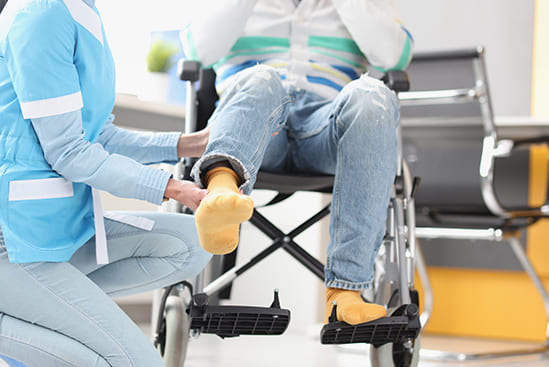



Joint degeneration and inflammation happens as the human body grows older, but that does not mean our way of life degenerates as well. Relief your joint pains with a joint effort together with your physiotherapist, who will provide pain-relief treatments and prescribe exercises for your wellbeing.

Common conditions in the older age population include hips & knee pain, back & neck pain, osteoarthritis, rheumatism, fear of falling and many more. Aging and degeneration of bodily function is inevitable, but here at Synapse, we will help you live the best of your life.