Synapse Physiotherapy | Physio Center | Rehab Malaysia
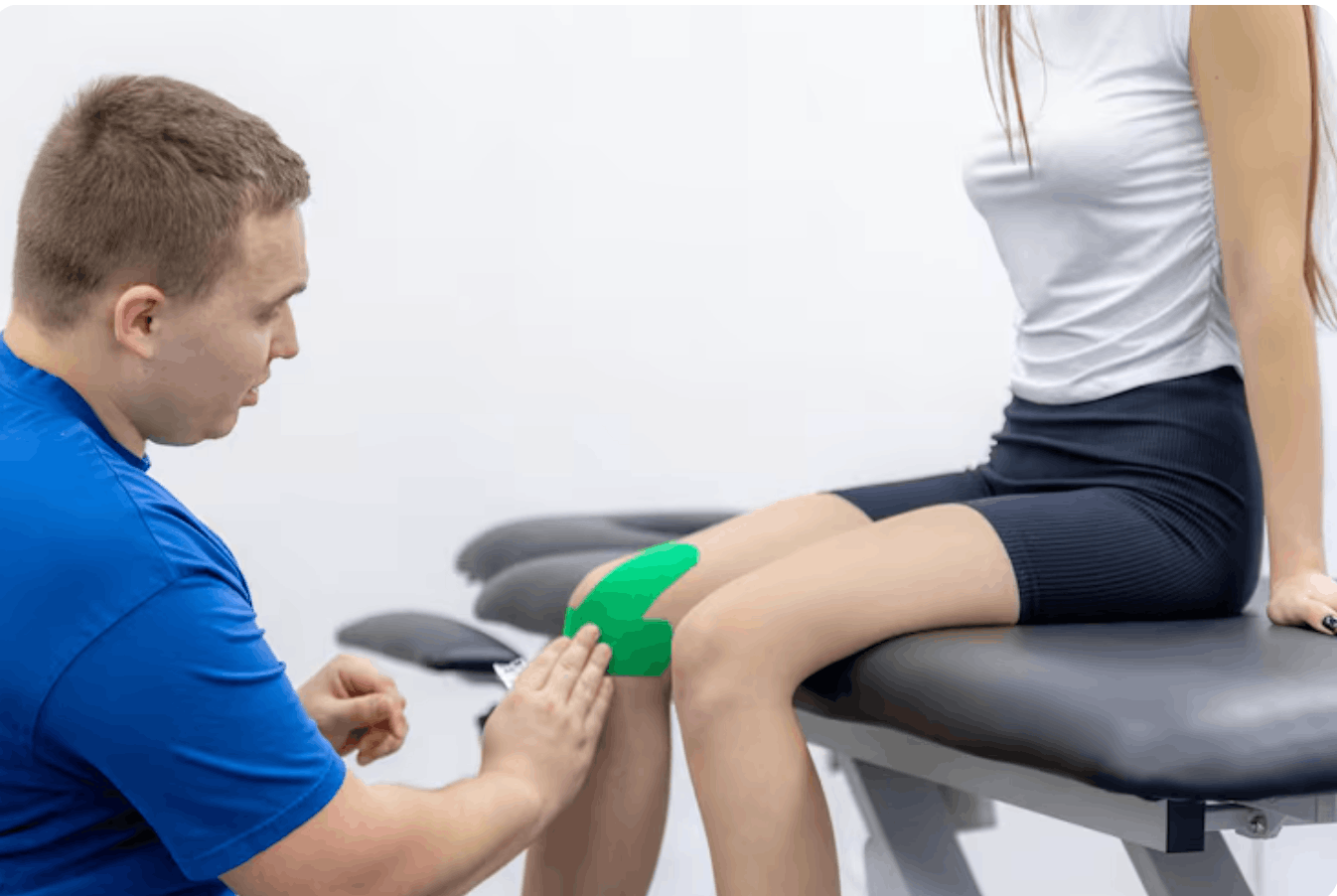
Sports injuries can happen suddenly. A quick change of direction during football, an awkward landing after jumping, a sharp twist of the ankle, or a collision during rugby can cause immediate pain, swelling and loss of movement. When this happens, timely assessment is important because the first stage of care can affect how well the injury heals.
A sports injury clinic provides focused assessment, treatment and rehabilitation for athletes and active individuals. Unlike general advice, professional care looks at the type of injury, how it happened, how severe it is and what the person needs to return to safely. At Synapse Physiotherapy, sports-related rehabilitation is guided by qualified physiotherapists who help patients manage pain, restore movement and rebuild function.
For anyone dealing with sudden sports trauma, a sports injury clinic can provide structured care from the early injury stage to return-to-sport planning. This helps reduce the risk of delayed recovery, repeated injury and poor movement habits.
Acute sports trauma refers to an injury that happens suddenly during physical activity. It is usually linked to a specific event, such as falling, twisting, sprinting, landing badly or receiving a direct impact.
Common acute sports injuries include:
Symptoms may include sudden pain, swelling, bruising, weakness, restricted movement or inability to continue playing. Some injuries may feel mild at first but become more painful after a few hours. This is why a sports injury clinic plays an important role in checking the injury properly before the athlete returns to activity.
The first step in managing acute sports trauma is assessment. When a patient visits a sports injury clinic, the physiotherapist or clinician will ask how the injury happened, where the pain is, whether swelling appeared quickly and whether the person could continue playing after the incident.
The assessment may include:
For example, if someone injures their knee during a sudden pivot, the clinician may assess ligament stability, swelling and ability to bear weight. If a serious injury is suspected, referral for imaging or medical review may be recommended.
This early stage is important because not every sports injury should be treated in the same way. A mild ankle sprain may need guided rehabilitation, while a suspected fracture or dislocation needs urgent medical attention.
A sports injury clinic does not only focus on the painful area. It also examines how the injury affects movement, strength, balance and function. This helps create a clear diagnosis and treatment plan.
Depending on the injury, further investigations may be recommended. These may include X-rays for suspected fractures, ultrasound for soft tissue injuries, or MRI scans for ligament, cartilage or deeper joint concerns. Imaging is not always needed, but it can be helpful when symptoms are severe, unclear or not improving as expected.
Accurate diagnosis helps prevent two common problems. The first is returning to sport too early. The second is resting too long without proper rehabilitation. Both can affect recovery. A professional plan helps the patient understand what to avoid, what exercises to do and when to progress.
For patients with sports-related concerns, sports physiotherapy can support injury recovery through assessment, treatment and progressive rehabilitation.
During the early phase, the main goal is to control pain and swelling while protecting the injured area. Excessive swelling can restrict movement and make rehabilitation harder. However, complete rest for too long can also lead to stiffness and weakness.
A sports injury clinic may recommend early management strategies such as protection, rest, ice, compression and elevation, depending on the injury. The NHS provides guidance on sprains and strains, including resting the injured area, applying ice safely, using compression and elevating the limb to help manage swelling.
Early care may include:
Pain management should be balanced. The aim is not to completely ignore pain, but to use symptoms as a guide while allowing the body to heal.
Modern rehabilitation usually encourages controlled movement as soon as it is safe. This does not mean forcing painful activity. It means using appropriate exercises based on the injury and healing stage.
Early movement can help:
For example, after an ankle sprain, early exercises may include gentle ankle movements before progressing to balance work and strengthening. For a muscle strain, the patient may begin with light activation exercises before returning to running or sport-specific drills.
At Synapse Physiotherapy, rehabilitation can also be supported by services such as strength and conditioning, especially when the goal is to rebuild performance and reduce the chance of re-injury.
Once pain and swelling improve, rehabilitation becomes more active. This stage focuses on restoring strength, flexibility, control and sport-specific function. A sports injury clinic will usually progress exercises based on measurable improvement rather than a fixed timeline.
Targeted strengthening helps rebuild muscles around the injured area. This provides better support for the joint and prepares the body for daily movement or sporting demands.
After injuries such as ankle sprains or knee trauma, the body’s ability to sense position and movement may be reduced. Balance training helps improve control and lowers the risk of repeated injury.
Some injuries create stiffness or restricted movement. Mobility work and stretching may be included when suitable to restore comfortable movement.
Functional exercises are designed to match the demands of the person’s sport. This may include running drills, jumping, landing control, agility work or direction changes.
This stage is especially important because pain relief alone does not mean the athlete is ready to return to sport.
Recovery from acute sports trauma should be monitored carefully. A sports injury clinic may reassess pain, swelling, range of motion, strength, balance and confidence during movement. If progress slows down, the plan can be adjusted.
Monitoring helps answer important questions such as:
This step helps prevent the athlete from moving too quickly or too slowly through the rehabilitation process.
Returning to sport is one of the most important decisions after an acute injury. Going back too soon can increase the risk of another injury, while waiting too long without proper training can reduce confidence and performance.
A sports injury clinic may assess readiness through strength tests, movement drills, jumping tasks, agility work and sport-specific activities. The patient should be able to move confidently, control the injured area and tolerate the demands of the sport.
Return to sport should be gradual. For example, a football player may begin with light jogging, then progress to sprinting, cutting, ball work, non-contact training and finally full training or competition.
You should visit a sports injury clinic if pain, swelling, bruising, weakness or limited movement appears after sport. You should also seek care if you cannot bear weight, cannot move the joint normally or symptoms do not improve after a few days.
Yes. Physiotherapy can help reduce pain, restore movement, rebuild strength and guide safe return to activity. The treatment plan depends on the type and severity of the injury.
No. Not all injuries need imaging. A physiotherapist may recommend X-rays, ultrasound or MRI only when symptoms suggest a more serious injury or when recovery is not progressing as expected.
Recovery depends on the injury type, severity, sport, fitness level and consistency with rehabilitation. Mild sprains may improve faster, while ligament injuries, muscle tears or post-surgical cases may take longer.
Yes. A sports injury clinic can identify movement problems, muscle weakness, poor balance and training habits that may increase injury risk. Prevention exercises and conditioning plans can support safer performance.
A sports injury clinic plays an important role in managing acute sports trauma, from the first assessment to full rehabilitation. Sudden injuries should not be ignored, especially when there is swelling, weakness, bruising, severe pain or difficulty moving. Early professional care helps identify the injury, manage symptoms and guide recovery safely.
Through proper assessment, pain control, progressive rehabilitation and return-to-sport planning, athletes and active individuals can recover with more confidence. The goal is not only to return quickly, but to return safely and reduce the risk of future injury.
If you are recovering from a sports injury, visit Synapse Physiotherapy for professional care, learn more about sports physiotherapy, or arrange a session that best fits your needs.
Tags :



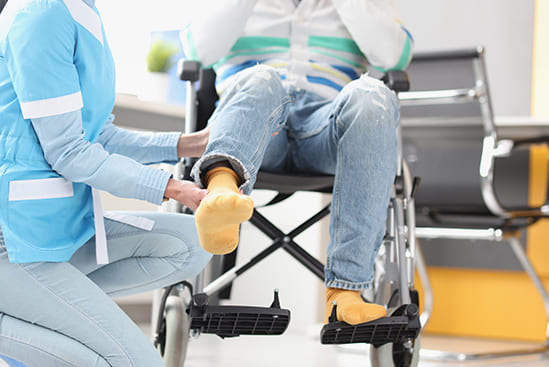


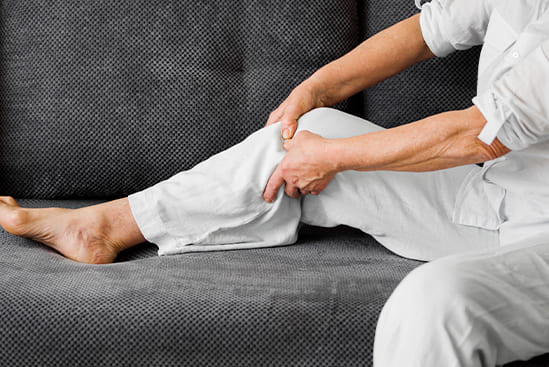
Joint degeneration and inflammation happens as the human body grows older, but that does not mean our way of life degenerates as well. Relief your joint pains with a joint effort together with your physiotherapist, who will provide pain-relief treatments and prescribe exercises for your wellbeing.

Common conditions in the older age population include hips & knee pain, back & neck pain, osteoarthritis, rheumatism, fear of falling and many more. Aging and degeneration of bodily function is inevitable, but here at Synapse, we will help you live the best of your life.