Synapse Physiotherapy | Physio Center | Rehab Malaysia
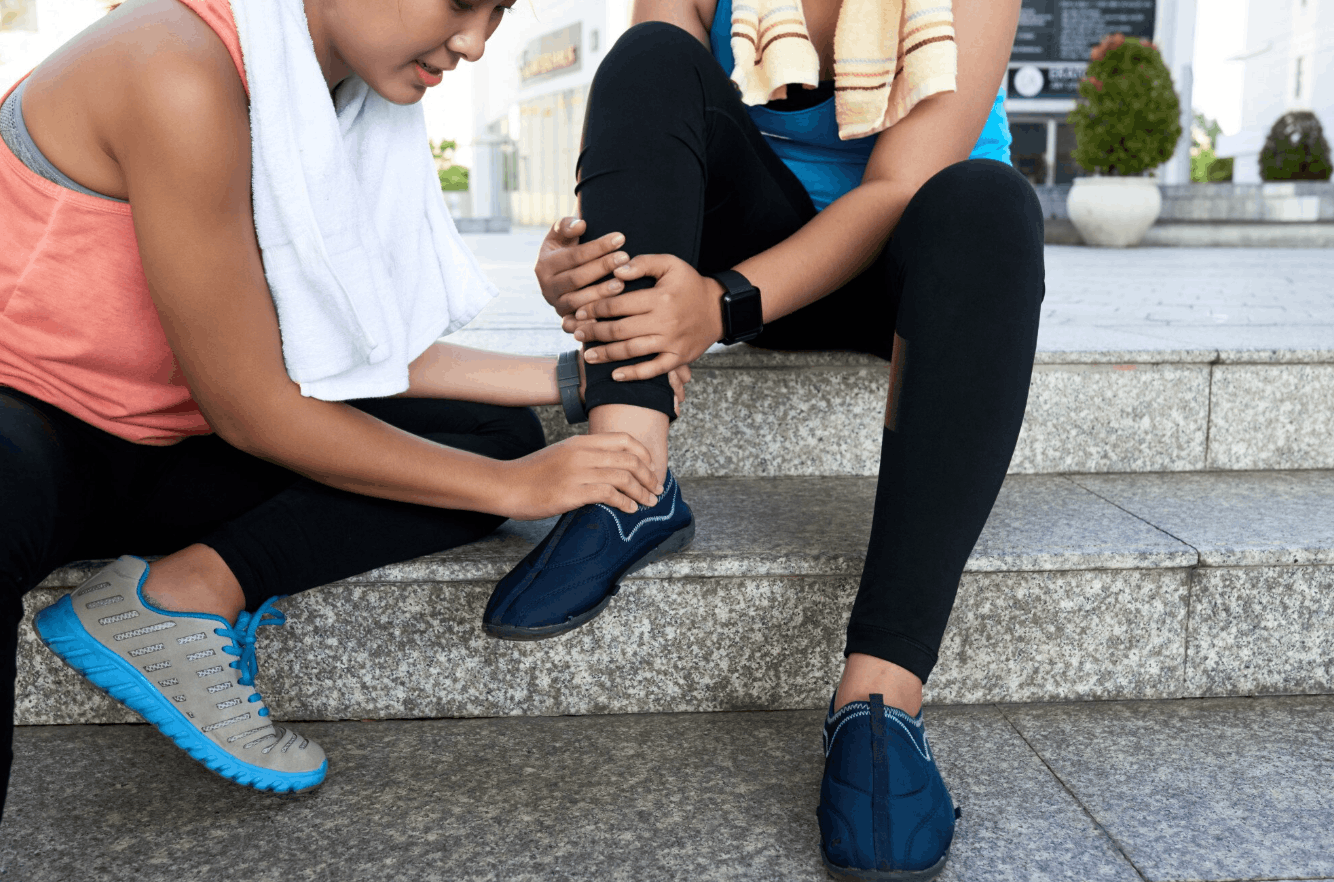
Knee pain can affect almost every part of daily life, from walking up stairs to exercising, driving, working, or playing sports. For active individuals and athletes, knee injuries involving the anterior cruciate ligament, commonly known as the ACL, can be especially challenging. These injuries often happen during sudden twisting, pivoting, jumping, landing, or quick changes of direction.
A sports injury clinic can be one of the best places to seek help for ACL injuries and knee pain because it focuses on accurate assessment, structured rehabilitation, pain management, and safe return to activity. Instead of only treating the painful area, a specialist physiotherapy approach looks at movement patterns, strength, balance, joint control, and injury risks.
At Synapse Physiotherapy, patients can receive personalised physiotherapy care designed to support recovery, improve mobility, and restore confidence in movement.
The ACL is one of the main ligaments that stabilises the knee joint. It helps control forward movement and rotation of the shin bone, especially during sports that involve cutting, pivoting, jumping, or sudden stopping. ACL injuries are common in sports such as football, basketball, badminton, rugby, netball, and futsal.
Common Signs of an ACL Injury:
Note: Knee pain isn’t always ACL-related. It may also stem from meniscus tears, ligament sprains, cartilage irritation, tendon problems, kneecap tracking issues and overuse conditions. A proper assessment is essential to identify the true cause and guide the right treatment approach.
The NHS guide to ACL injuries explains that ACL injuries often happen during sports and may cause knee instability, swelling, and difficulty continuing activity. This is why proper assessment is important before deciding on treatment.
A sports injury clinic provides targeted care for musculoskeletal and sports-related injuries. This is different from simply resting, using painkillers, or trying random exercises online. Sports injuries often involve movement faults, muscle weakness, poor landing mechanics, or training overload, so treatment needs to be specific.
A physiotherapist can assess joint stability, muscle strength, balance, flexibility, gait, running mechanics, and functional performance. This helps identify both the injury and the factors that may have contributed to it.
At Synapse Therapy, physiotherapy care may support patients with pain, movement limitations, sports injuries, orthopaedic conditions, and rehabilitation needs. A personalised approach is especially important for ACL and knee pain because every patient has different activity demands and recovery goals.
Early assessment at a sports injury clinic can significantly reduce the risk of delayed recovery. Some people continue walking or exercising after a knee injury as pain slightly improves but persistent instability, swelling, or repeated giving way may indicate a more serious issue.
What a Physiotherapy Assessment May Include:
Early Treatment Priorities:
Core ACL Rehabilitation Principles:
According to NHS Fife ACL rehabilitation guidance, key recovery principles include controlling pain and swelling, restoring range of motion, improving lower limb strength and joint stability, and rebuilding balance and coordination. Starting rehabilitation early rather than waiting for symptoms to fully settle often leads to better outcomes and a more structured path to recovery.
Physiotherapy is a major part of ACL injury management, whether the patient is treated non-surgically or undergoes ACL reconstruction. A sports injury clinic provides structured progression so patients do not return to activity too early or under-train important areas.
Some patients require ACL reconstruction surgery, but physiotherapy before surgery can still be valuable. Prehabilitation may help reduce swelling, restore knee movement, improve walking, and strengthen the quadriceps, hamstrings, glutes, and calf muscles.
Better knee condition before surgery may support smoother post-surgical rehabilitation. It can also help patients understand the exercises and movement goals they will need after the operation.
After ACL reconstruction, rehabilitation is usually progressive and long-term. Early stages may focus on pain control, swelling reduction, knee extension, safe walking, and gentle activation. Later stages include strength training, balance exercises, running progression, jumping drills, agility work, and sport-specific retraining.
A sports injury clinic helps monitor progress and reduce the risk of re-injury. Many ACL rehabilitation programmes take several months, especially for athletes returning to high-demand sport.
Not all knee pain requires surgery. Many knee conditions respond well to physiotherapy, especially when treated early. Runner’s knee, patellar tendinopathy, mild ligament sprains, muscle imbalance, and overuse pain can often improve through conservative treatment.
Treatment may include manual therapy to improve joint mobility, strengthening exercises for the knee and hip, stretching, taping, movement retraining, and load management. Education is also important because some patients need to adjust training intensity, footwear, sitting habits, or recovery routines.
A sports injury clinic can help identify whether pain is caused by poor mechanics, weakness, stiffness, overuse, or previous injury. This makes treatment more targeted and effective.
Strength is one of the most important parts of knee rehabilitation. Weak quadriceps, hamstrings, gluteal muscles, and calf muscles can reduce knee control and increase injury risk. For ACL recovery, strength symmetry between both legs is especially important before returning to sport.
A good rehabilitation plan gradually progresses from simple activation exercises to heavier strengthening, single-leg control, balance training, jumping, landing, and sport-specific drills. This helps rebuild confidence and prepares the knee for real-life demands.
At Synapse strength and conditioning services, patients can explore physiotherapy support that may help restore movement, improve function, and guide recovery through structured care.
Many knee injuries are linked to poor movement patterns. Examples include the knee collapsing inward during landing, weak hip control, poor foot positioning, limited ankle mobility, or poor trunk stability. These movement issues can increase stress on the knee during sport or daily activities.
A sports injury clinic may use movement analysis to observe how you squat, jump, land, run, climb stairs, or change direction. Treatment then includes corrective exercises and technique retraining.
This step is important because pain relief alone does not guarantee full recovery. If the underlying movement pattern remains unchanged, the injury may return.
Returning to sport too soon is one of the biggest risks after ACL injury or serious knee pain. A patient may feel better during walking but still lack the strength, power, balance, or confidence required for sport.
A sports injury clinic can guide return-to-sport testing. This may include strength comparison between legs, hop testing, balance checks, agility drills, landing mechanics, and sport-specific performance. The goal is to make sure the knee is ready for the demands of training and competition.
Return-to-sport decisions should be based on function, not just time. This helps reduce the risk of setbacks and re-injury.
Good physiotherapy does not stop when pain improves. Prevention is a major part of long-term knee health. Your physiotherapist may teach warm-up routines, strengthening exercises, flexibility work, balance drills, and load management strategies.
For athletes, prevention programmes can improve performance while reducing the risk of future injuries. For non-athletes, better strength and movement can make daily activities easier and safer.
A sports injury clinic also helps patients understand their body better, making them more aware of early warning signs before pain becomes serious.
You should seek care if knee pain lasts more than a few days, swelling appears, the knee feels unstable, walking is difficult, or pain affects sport, stairs, work, or sleep.
Some ACL injuries may be managed without surgery depending on severity, stability, activity level, and goals. A physiotherapist can guide strengthening, stability training, and functional rehabilitation.
ACL rehabilitation may take six to nine months or longer, especially after surgery or when returning to competitive sport. Recovery depends on strength, control, confidence, and functional testing.
Yes. Many knee pain conditions improve with physiotherapy, strengthening, movement correction, manual therapy, and load management. Medication may help symptoms but does not always address the root cause.
Your physiotherapist will assess your pain, injury history, knee movement, strength, stability, walking pattern, and functional ability before creating a personalised treatment plan.
ACL injuries and knee pain can be complex, but the right care can make recovery safer and more effective. A sports injury clinic provides expert assessment, personalised rehabilitation, strength training, movement correction, return-to-sport guidance, and prevention strategies.
Whether your goal is returning to competition, running comfortably, climbing stairs without pain, or moving confidently again, physiotherapy can help address both symptoms and root causes. Early care can reduce complications and support long-term knee health.
Patients looking for personalised ACL and knee pain rehabilitation can visit Synapse Physiotherapy or book an appointment now to begin your recovery plan.
Tags :

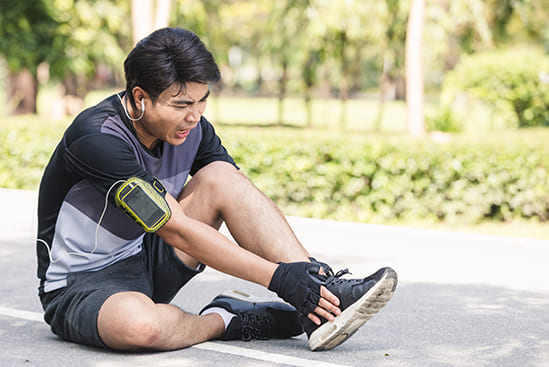

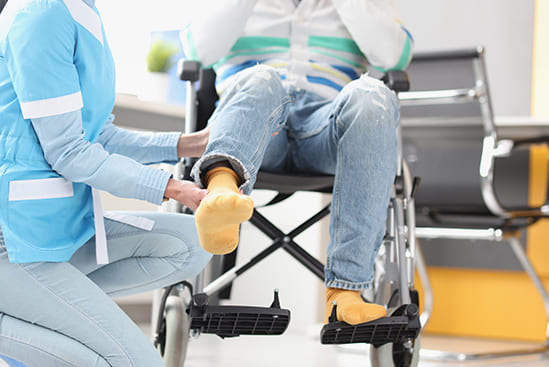
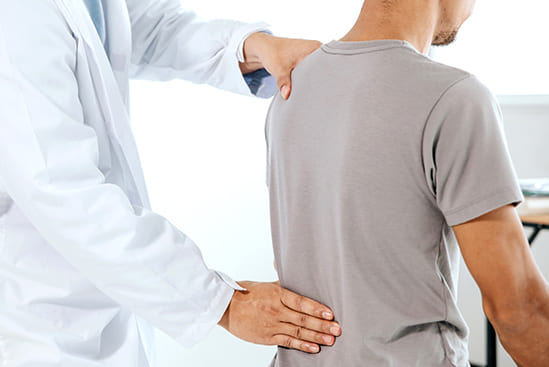
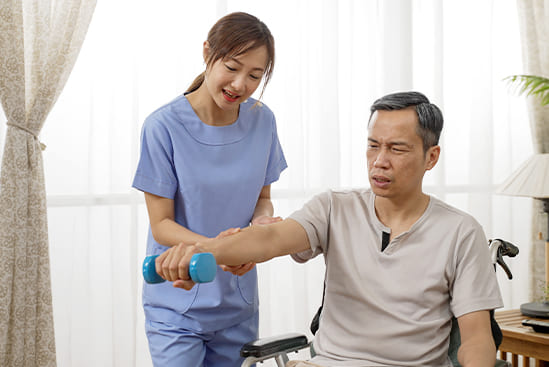
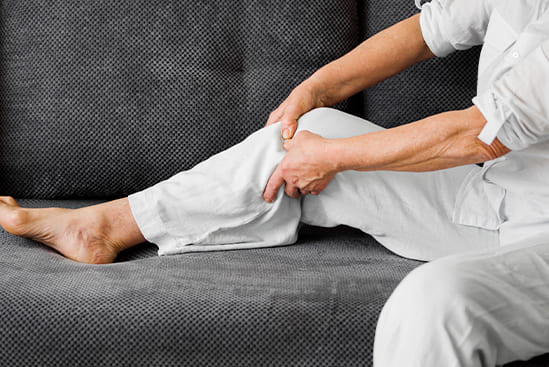
Joint degeneration and inflammation happens as the human body grows older, but that does not mean our way of life degenerates as well. Relief your joint pains with a joint effort together with your physiotherapist, who will provide pain-relief treatments and prescribe exercises for your wellbeing.
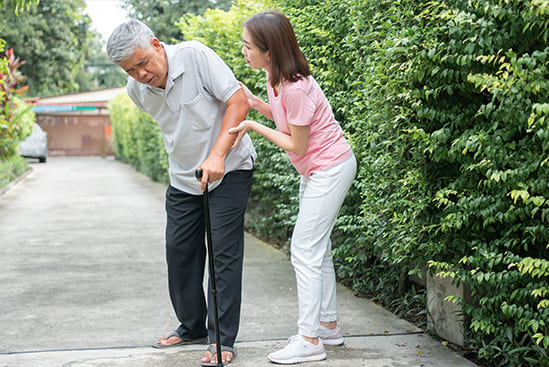
Common conditions in the older age population include hips & knee pain, back & neck pain, osteoarthritis, rheumatism, fear of falling and many more. Aging and degeneration of bodily function is inevitable, but here at Synapse, we will help you live the best of your life.