Synapse Physiotherapy | Physio Center | Rehab Malaysia
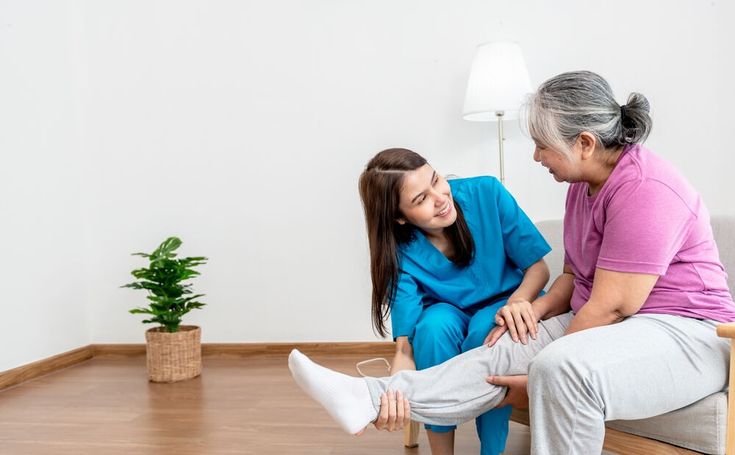
In today’s fast-paced world, finding time to visit a clinic for rehabilitation can be challenging. Home Physiotherapy offers a convenient and effective alternative, allowing you to receive professional care without the stress of travel. It is ideal for individuals with busy schedules, mobility limitations, or those who simply prefer the comfort and privacy of their own home.
At Synapse Physiotherapy, we bring expert clinical care directly to your doorstep, providing personalised recovery plans and professional guidance throughout every stage of rehabilitation in a familiar and comfortable environment. For many musculoskeletal conditions, Home Physiotherapy can deliver equally effective long-term results by improving consistency and compliance. When rehabilitation fits seamlessly into your daily routine, staying committed becomes easier, and with proper assessment and a tailored exercise programme, many common injuries can be treated just as effectively at home as in a clinic. Below, we highlight five injuries that are particularly well-suited for home-based physiotherapy.
Knee injuries are among the most frequent conditions managed through our Home Visit Service. From mild-to-moderate ligament sprains to meniscus tears and knee osteoarthritis flare-ups, the home environment provides a stable foundation for recovery. In the early stages of ACL rehabilitation, the focus is often on managing symptoms and regaining basic function, which is perfectly suited for a home setting. A structured Home Physiotherapy programme for the knee typically focuses on several key areas:
Seeing that many knee exercises rely on body weight or resistance bands, they are easy to perform in a living room. Patients often report feeling more confident practising essential movements like climbing stairs or sitting and standing when they are in their own space, which translates directly to better real-life function.
The shoulder is a complex joint that requires consistent, gentle movement to recover from injury. Conditions such as rotator cuff strains, frozen shoulder, and shoulder impingement are excellent candidates for Home Physiotherapy. These issues often require patients to perform exercises multiple times a day, a frequency that is far more achievable when you don’t have to travel to a clinic for every session.
According to the Mayo Clinic, early physiotherapy intervention for shoulder injuries can prevent permanent loss of motion and reduce the need for invasive treatments. For individuals with frozen shoulder, a relaxed environment plays a crucial role in recovery. Receiving therapy at home helps reduce “guarding,” which is he subconscious tightening of muscles caused by pain or anxiety, allowing for more effective stretching and mobility exercises. Home visits also enable physiotherapists to incorporate functional retraining such as reaching overhead, accessing cupboards, or lifting household items.
Ankle sprains are frequently underestimated, yet failing to rehabilitate them properly can lead to chronic instability and repeated injury. Home Physiotherapy is highly effective for managing mild to moderate sprains, as well as conditions like plantar fasciitis and Achilles tendinopathy that result to inflammation on the heels of our foot.
The perks of home-based rehab for the lower limb is the ability to train on the actual surfaces you navigate every day. Whether it is navigating the tiles in your kitchen, the carpet in your bedroom, or the steps leading to your garden, our professional team can supervise balance and body awareness training in the exact environment where you need it most. This real-world training reduces the risk of re-injury and builds genuine confidence in your movement.
Non-surgical lower back pain and disc-related conditions respond exceptionally well to Home Physiotherapy. One of the greatest advantages of a home visit is that a physiotherapist can assess your “real-world” ergonomics. Rather than discussing your habits in a clinic, the therapist can physically evaluate your sofa, your bed, and your desk setup. Key focus areas for back pain recovery at home include:
This tailored advice addresses the root cause of the pain rather than just the symptoms, leading to a more sustainable and long-term recovery.
For many patients, the early stages of post-surgical recovery are the most difficult due to pain and limited mobility. Home Physiotherapy is an ideal solution for those recovering from knee or hip replacements, arthroscopic surgeries, and minor fractures.
During this vulnerable time, home-based care ensures continuity of rehabilitation without the physical strain of travelling to a facility. It also limits exposure to crowded environments, which is often a concern for post-operative patients. As you regain your strength, your physiotherapist can creatively use household items or portable equipment to increase the difficulty of your exercises, ensuring you regain your independence effectively.
It is important to understand that Home Physiotherapy is not merely “exercising at home.” It is a professional, structured approach that offers one-on-one attention in a familiar environment. By removing the barriers of travel time and clinical anxiety, patients are more likely to stick to their programmes. At Synapse Physiotherapy, we believe that for many injuries, consistency matters more than intensity. When you are comfortable, you perform better, and when you perform better, you recover faster.
Yes, for many musculoskeletal injuries, research and practice show that home-based rehabilitation can be just as effective as clinic-based care provided there is proper assessment and guided progression.
Many home-based programmes utilize body weight, resistance bands, and functional movements using household items like chairs (sit-to-stands) or steps.
While many injuries are ideal, those requiring advanced equipment or close medical monitoring may not be suitable. A professional assessment is crucial to determine the right path for you.
Absolutely. Learning how to move and manage daily activities within your own home environment is often more valuable for chronic conditions like lower back pain than clinic treatment alone.
Yes, balance and proprioception training are key components of home rehab, especially for ankle and knee injuries, and can be safely supervised by a therapist.
Home Physiotherapy represents a powerful and practical evolution in modern healthcare. By bringing professional expertise into the comfort of your home, it removes the physical and logistical hurdles that often stand in the way of a full recovery. Whether you are dealing with a knee injury, shoulder condition, ankle sprain, lower back pain, or recovering from surgery, the certified physiotherapists at Synapse Physiotherapy is here to help. Our Home Visit Service ensures that your rehabilitation is perfectly adapted to your life, your home, and your specific goals. Don’t let mobility or a busy schedule hinder your progress. Book a consultation with us today and take the first step toward a stronger, more confident version of yourself.
Tags :



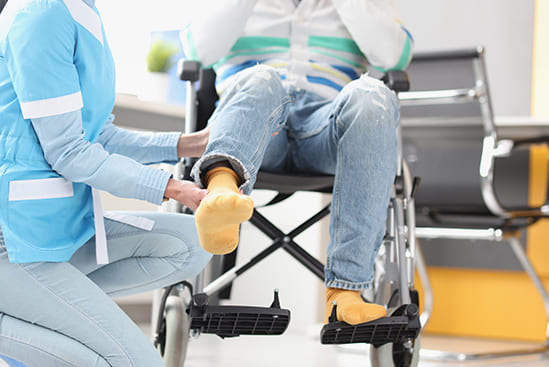


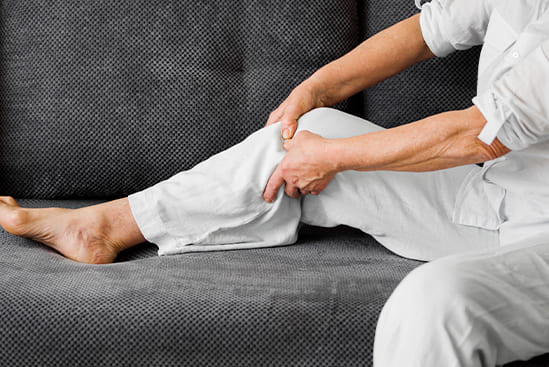
Joint degeneration and inflammation happens as the human body grows older, but that does not mean our way of life degenerates as well. Relief your joint pains with a joint effort together with your physiotherapist, who will provide pain-relief treatments and prescribe exercises for your wellbeing.

Common conditions in the older age population include hips & knee pain, back & neck pain, osteoarthritis, rheumatism, fear of falling and many more. Aging and degeneration of bodily function is inevitable, but here at Synapse, we will help you live the best of your life.